Why Sleek Side Part Hairstyles Stand the Test of Time
Few hairstyles have endured across as many decades as the sleek side part. From the sharp-dressed businessmen of the 1940s to the rebellious icons of the 1950s, from the polished executives of the 1980s to today’s modern professionals, the side part has never truly exited the style conversation. It has only evolved, adapted, and proven itself more versatile with every passing generation.
The reason is simple. A well-executed side part creates instant structure, frames the face, and communicates a level of intentional grooming that few other hairstyles can match. Whether worn with a skin fade, a classic taper, a full undercut, or simply combed clean with pomade, the sleek side part carries authority without effort. It works in a boardroom and translates effortlessly to a dinner table or a weekend gathering.
This article covers 20 of the most compelling sleek side part hairstyles available today, ranging from historically rooted classics to sharp contemporary interpretations. Each style described here is worth knowing, and most are adaptable to different hair types, face shapes, and personal aesthetics.
1. The Classic Hard Part Side Part
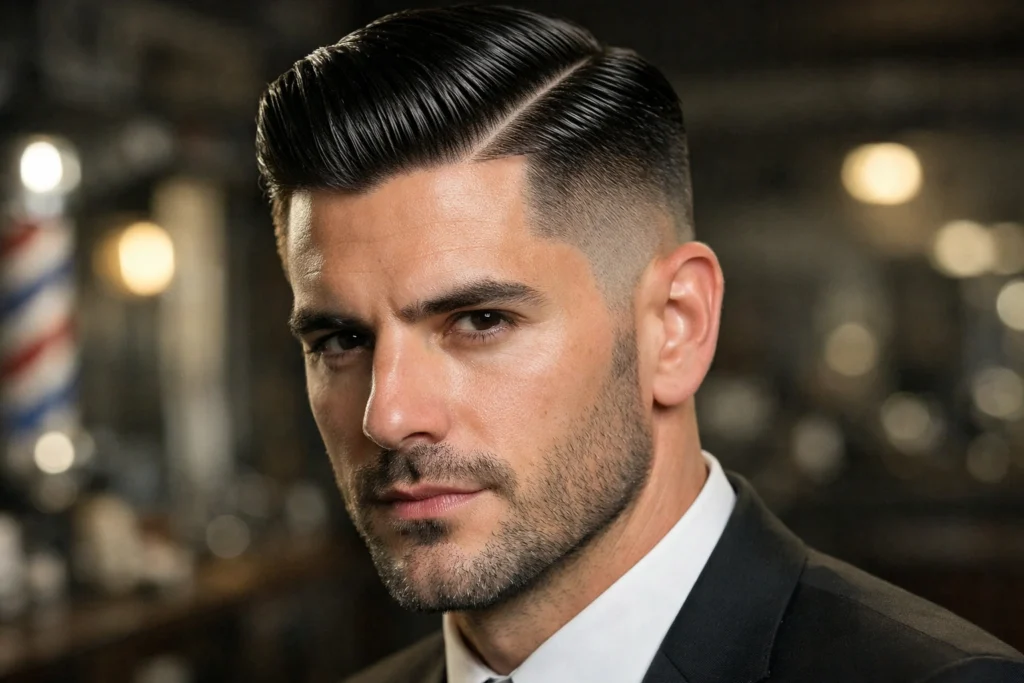
The hard part is the most intentional version of the side part, created by shaving a clean line directly into the scalp with clippers or a razor. This razor-defined line creates a bold, structured parting that eliminates any ambiguity about where the hair separates. Paired with medium-length hair on top styled with a high-shine pomade, the hard part communicates confidence and precision. It suits men with straight or thick hair best and pairs exceptionally well with a taper or skin fade on the sides.
2. The Slicked Back Side Part
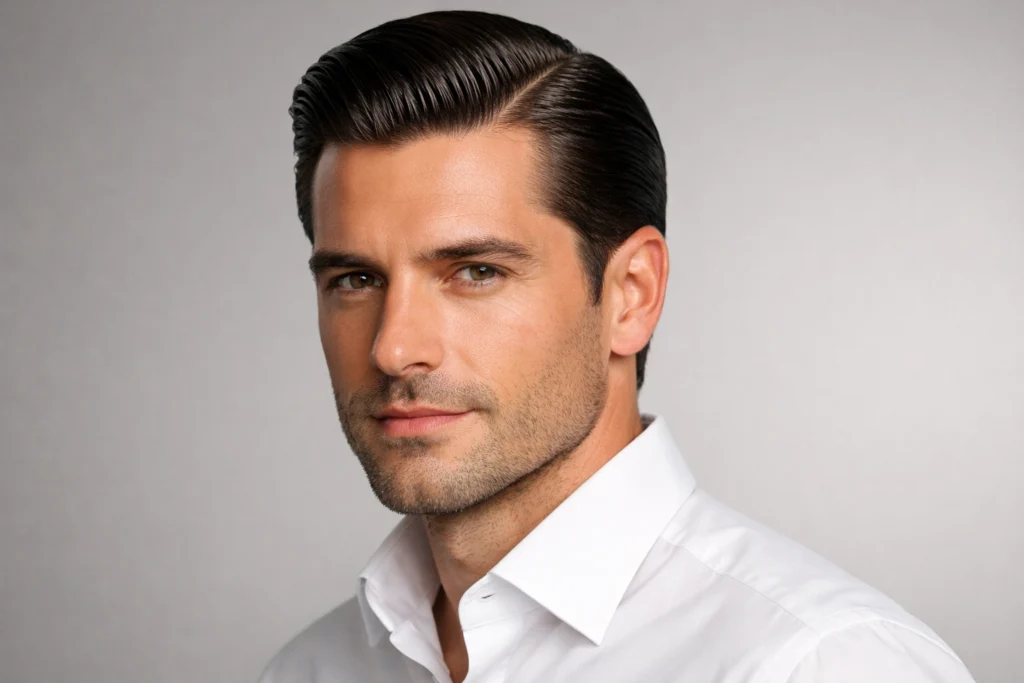
The slicked back side part blends two iconic grooming traditions into one refined look. The hair is parted cleanly to one side and then smoothed backward along the crown using a medium-hold, high-shine pomade or gel. The result is a sleek, polished silhouette that has appeared on red carpets, in boardrooms, and in classic cinema for nearly a century. It suits oval and oblong face shapes particularly well and works best with straight to lightly wavy hair. This is the quintessential old money hairstyle reinterpreted for the modern era.
3. Side Part with Low Fade
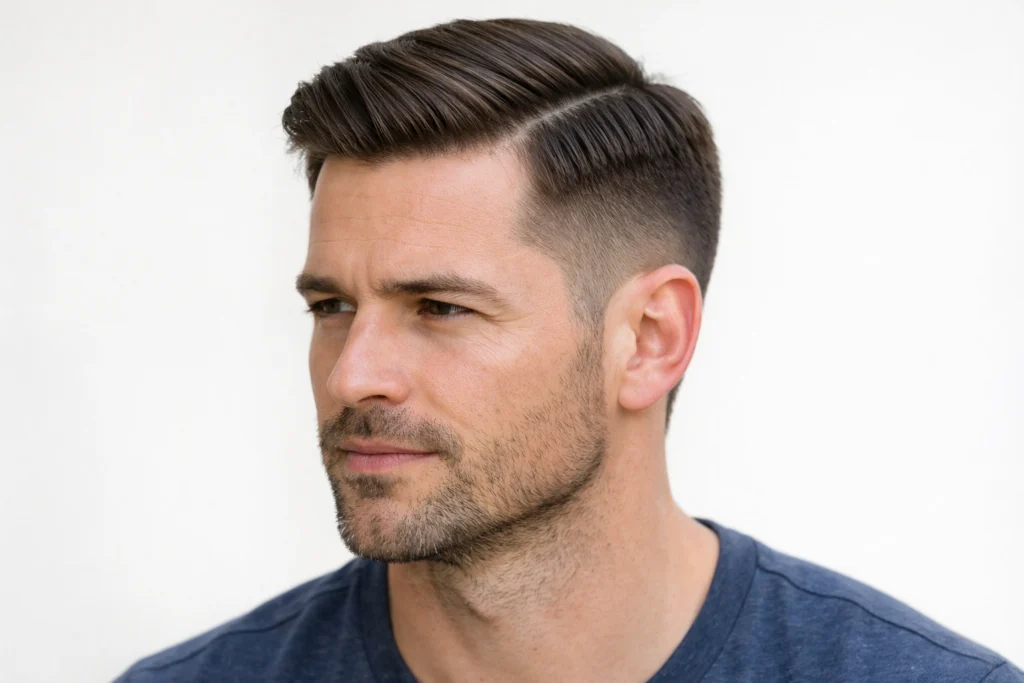
For men who want a polished look without the drama of a high or skin fade, the side part with a low fade strikes the right balance. The fade begins close to the ears and blends gradually downward, keeping the silhouette clean without creating sharp contrast. The top is styled with a subtle side part, swept neatly to one side. This style works well for casual and professional environments alike and is especially flattering on square and oval face shapes. A matte clay or lightweight pomade delivers the ideal finish.
4. Side Part with High Fade
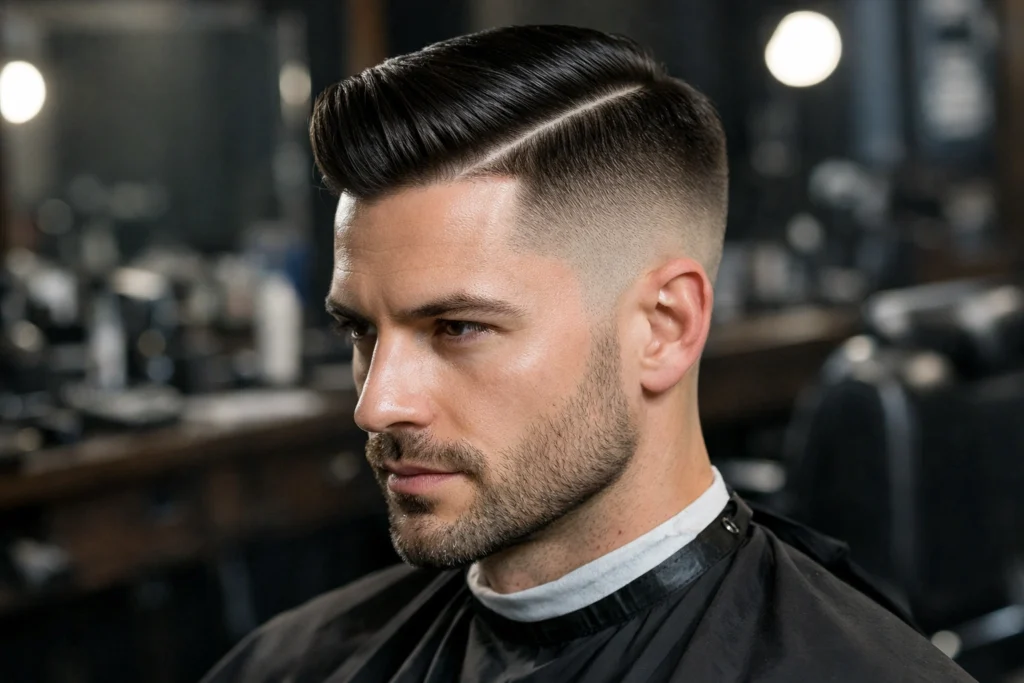
The high fade version of the sleek side part turns up the contrast dramatically. The fade starts higher on the sides, often at the temples, and creates a stark visual divide between the close-cropped sides and the longer, styled top. When the hair on top is combed cleanly to one side with a high-shine pomade, the result is a bold, graphic look that feels both modern and structured. This variation suits men with thick hair who want maximum definition and works well with both straight and wavy textures.
5. Side Part with Skin Fade
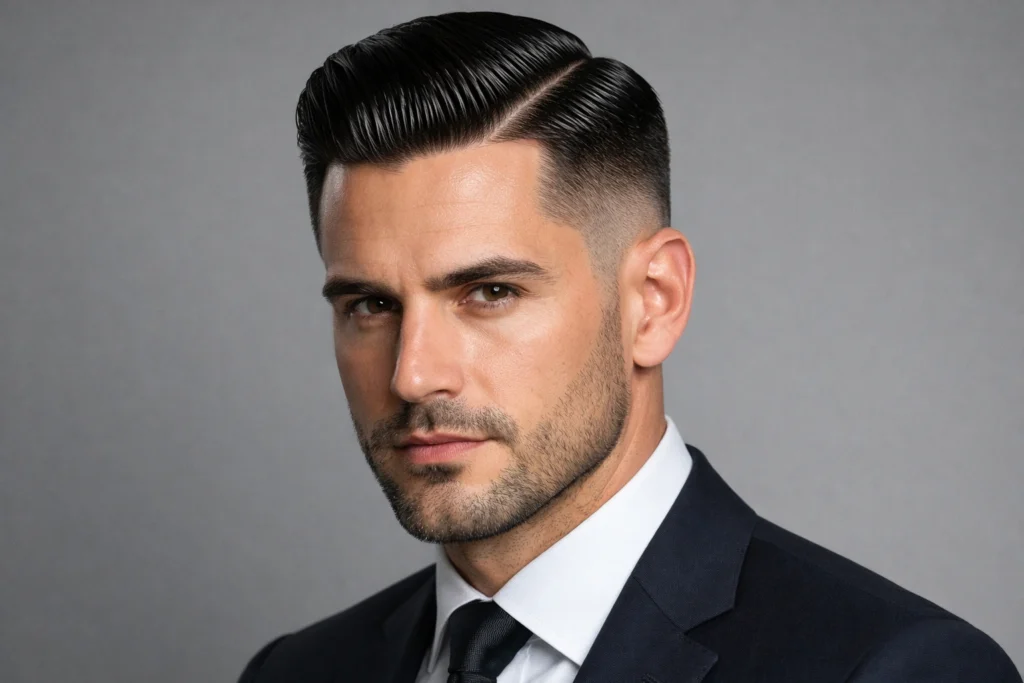
The skin fade takes the high fade a step further by tapering the sides completely down to the skin. Combined with a sleek side part on top, this creates one of the sharpest looks in contemporary men’s grooming. The contrast between bare skin and a polished, combed top is striking and visually commanding. This style is favored by men who prefer clean lines, strong structure, and a very defined aesthetic. It pairs particularly well with a well-maintained beard for added dimension.
6. Side Part with Undercut
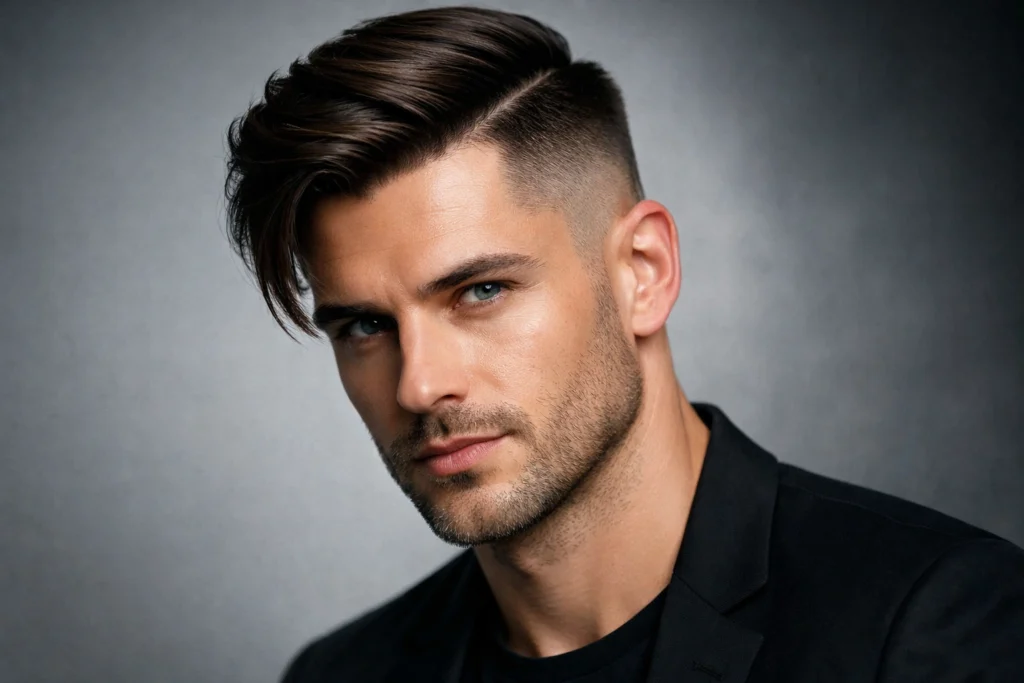
The undercut creates a dramatic disconnection between the longer hair on top and the closely cropped sides and back. When the top hair is styled into a clean, sleek side part, the undercut acts as a frame that emphasizes the length and movement of the upper section. This is a bold and fashion-forward choice that suits men who want a side part with genuine edge. The undercut side part works with straight, wavy, and even loosely curly hair, and the dramatic contrast flatters most face shapes.
7. The Pompadour Side Part
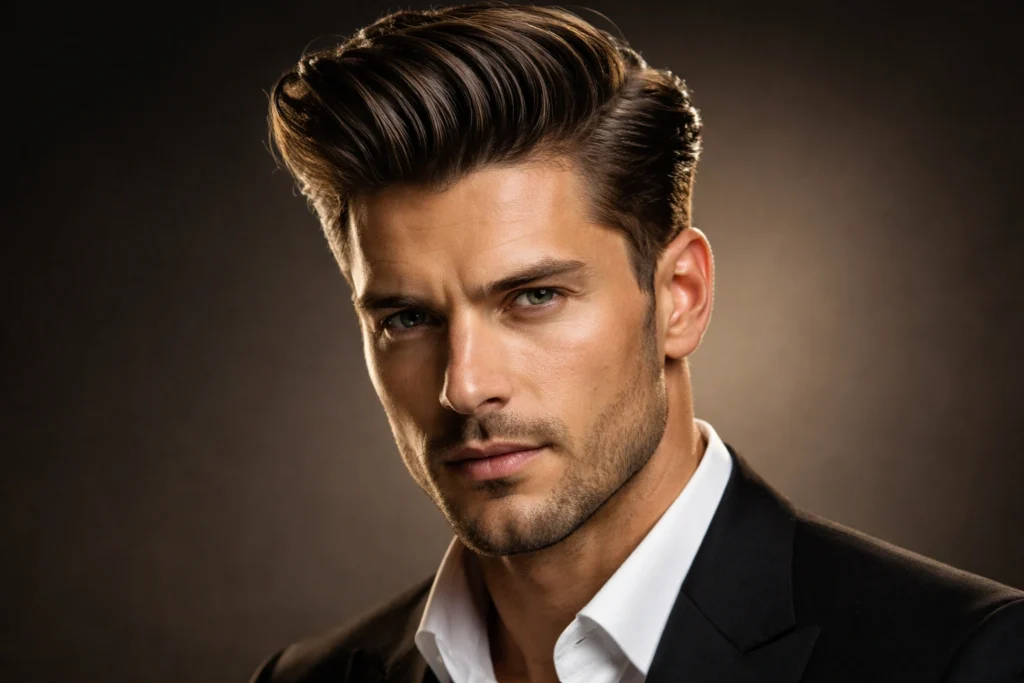
The pompadour side part combines volumetric lift at the front with a clean side part that gives the overall shape direction and structure. The hair is blow-dried upward for height before being guided toward one side, resulting in a silhouette that is both commanding and polished. A strong-hold pomade or styling cream keeps the volume in place while adding shine. This style has roots in midcentury American culture and remains one of the most impactful interpretations of the sleek side part available today.
8. The Textured Side Part
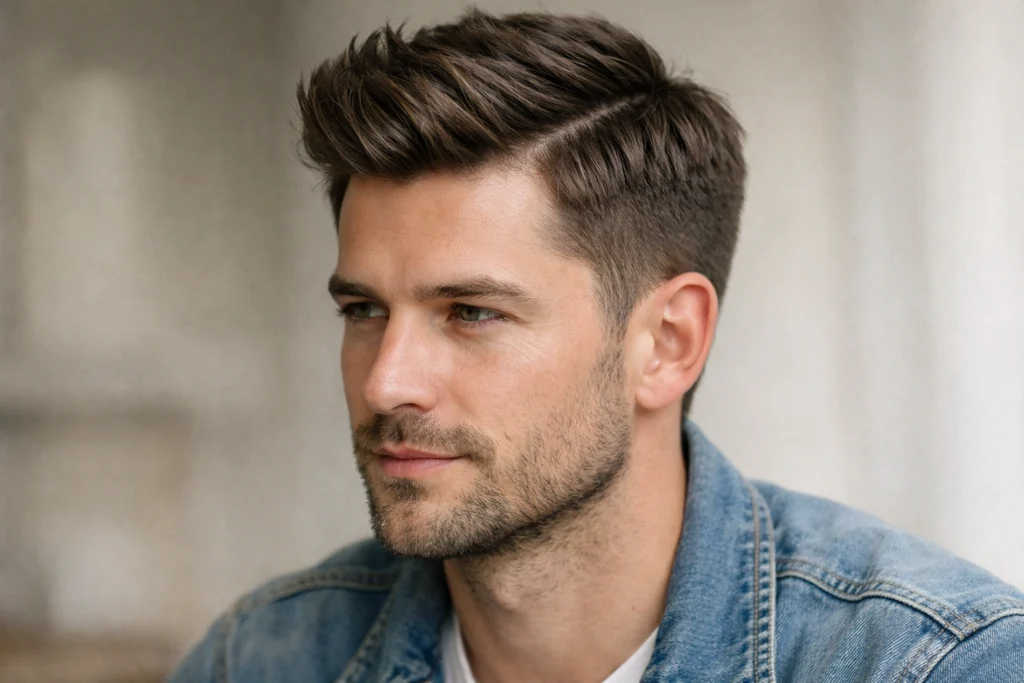
Not every sleek side part needs to be perfectly smooth. The textured side part introduces movement, depth, and dimension into the equation without sacrificing the clean parting line that defines the style. The top is styled with a matte clay or texture paste to create separation and natural-looking lift, while the parting remains crisp and defined. This variation suits men with naturally wavy or thick hair and is ideal for those who want a polished look that does not read as overly formal.
9. The Side Part with Taper Fade
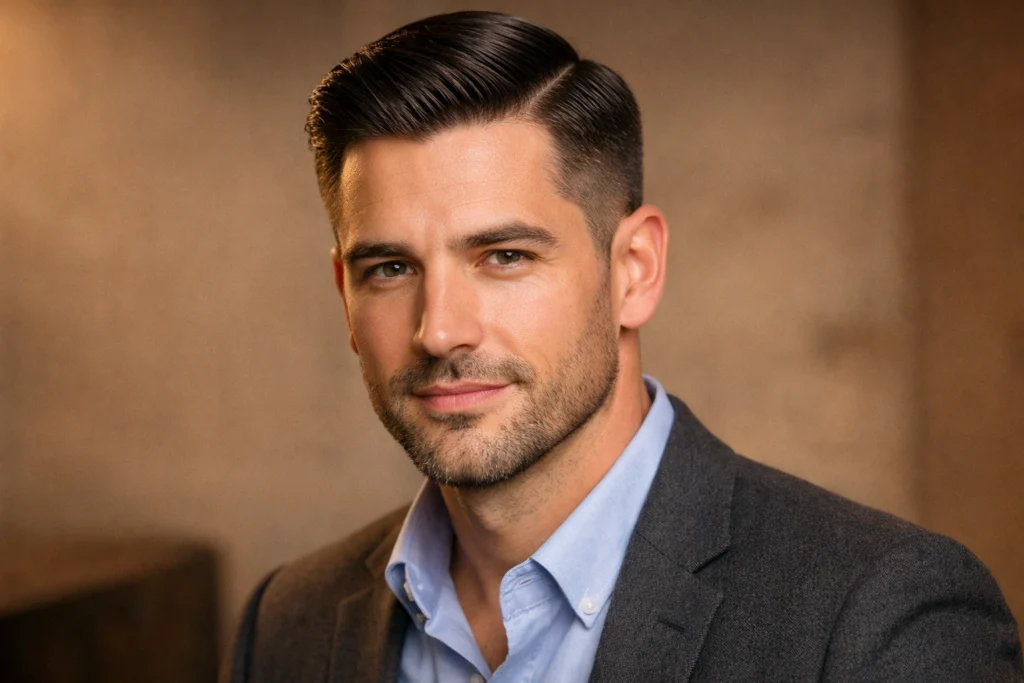
The taper fade is a subtler alternative to the standard fade, with the hair gradually decreasing in length toward the neckline rather than cutting sharply up the sides. Paired with a sleek side part on top, this creates a refined and balanced look that reads as well-groomed without being aggressive. The taper side part is one of the most universally flattering variations and works well across all hair types and most face shapes. It is a reliable choice for professional environments.
10. The Side Swept Side Part
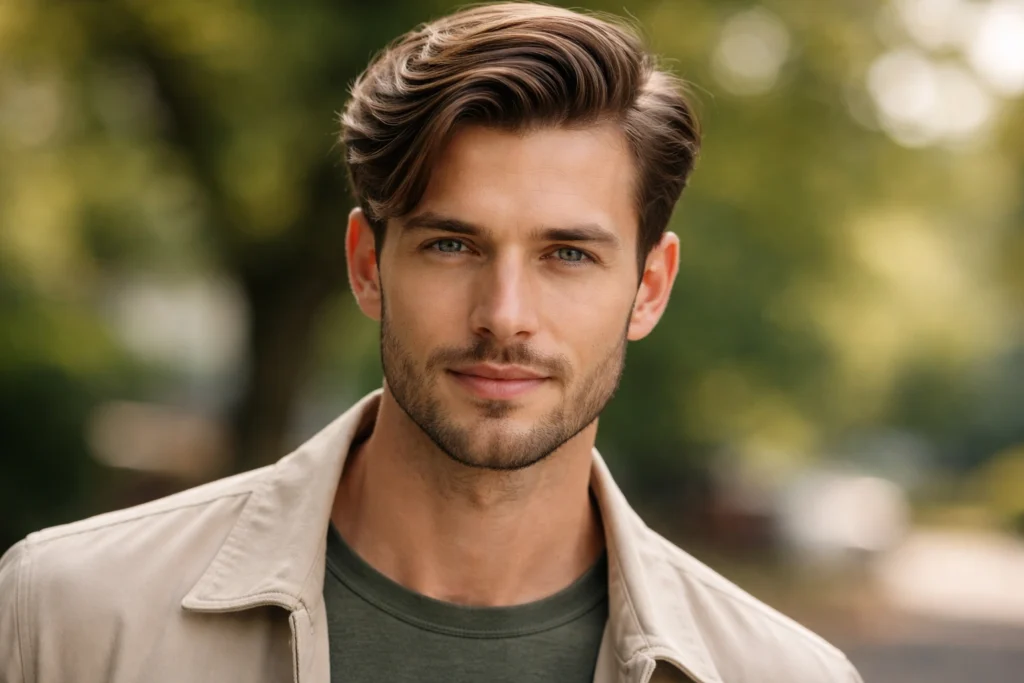
The side swept variation is defined by the direction of the hair rather than the sharpness of the part. The hair is encouraged to sweep naturally across the forehead, with the parting serving as the starting point for a wide, flowing movement. This creates a softer, more relaxed interpretation of the sleek side part that still maintains visible structure. It is a popular choice for men with longer top lengths who want a polished look with some natural movement. A light-hold pomade or styling cream achieves the ideal finish.
11. The Ivy League Side Part

Also known as the Princeton cut, the Ivy League side part is a time-honored style rooted in American collegiate tradition. It is technically a variation of the crew cut, featuring a short, clean top with enough length to style a clean side part. The hair is combed neatly to one side with a fine-tooth comb and set with a light pomade or gel. The sides are tapered short for a clean, conservative silhouette. This is one of the most practical and low-maintenance sleek side part hairstyles available, making it an excellent choice for professionals.
12. The Long Side Part
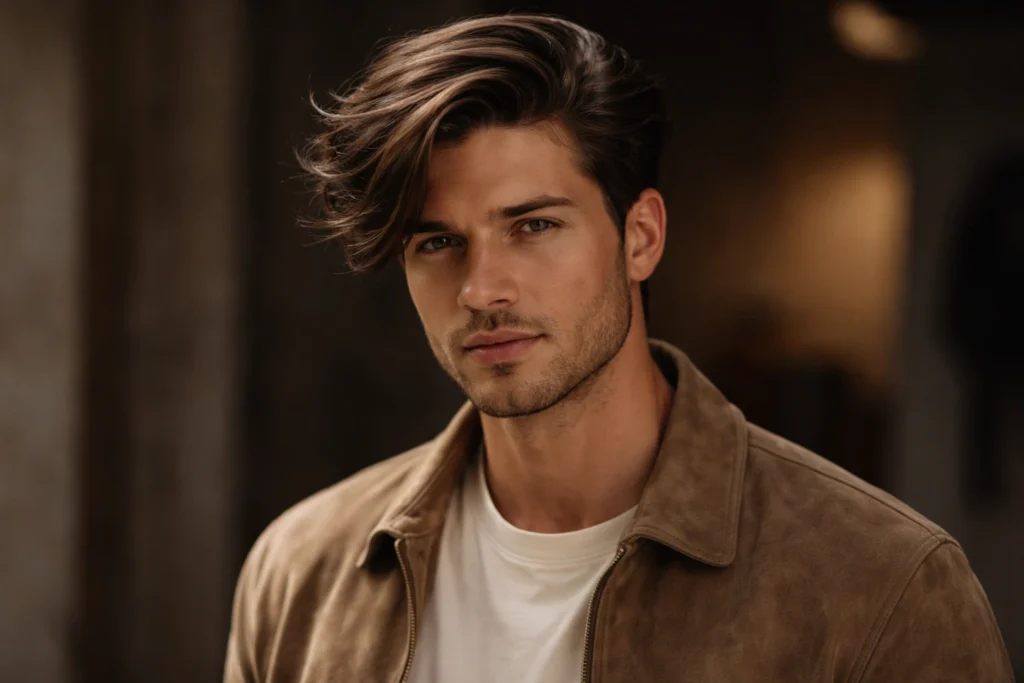
Side parts are not limited to short hair. The long side part involves styling longer top hair, typically three to five inches or more, into a defined parting on one side and allowing the length to sweep or fall naturally. The sides may be tapered or faded to create contrast, or left at a modest length for a more uniform look. Slicking the top hair back slightly adds structure. This style suits men with straight or lightly wavy hair who prefer a more relaxed, fashion-forward interpretation of the sleek side part.
13. The Side Part for Curly Hair
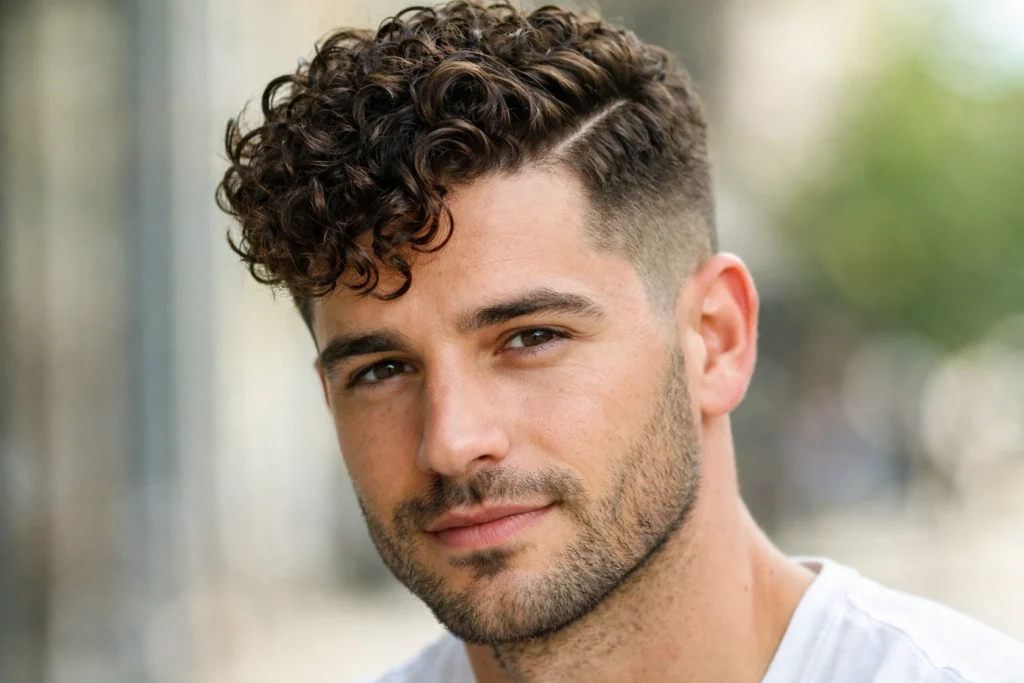
Curly hair and side parts are a natural combination that many men overlook. A clean side part in naturally curly or coily hair creates structure and definition that transforms the overall shape of the style. The curls on top maintain their volume and texture while the part provides a focal point and visual organization. A curl-defining cream or light styling gel helps to enhance curl pattern and reduce frizz. The sides can be faded or tapered to maintain a neat perimeter. This is a refreshing and modern take on the sleek side part for men with natural texture.
14. The Side Part for Wavy Hair

Wavy hair is perhaps the ideal natural texture for a sleek side part. The gentle wave adds inherent movement and dimension to the styled section of hair, creating a look that appears effortlessly polished. The hair is parted to one side, encouraged to sweep in the direction of the wave, and lightly set with a medium-hold product. The natural movement does much of the styling work, making this one of the most low-effort high-impact side part interpretations. It suits oval, heart, and square face shapes particularly well.
15. The Business Professional Side Part

The business professional side part is defined by its restraint and precision. The hair is kept at a moderate length on top, parted cleanly to one side, and combed flat with a high-shine pomade or gel. The sides are tapered or faded short. There are no textural distractions, no excessive volume, and no loose strands. This is a style that signals discipline, polish, and attention to detail. It is ideally suited to corporate and formal environments and pairs well with tailored clothing. Regular trims every three to four weeks keep the look sharp.
16. The Deep Side Part
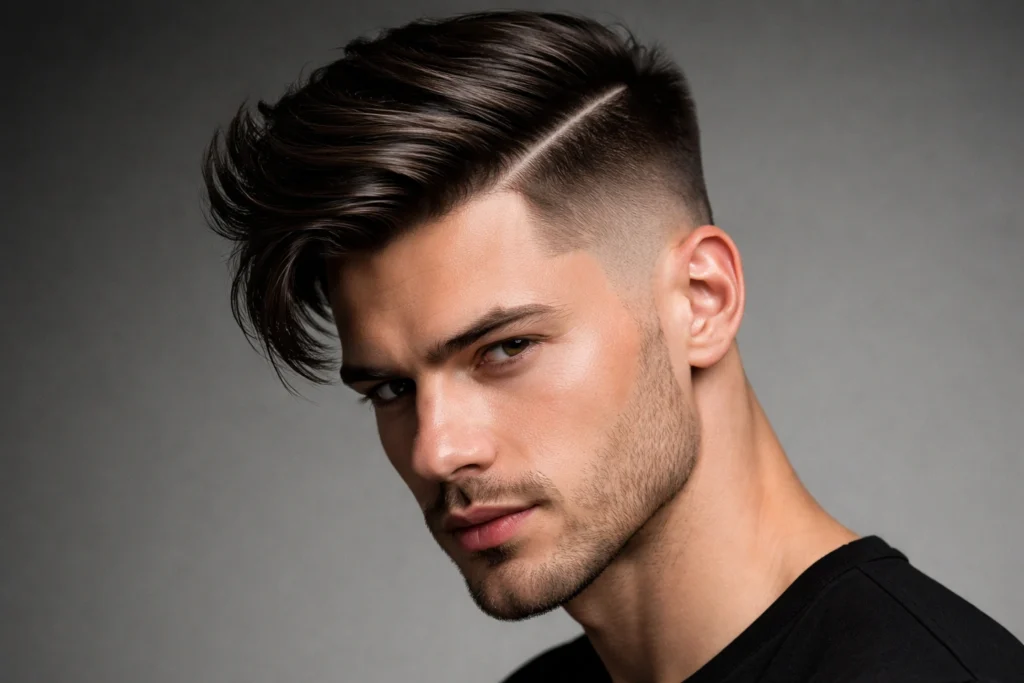
The deep side part pushes the parting further to the side, often beginning the line just above the ear. This creates an exaggerated division between the two sections of hair, with a significant amount of hair swept to one direction. The deep part adds drama and visual interest to an otherwise clean style and gives the face a more asymmetrical, dynamic appearance. It suits men with thicker hair that can handle the directional styling and works particularly well with either a skin fade or an undercut to enhance the contrast.
17. The Side Part Quiff
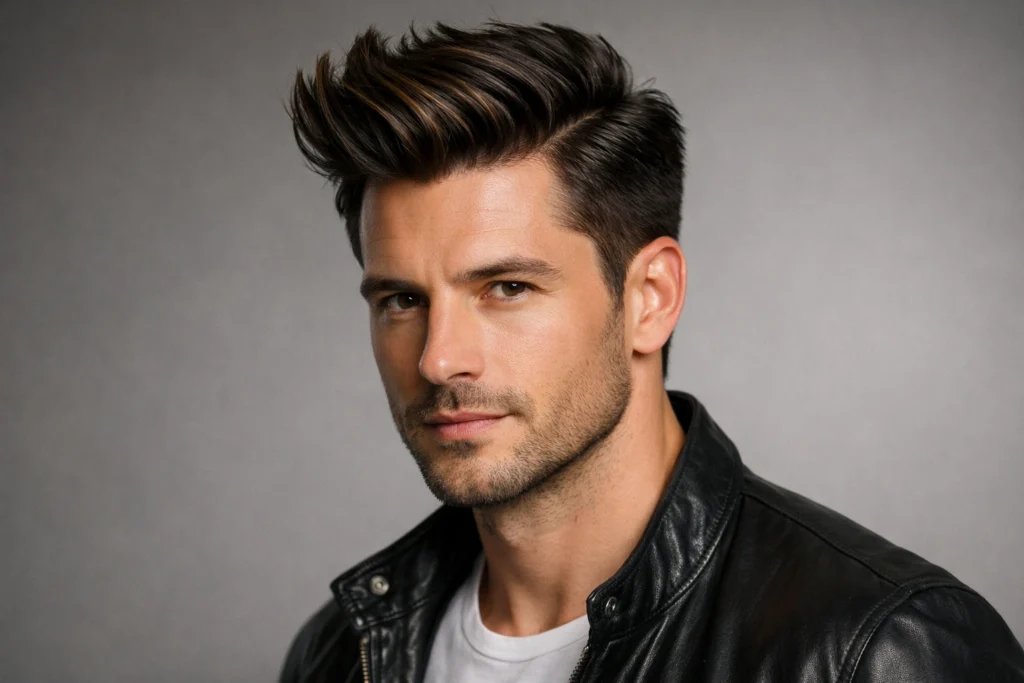
The quiff is a classic style defined by volume and forward-facing lift at the front of the hair. When combined with a side part, the quiff becomes more structured and directional, taking on a sharper and more polished character. The hair is blown dry for volume, guided toward one side at the crown, and set with a strong-hold pomade or fiber paste. The result is a style that balances height with organization, making it suitable for both professional settings and social occasions. It is one of the most versatile combinations in men’s hair.
18. The Side Part with a Beard
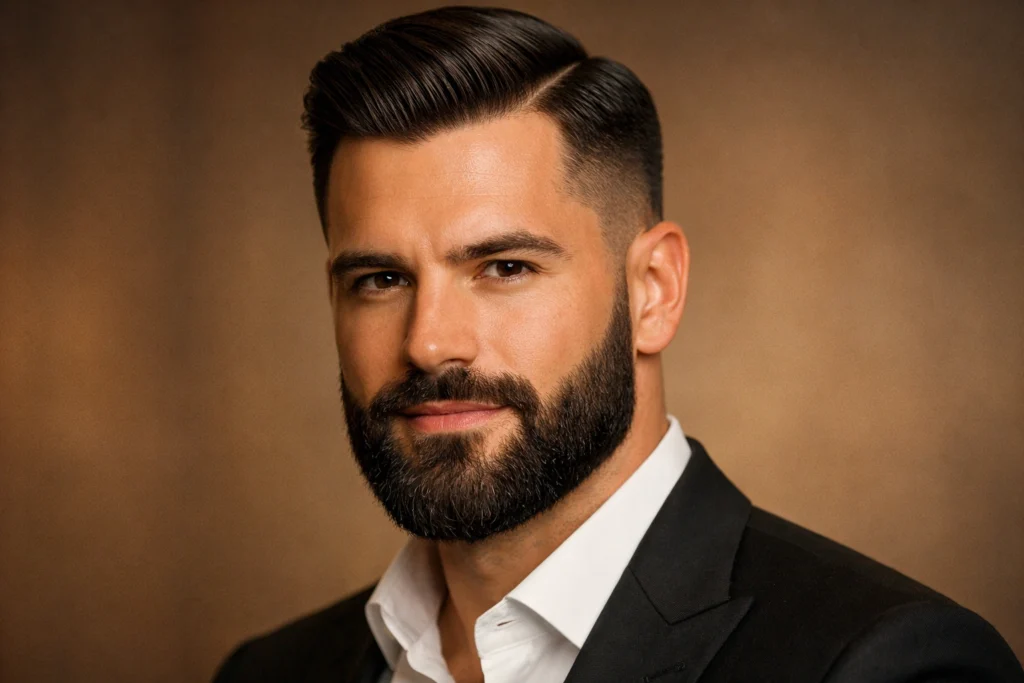
Pairing a sleek side part with a well-groomed beard creates a harmonious balance between structure above and texture below. The clean lines of the side part complement the shaped edges of the beard, giving the overall appearance a sense of intentional grooming from hairline to jawline. Medium-length side parts work particularly well with full beards, as the contrast between the sleek top and the voluminous facial hair adds visual interest. Shorter beard styles, such as a close fade or stubble, pair naturally with tighter, sharper side part variations.
19. The Modern Side Part
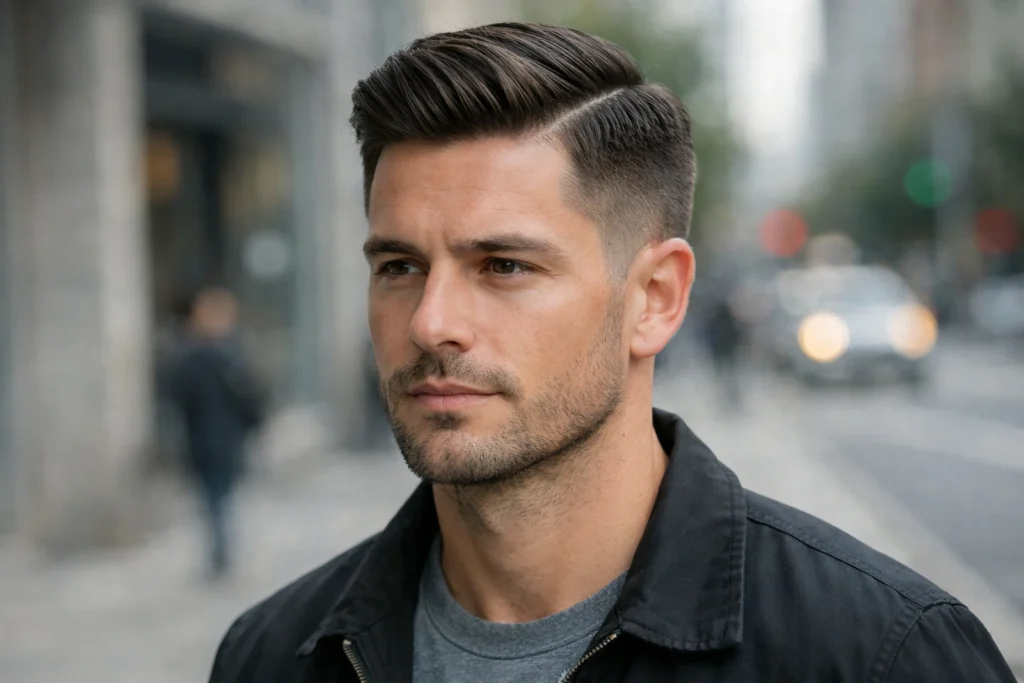
The modern side part refers to contemporary interpretations of the classic style that incorporate current grooming trends. This includes pairing a clean side part with faded sides, incorporating soft undercuts, using matte styling products for a less glossy finish, or allowing slight texture and movement in the top section. The modern side part acknowledges the heritage of the style while adapting it to current sensibilities. It suits a wide range of hair types and is equally comfortable in casual and professional contexts.
20. The Old Money Side Part
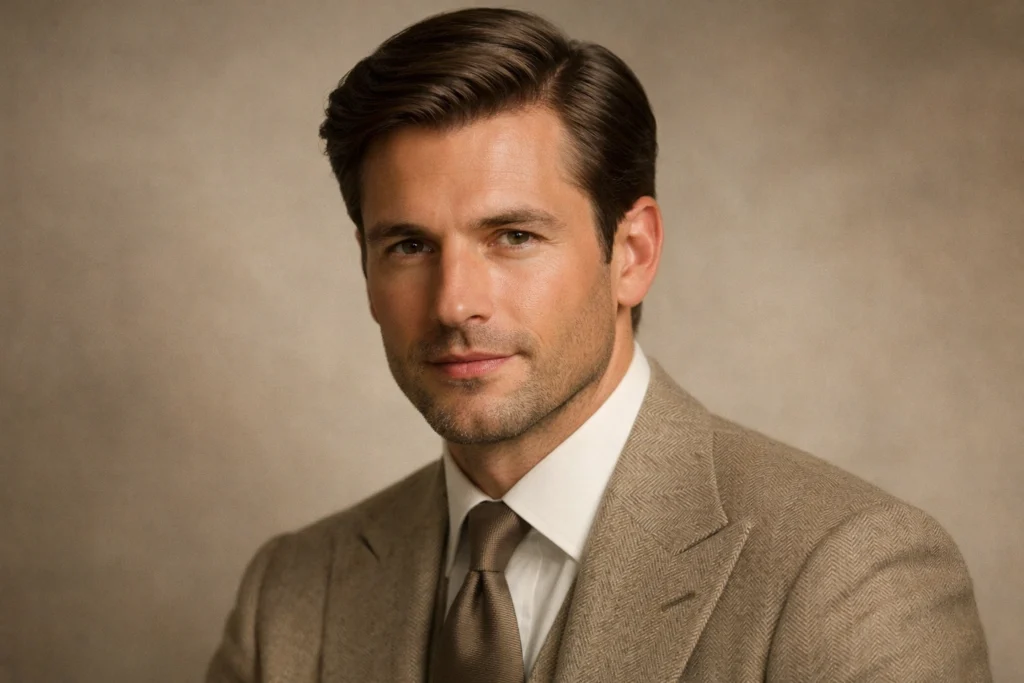
The old money side part draws heavily from European and American elite aesthetic traditions. The hair is of medium length, neatly parted to one side, and combed into a smooth, flowing sweep with a subtle lift at the front. There is no fade, no undercut, and no dramatic contrast. The style is defined by its effortless elegance and restrained confidence. It is polished without being severe, refined without being rigid. A light to medium hold pomade with natural shine delivers the appropriate finish. This look pairs naturally with tailored clothing and a groomed complexion.
How to Choose the Right Sleek Side Part for Your Face Shape
Selecting the right variation of the sleek side part depends heavily on face shape. Men with round faces benefit most from styles that add height or asymmetry, such as the deep side part, the pompadour side part, or a high fade variation. Men with square faces can soften angular features with a textured side part or a side swept variation that introduces movement. Oval faces are the most versatile and suit nearly every variation described in this article. Heart-shaped faces benefit from styles that do not add excessive width at the temples, making taper fades and soft side sweeps ideal choices.
Styling Products That Elevate the Sleek Side Part
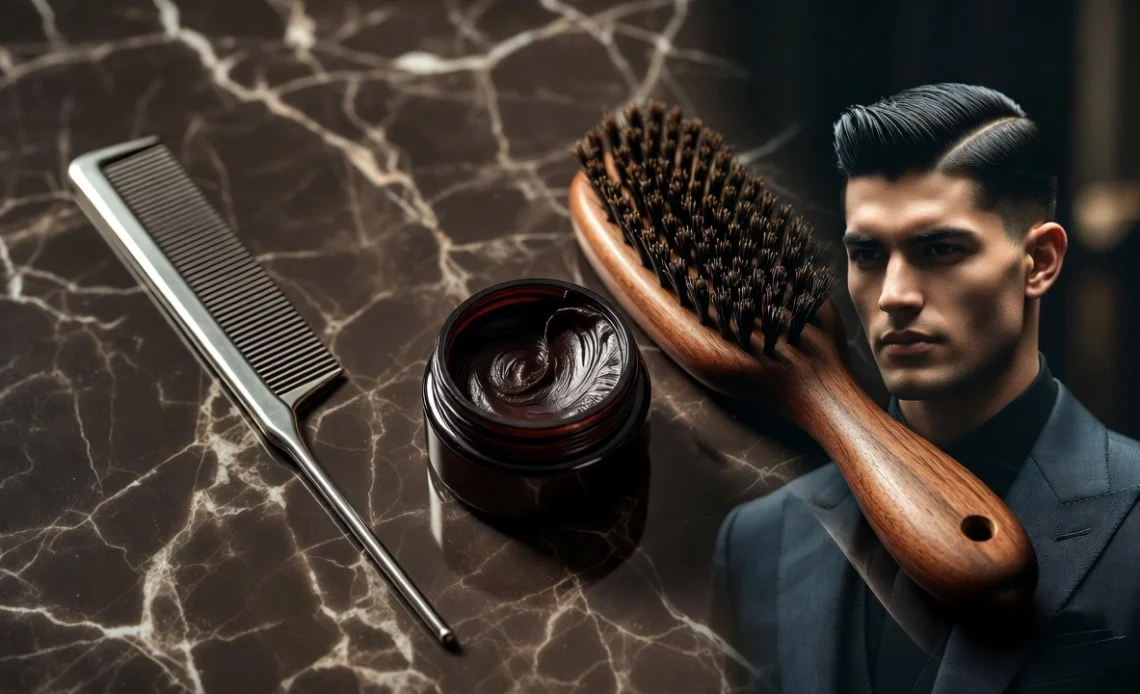
The right product makes the difference between a sleek side part that holds all day and one that falls flat by mid-morning. High-shine pomades, whether water-based or oil-based, are the traditional choice for a glossy, formal finish. Matte clays and fiber pastes deliver texture and hold without shine, making them ideal for casual or textured variations. Lightweight mousse works well for wavy or curly side parts where curl definition is the goal. A fine-tooth comb and a blow dryer used together during the styling process create the clean lines and directional movement that define the sleek side part at its best.
Maintaining Your Side Part Between Cuts
Regular maintenance is essential to keeping a sleek side part looking its best. Most barbers recommend a trim every three to four weeks to preserve the shape of the fade or taper and prevent the style from losing its clean structure. Washing the hair with a volumizing or clarifying shampoo removes product buildup that can weigh the hair down and dull the parting line. Applying a conditioner to the top section, particularly for longer styles, keeps the hair manageable and responsive to styling. A small amount of the right product, applied consistently and combed through with intention, is all that stands between a good side part and a great one.
A Conclusion Worth Styling Toward
The sleek side part is not a trend. It is a grooming institution. It has appeared in every decade of the past century and emerged from each one not merely intact but refined. The twenty variations described in this article represent the full spectrum of what this style can accomplish, from the restrained formality of the Ivy League cut to the bold drama of the skin fade side part, from the old money sweep to the modern textured interpretation.
What all of these styles share is an underlying commitment to structure, intention, and polish. The side part is a statement that a man has made a deliberate choice about how he presents himself. It signals awareness of both tradition and the present moment. Whether you are walking into a meeting, attending a formal event, or simply want to look sharp on an ordinary day, a well-executed sleek side part is a reliable, enduring, and deeply satisfying answer.
You may also like this post: 20 Flattering Hairstyles for Guys with Big Ears
Frequently Asked Questions
1. What is the best product to use for a sleek side part? For a high-shine, formal finish, a water-based pomade provides excellent hold and easy washout. For a matte, more textured look, a clay or fiber paste is the better choice. The right product depends on the specific style variation and how much shine you want.
2. Can men with thin hair pull off a sleek side part? Thin hair is actually well-suited to the side part. The natural tendency of thin hair to lie flat works in the style’s favor, and a clean side part can make thinner hair appear more intentional and polished. Volumizing products and a blow dryer can enhance the fullness of the top section.
3. How do I create a clean side part at home? Start with damp hair. Use a fine-tooth comb to locate your natural parting line, which typically falls above the arch of one eyebrow. Draw the comb from that point in a straight line toward the back of the head. Apply a small amount of pomade or styling product and comb each section firmly in its direction.
4. Which side part variation is best for formal occasions? The classic slicked back side part, the business professional side part, and the old money side part are the strongest choices for formal environments. These variations prioritize clean lines, restrained shine, and a well-groomed silhouette that complements tailored or formal attire.
5. Are sleek side part hairstyles suitable for all hair types? Side parts can be adapted to virtually every hair type. Straight hair naturally suits the sleekest versions. Wavy hair adds movement and dimension. Curly and coily hair can achieve a refined side part with the help of curl-defining products. The key is choosing the right product and styling technique for the specific texture of the hair.
1 Comment