Introduction
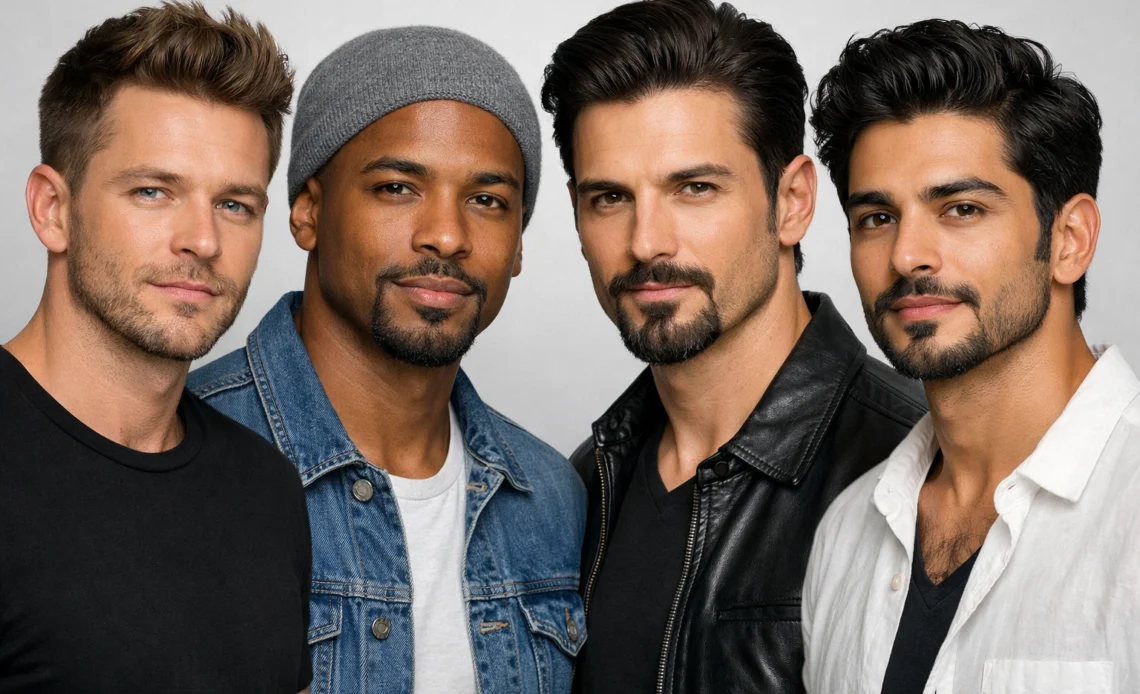
Not every man grows a thick, full beard, and that is perfectly fine. A large number of men deal with uneven facial hair growth, sparse cheek zones, or inconsistent coverage across the jawline. Patchy beards are more common than most people think, driven primarily by genetics, hormonal levels, age, and lifestyle habits. The good news is that a patchy beard does not have to limit your style choices. In fact, many of the most attractive beard looks on modern men work precisely because of uneven growth, not in spite of it. The key is learning which styles suit your growth pattern, how to groom them properly, and how to carry them with confidence. This article covers 20 stylish beard ideas for patchy beards, complete with grooming tips, maintenance advice, and expert insights to help you find the look that works best for you.
Understanding Why Beards Grow Patchy
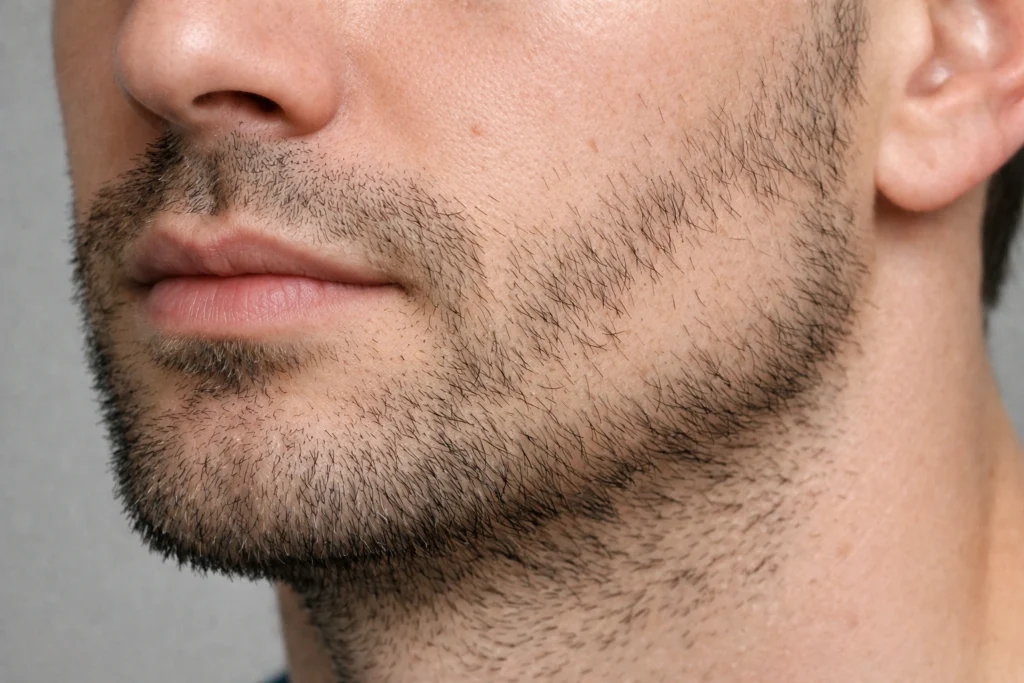
Before diving into specific styles, it helps to understand what causes patchy beard growth in the first place. The most significant factor is genetics. If the men in your family tend to have sparse facial hair, you are likely to experience something similar. Beyond genetics, hormonal imbalances, particularly lower levels of dihydrotestosterone (DHT), can slow or restrict hair follicle activity on the face. Nutritional deficiencies, including low levels of biotin, zinc, iron, and vitamin D, can also weaken hair growth. Stress, poor sleep, and certain medications are additional contributors. Understanding your specific pattern of patchiness helps you choose beard styles that work with your natural growth rather than against it.
The Classic Goatee for Patchy Beard Growth
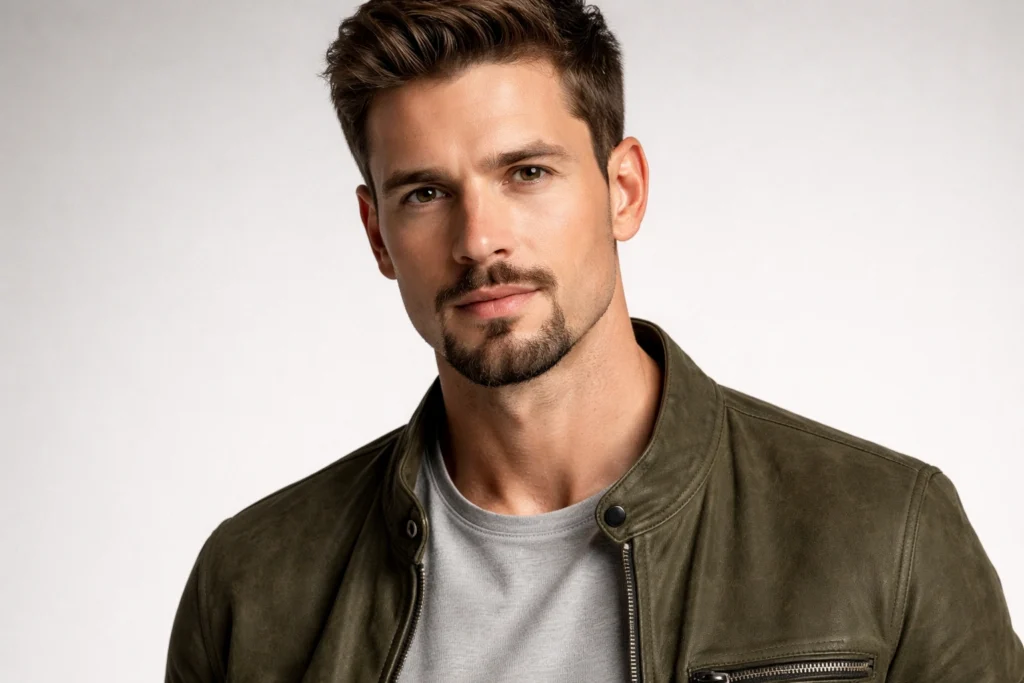
The goatee remains one of the most reliable beard ideas for patchy beards. It focuses all growth around the chin and mouth, two areas where most men have stronger, more consistent hair follicle activity. A well-shaped goatee draws the eye downward toward the chin and creates a sharp, defined look regardless of sparse cheek coverage. You can keep it rounded for a softer appearance or sharpen the edges for a more angular, modern finish. The goatee also complements most face shapes, making it a versatile choice for a wide range of men. Paired with clean-shaved cheeks, it looks intentional and polished rather than unfinished.
Stubble: The Most Forgiving Patchy Beard Style
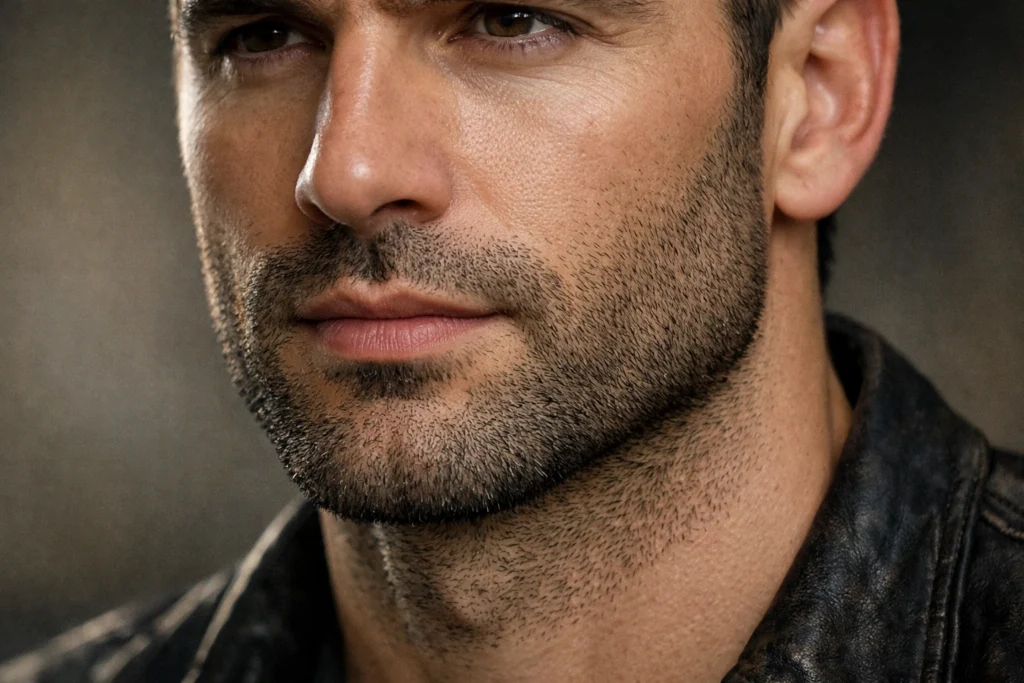
Heavy stubble is arguably the most flattering of all beard ideas for patchy beards. When kept at a uniform short length using a quality trimmer, stubble minimizes the contrast between dense and sparse areas. The result is a rugged, masculine appearance that reads as deliberate rather than accidental. Most men find that three to five days of growth hits the sweet spot where coverage looks relatively even. Use a trimmer with a consistent guard to keep all areas at the same length, and define the neckline and cheek line with a razor for a clean, sharp outline. Stubble requires minimal commitment but delivers a strong return on style.
The Van Dyke Beard

The Van Dyke is a sophisticated combination of a pointed goatee and a disconnected mustache, with the cheeks left clean-shaved. Named after the Flemish painter Anthony van Dyck, this style has been embraced by everyone from Johnny Depp to Robert Downey Jr., and it translates beautifully for men with patchy growth. Because it focuses hair on two defined zones, the cheeks are intentionally kept bare, meaning patches on the sides of your face become completely irrelevant. The Van Dyke can be styled sharp and precise for a formal setting or kept slightly textured for a relaxed, creative look. It is one of those beard ideas for patchy beards that never goes out of fashion.
The Short Boxed Beard
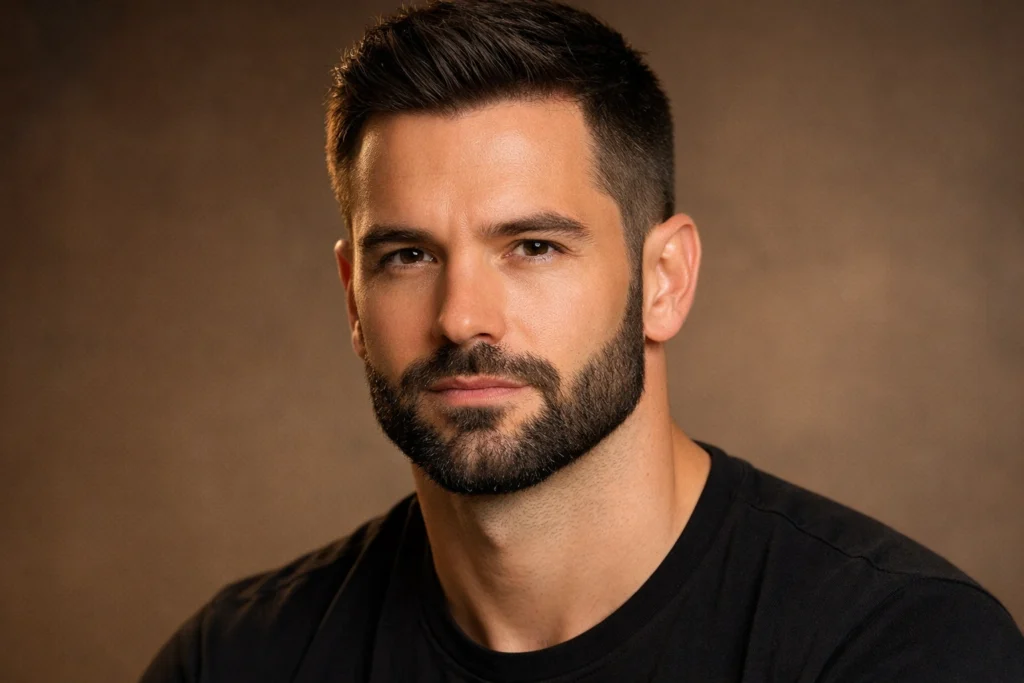
The short boxed beard is a neatly trimmed style that sits close to the face, covering the cheeks, jawline, and chin with a uniform, controlled length. This style works well for patchy growers because keeping the hair shorter reduces the visual contrast between thick and thin areas. The key to pulling off a short boxed beard with uneven growth is clean, defined borders. Sharp lines along the cheek and neckline give the beard structure and make it look intentional. Use a beard balm or wax to keep stray hairs in place and add a little density to sparse zones.
The Anchor Beard
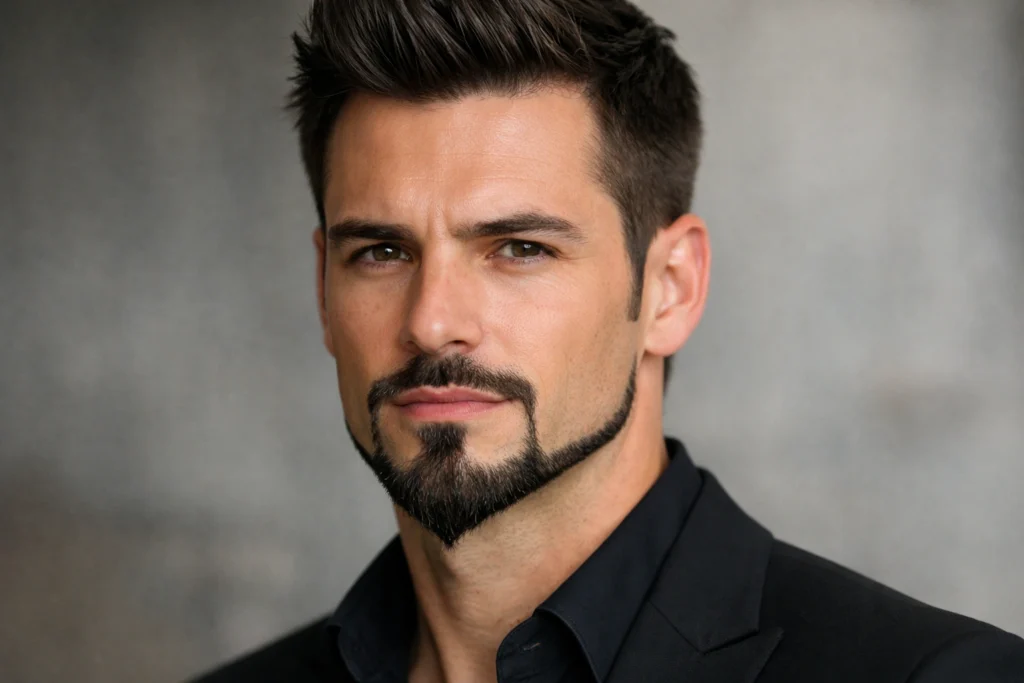
The anchor beard is a stylish, structured option that pairs a pointed chin beard with a floating mustache and a thin line tracing along the jawline, resembling the shape of a ship’s anchor. This style is particularly effective for men who have reasonable growth around the mouth and chin but struggle with patches on the cheeks. Because it follows the jawline closely and keeps the cheeks minimal, it sidesteps the most common problem areas. The anchor beard suits square and oval face shapes especially well and gives off a sharp, intentional appearance that stands out in professional and social settings alike.
The Balbo Beard
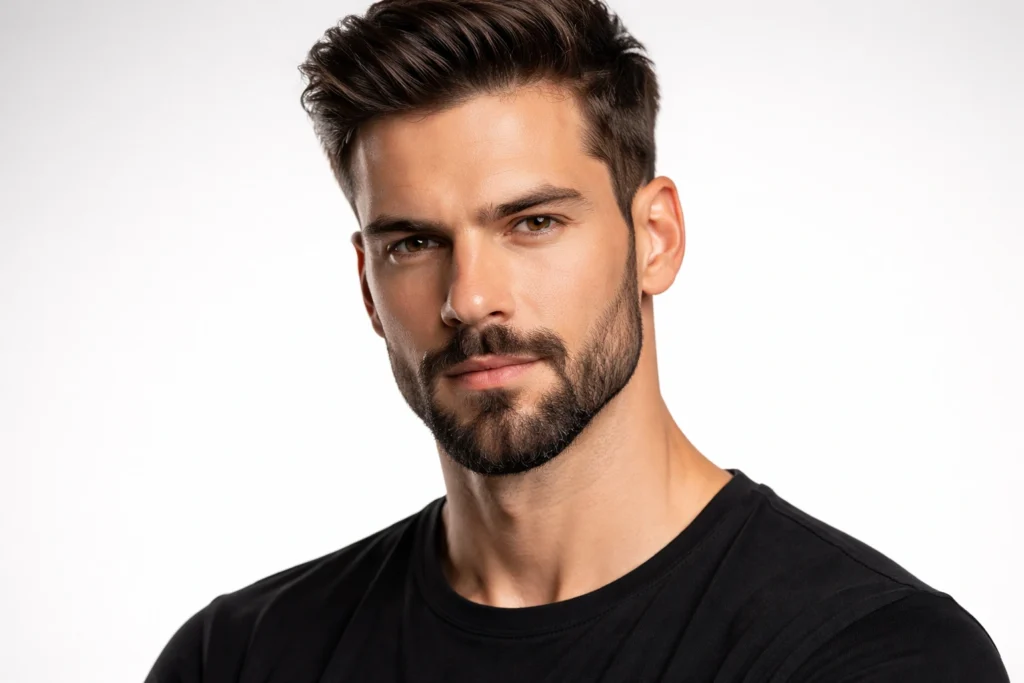
The Balbo beard features a trimmed, floating mustache combined with a beard on the chin and jaw, with the sideburns completely absent. It is a strong choice among beard ideas for patchy beards because it eliminates the upper cheek area, where many men experience the most significant patchiness. The style creates visual balance across the lower face and projects a modern, well-groomed persona. Keeping the mustache disconnected from the chin beard adds a bold, artistic touch. This style has been popularized by celebrities and works across formal and casual environments equally well.
The Circle Beard
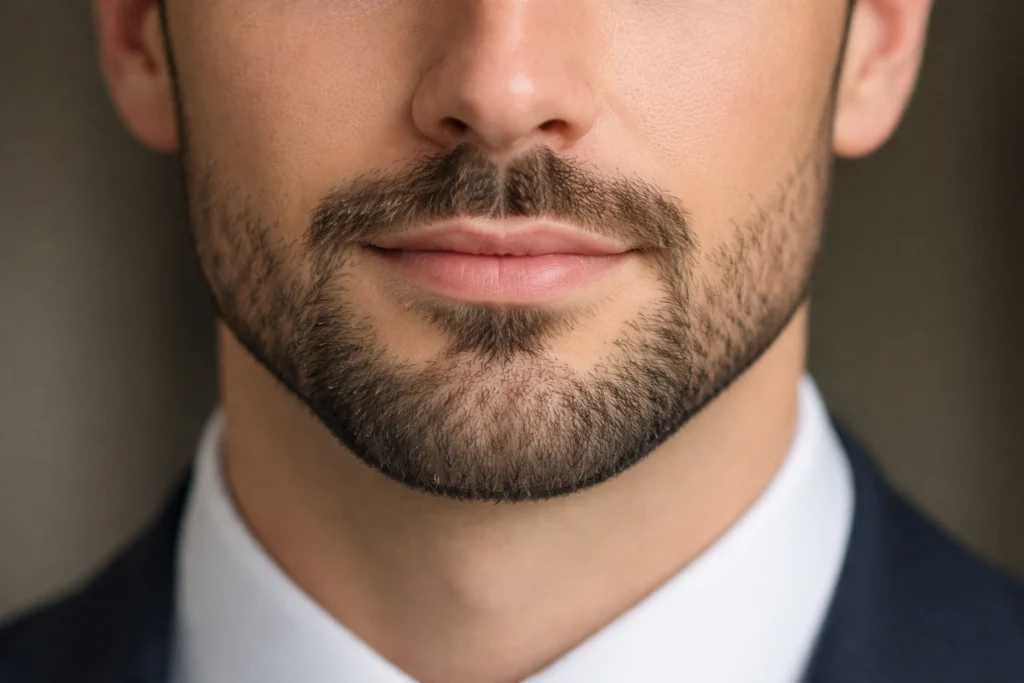
The circle beard, also known as the door knocker beard, combines a rounded goatee with a connected mustache to frame the mouth in a neat circular shape. It is one of the most straightforward beard ideas for patchy beards to maintain and suits men who have decent growth around the mouth and chin. The circular shape adds symmetry to the face and gives the impression of a well-considered grooming choice. This style is particularly popular in professional environments and among men with oval or round face shapes. A steady hand and a good trimmer are all you need to keep it looking sharp.
The Chin Strap Beard
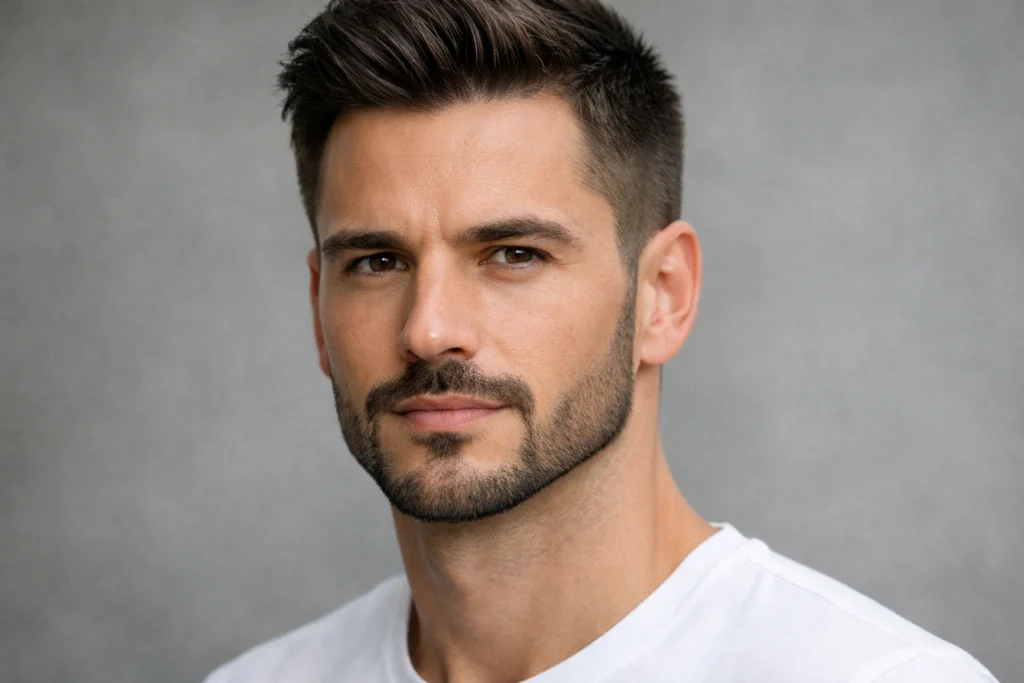
The chin strap involves a thin line of beard that runs along the jawline from ear to ear, often paired with a mustache or left alone. For men with uneven growth on the cheeks or across the jaw, a defined chin strap can draw the eye to the structure of the face rather than toward sparse patches. This style works best for men who have relatively consistent hair growth along the jawline itself. It requires precise trimming to maintain clean lines and looks particularly strong on men with sharp facial bone structure. Pair it with a neat mustache to elevate the overall look.
The Scruffy or Textured Natural Beard

Sometimes the most effective approach is to stop fighting the patchiness and instead embrace it as part of your personal style. A natural, scruffy beard kept at a medium length can look rugged, effortless, and genuinely attractive. The key here is to let the beard grow out long enough that the hair from denser areas begins to naturally overlap and cover some of the thinner zones. Regular brushing with a boar bristle brush trains the hair to grow in a direction that maximizes coverage. Apply a beard oil daily to keep the hair soft and healthy-looking. This approach suits laid-back personalities and casual style aesthetics particularly well.
Strategic Shaping, Grooming, and Products for Patchy Beards
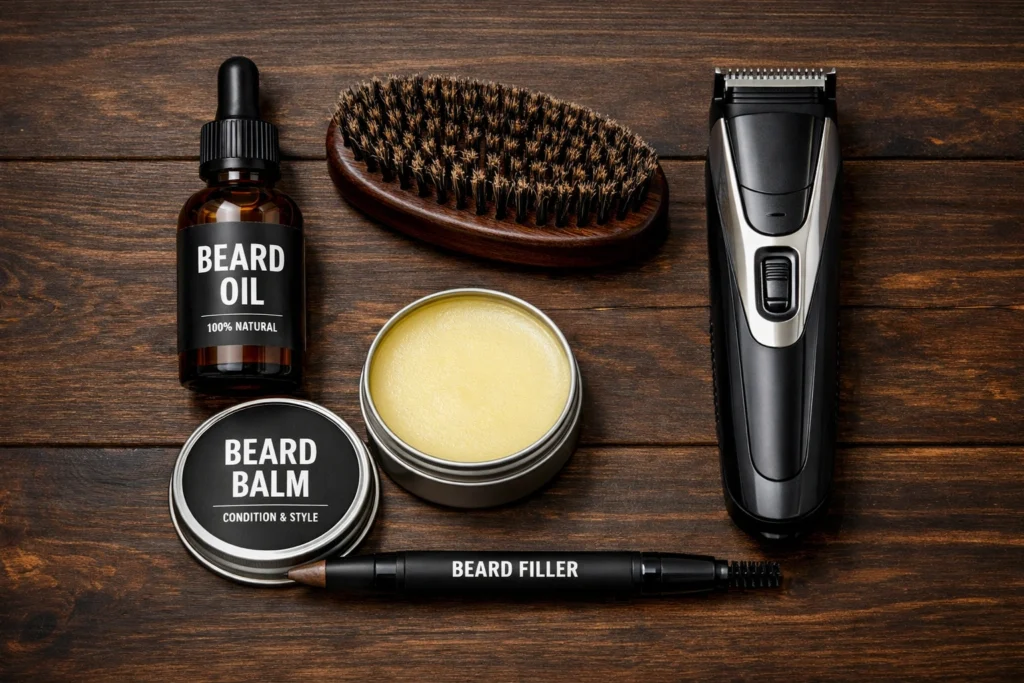
Beyond choosing a specific beard style, the way you maintain and groom your beard makes a significant difference in how patchy it appears. Start by investing in a high-quality trimmer that allows precise length adjustments. Always define your neckline and cheek lines clearly, as sharp borders instantly make any beard look more intentional. Use a beard filler pencil to lightly fill in extremely sparse areas, drawing short strokes that mimic natural hair growth. Beard oils and balms not only nourish the skin beneath the hair but also add a subtle thickness to existing strands. Exfoliating your skin two to three times per week stimulates blood flow to the follicles, which can improve growth over time. Eating a balanced diet rich in biotin, zinc, and omega-3 fatty acids, drinking adequate water, and managing stress through regular exercise all contribute to healthier, more consistent beard growth. When in doubt, consult a barber who specializes in facial hair. A skilled barber can assess your natural growth pattern and recommend the best shaping strategy for your face.
Additional Beard Style Ideas at a Glance
Beyond the eleven detailed styles above, here are nine more beard ideas for patchy beards worth considering. The extended goatee, also known as the tailback, stretches chin growth toward the sides for a broader appearance. The Garibaldi is a fuller, rounded beard style that uses length to cover sparse zones naturally. The chinstrap with stubble combines defined lines with soft texture for a relaxed masculine feel. The soul patch is an ultra-minimal style involving just a small patch of hair below the lower lip, perfect for men with very limited overall growth. The petite goatee is a smaller, more refined version of the classic goatee that suits narrow face shapes well. The mustache-only look is a bold, confident choice when cheek and chin growth are too sparse to work with. The fade beard uses a gradual taper from sideburns downward, blending sparse areas into the hairstyle seamlessly. The unkempt long beard lets length do the heavy lifting of coverage. The Royale beard combines a thin chin strip with a styled mustache for a refined, retro-inspired appearance. Each of these options gives patchy beard growers another tool in their grooming arsenal.
Conclusion
Having a patchy beard is not a barrier to looking sharp, stylish, or confident. It is simply a call to be smarter about your choices. The styles covered in this article prove that working with your natural growth pattern rather than against it consistently produces the best results. Whether you embrace a clean goatee, commit to a sophisticated Van Dyke, or let a scruffy natural beard grow in with pride, the most important thing is that the style fits your face and your personality. Grooming discipline, the right products, and a solid understanding of your own hair growth pattern will carry any of these looks to their full potential. Choose a style, commit to it, take care of your skin and hair, and wear your beard with confidence.
You may also like thiss post: 20 Trendy Pointed Beard Styles to Elevate Your Jawline
FAQs
Can a patchy beard fill in over time?
Yes, in many cases it can. Beard growth tends to become denser as men age, particularly through their twenties and into their thirties. A healthy diet, consistent grooming, and proper skin care can help improve coverage over time.
What is the best beard style for very patchy cheeks?
Styles that keep the cheeks clean-shaved work best, including the goatee, Van Dyke, Balbo, and anchor beard. These concentrate hair where growth is strongest and avoid drawing attention to sparse cheek areas.
Does beard oil help with patchiness?
Beard oil does not directly grow new hair in bald patches, but it nourishes existing follicles, moisturizes the skin, and keeps hairs healthier and fuller-looking, which can make a beard appear less patchy overall.
Should I shave off a patchy beard and start again?
Not necessarily. Letting the beard grow out for four to six weeks often reveals a more workable coverage pattern. Many men make the mistake of shaving too early before seeing what they actually have to work with.
Can beard fillers and pencils help patchy beards?
Yes. Beard filler pencils are a practical and widely used solution for filling in sparse areas. When applied lightly with short, hair-like strokes in a shade that matches your beard, they create a natural-looking density that significantly reduces the appearance of patchiness.