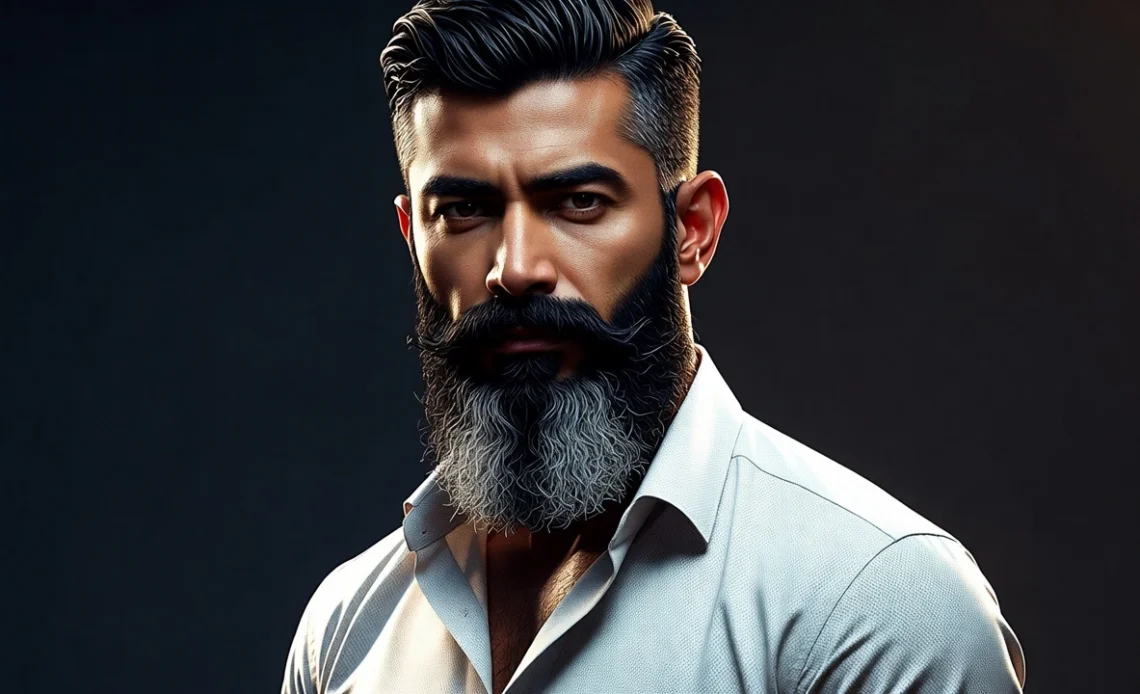
Grooming in 2026 is no longer about chasing whatever trend appeared on social media last week. The men who look their best this year are the ones who understand that great beard styling begins with shape, balance, and the discipline to maintain what they have chosen. Timeless beard styles for men have survived decades of shifting fashion precisely because they are built on principles that never expire, principles of proportion, face shape harmony, and the quiet confidence that comes from wearing something that simply works.
Whether your preference leans toward the clean precision of a boxed beard or the rugged presence of a full Viking beard, 2026 is the year to stop guessing and start choosing with intention. This guide covers 20 of the most enduring and widely admired beard styles available to men today, with practical styling guidance, face shape recommendations, and maintenance insight to help you wear each look at its very best.
1. The Full Beard
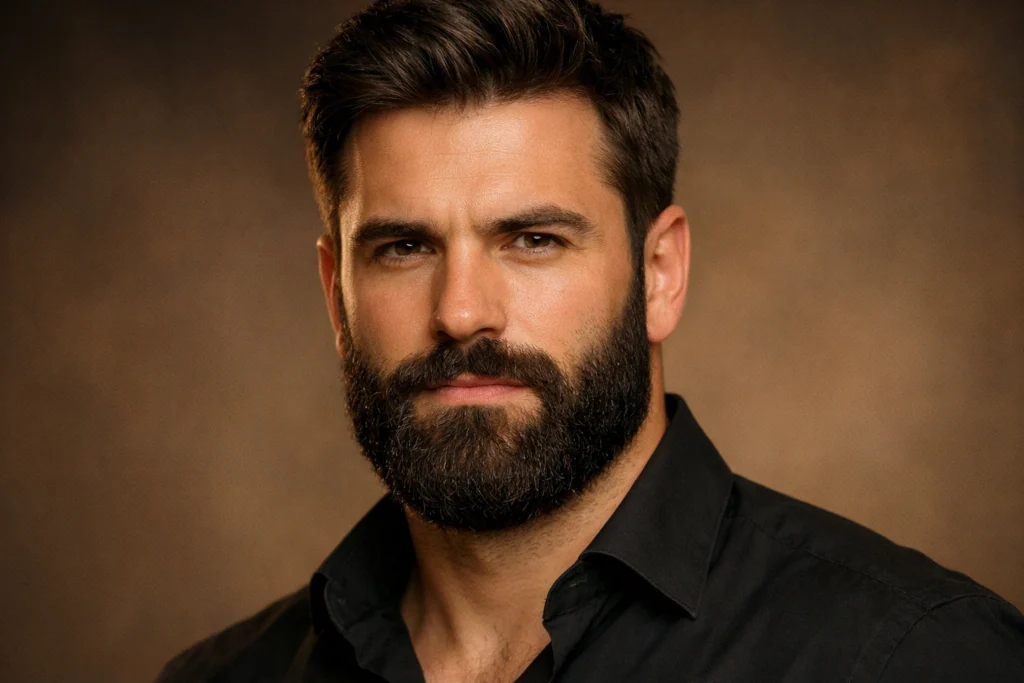
The full beard remains the most powerful symbol of masculine grooming and is experiencing a significant resurgence in 2026, with a renewed focus on natural texture and visible health rather than excessive sculpting. It covers the jawline, cheeks, chin, and upper lip with consistent growth that, at its best, projects confidence, authority, and a genuinely commanding presence.
Growing a full beard requires patience, typically several months of uninterrupted growth before the full shape becomes apparent. Once length is achieved, regular trimming to maintain consistency, daily brushing with a quality beard brush to train growth direction, and generous application of beard oil to keep both the hair and the skin beneath it healthy are the three foundational habits that separate a great full beard from an unkempt one. It suits most face shapes and is particularly flattering on oval and square faces where the beard adds breadth and structural weight.
2. The Short Boxed Beard

The short boxed beard is defined by its clean, straight cheek lines and precisely defined lower boundary, creating a sharp rectangular frame around the lower face. It is one of the most professionally appropriate beard styles available in 2026 and remains a top choice for men who want a beard that transitions effortlessly from the boardroom to the weekend without requiring a change in grooming approach.
Kept between half an inch and one inch in length, the boxed beard communicates intentionality and control. It requires consistent trimming every one to two weeks to keep the edges sharp and the surface even. Daily application of beard balm prevents flyaways and keeps the hair lying flat and smooth. This style suits virtually every face shape and is the ideal entry point for men growing their first serious beard.
3. The Stubble Beard

Few timeless beard styles for men deliver as much masculine appeal with as little visible effort as the stubble beard. At its most effective, stubble occupies the precise midpoint between clean-shaven and bearded, projecting a relaxed confidence that requires considerably more discipline than it appears to. The ideal stubble length falls between two and five millimeters and must be maintained consistently with a quality trimmer every two to three days to prevent it from growing past the point where it reads as intentional.
Stubble is one of the most universally flattering beard lengths across all face shapes and is particularly effective for men with patchy beard growth, where the short, uniform length creates a convincing overall impression regardless of where density varies. It is also the most seasonally adaptable beard length, working comfortably across all climates and occasions.
4. The Van Dyke Beard
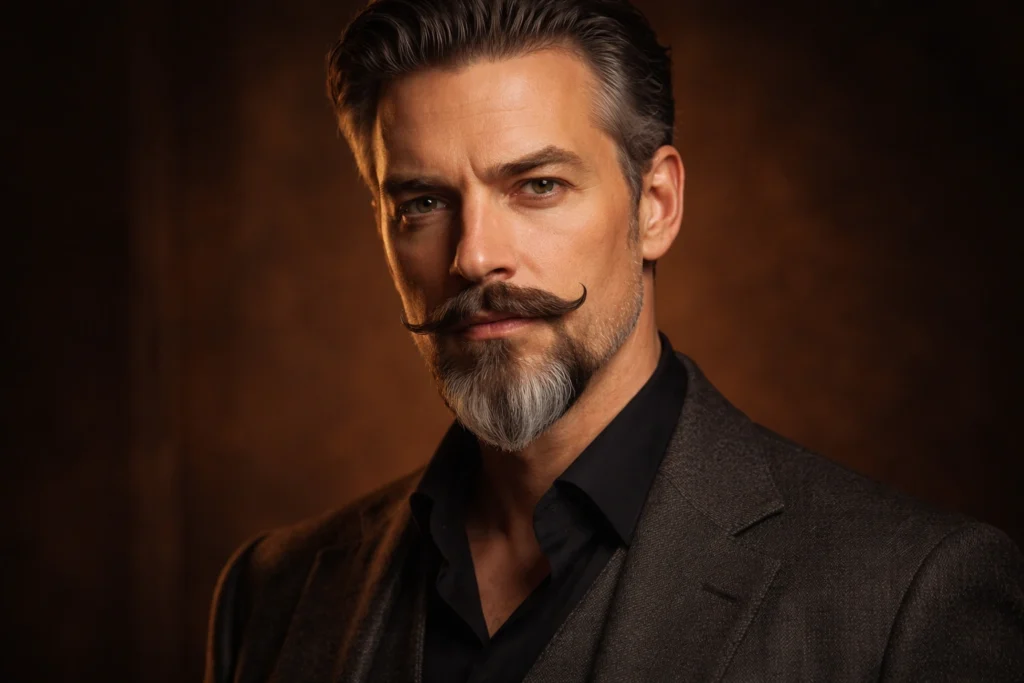
Named after the 17th century Flemish painter Anthony van Dyck, the Van Dyke beard is a deliberate combination of a trimmed goatee on the chin and a separately styled mustache, with the cheeks kept clean-shaven and the two elements intentionally disconnected from each other. It is one of the most artistically and historically resonant beard styles in existence and continues to be widely worn in 2026 because of the sophisticated, expressive character it lends to the face.
The Van Dyke suits men with oval and angular face shapes exceptionally well, where its defined geometry adds a distinguished quality that a full beard might obscure. Beard wax applied to the mustache is essential for maintaining the clean shaping and clear separation between the two elements that gives this style its signature appearance.
5. The Goatee
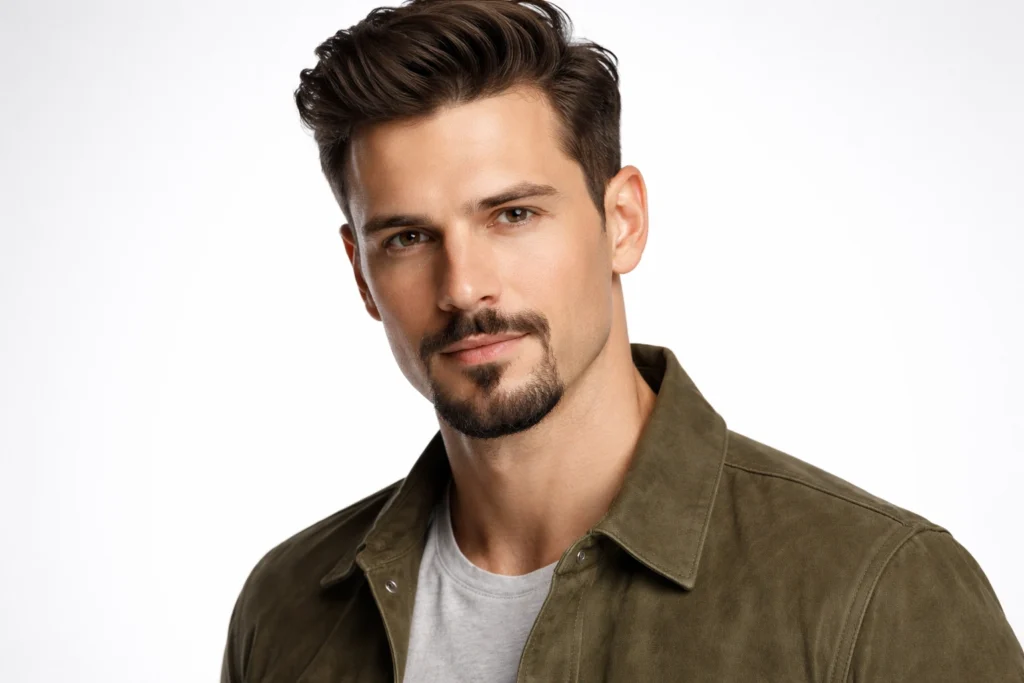
The goatee is one of the oldest and most widely recognized beard styles in the world, and its 2026 iteration has reclaimed its status as a sharp, versatile option that works for men across a broad range of ages and lifestyles. In its classic form, it features hair on the chin and upper lip only, with the cheeks kept entirely clean-shaven. Modern interpretations include extended versions that carry the chin hair along the jawline, as well as variations that feature the chin beard alone without a connecting mustache.
The goatee is the ideal choice for men whose beard growth is strongest in the central facial area and sparser on the cheeks. By concentrating the beard where growth is most convincing, the goatee creates a refined and intentional look. It is also one of the best styles for men with round faces, where the vertical emphasis of the chin hair creates an impression of additional face length.
6. The Beardstache
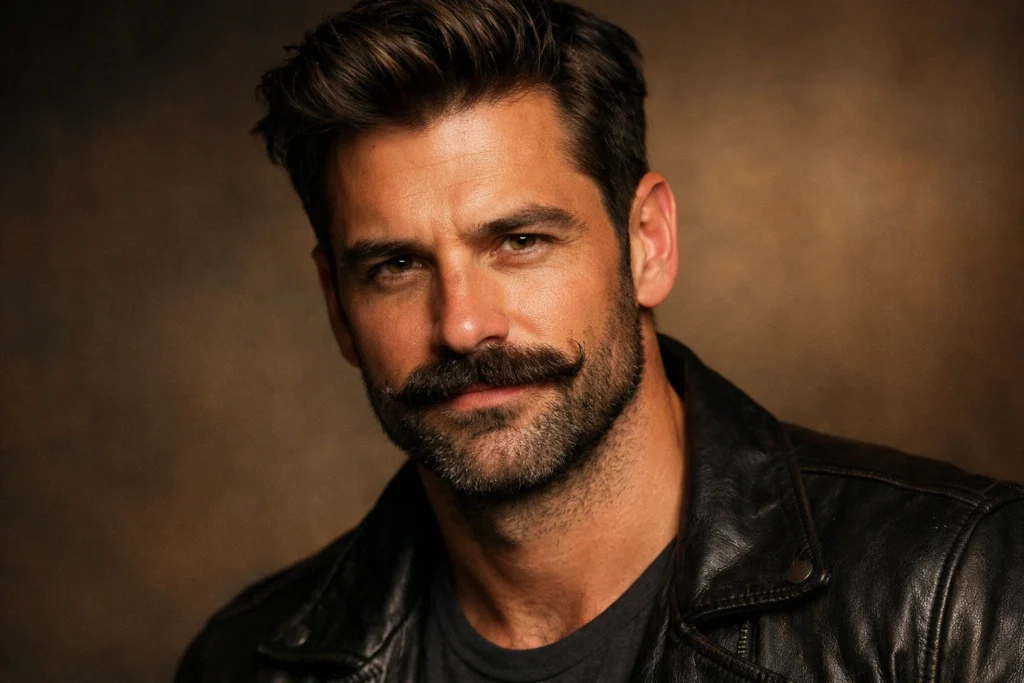
The beardstache has established itself as one of the most distinctive and personality-driven timeless beard styles for men and continues to grow in cultural visibility in 2026. It features a short beard or heavy stubble on the lower face combined with a significantly fuller, more prominent mustache that becomes the defining visual element of the overall look. The contrast between the heavier mustache and the shorter surrounding beard creates a bold, expressive character that few other styles can replicate.
Achieving a convincing beardstache requires allowing both the mustache and beard to grow for several weeks before beginning to differentiate the lengths. The beard is then trimmed short while the mustache is left to develop its full volume. A quality mustache wax holds the mustache in shape and adds a level of deliberate styling that elevates the look from casual to genuinely considered.
7. The Anchor Beard
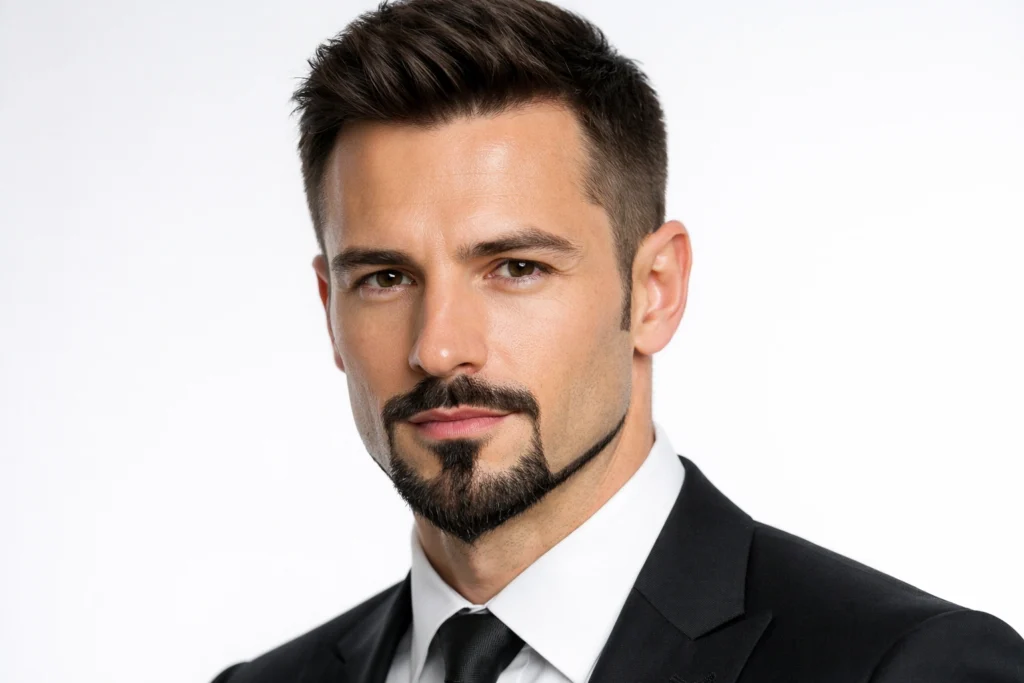
The anchor beard takes its distinctive name from its visual resemblance to a ship’s anchor when viewed from the front. It combines a pointed chin beard with a mustache, connected by a narrow strip of hair that traces the lower jawline without covering the cheeks. The precise, geometric quality of the anchor beard makes it one of the most architecturally defined options in this guide and suits men who appreciate exactness in their grooming.
A precision trimmer and steady hand are essential tools for maintaining the anchor beard’s clean lines. The cheeks must be kept closely shaved, and the connecting strip along the jaw must remain thin and well-defined to preserve the anchor shape. It suits square and diamond face shapes best and is particularly effective at highlighting and enhancing a strong jawline.
8. The Ducktail Beard
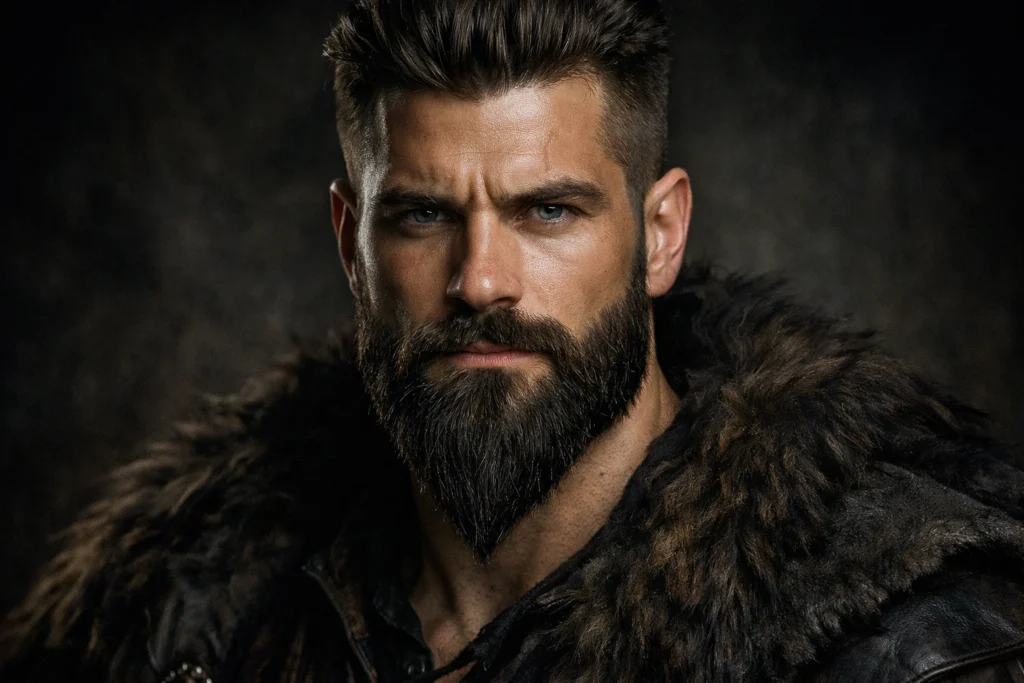
The ducktail beard is one of the most visually distinctive beard styles in modern grooming culture, featuring a full beard that is shaped and trained to taper to a pointed or duck-tail-like shape at the chin while the sides are kept shorter and blended into the longer central section. Its Viking associations give it a rugged, historically grounded quality that continues to resonate strongly in 2026.
Growing a ducktail requires commitment, as the chin section needs to reach approximately three to five inches before the tapering shape can be effectively formed. Once the length is achieved, a skilled barber shapes the sides and defines the central point, and regular maintenance trims every four to six weeks keep the silhouette clean and intentional. It suits oval and square face shapes particularly well.
9. The Chinstrap Beard
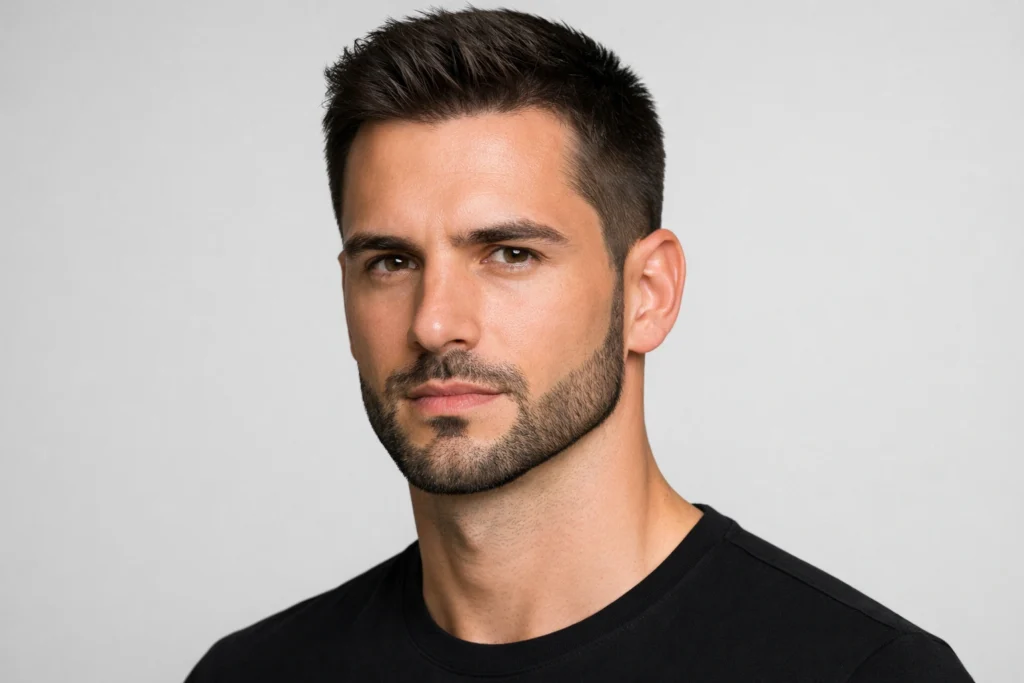
The chinstrap beard follows the jawline from sideburn to sideburn in a precisely defined strip of hair that frames the lower face with sharp, geometric clarity. The cheeks and the area beneath the lower lip are kept clean-shaven, leaving only the jaw-following strip visible. At its most refined, the chinstrap is a style for men who appreciate minimalist precision and who have the jawline geometry to carry it convincingly.
Maintaining a chinstrap requires frequent shaving of the surrounding facial areas to keep the borders absolutely clean. Any softening of the edges blurs the style’s essential quality. It suits men with strong, defined jawlines best, where the strip of hair serves to underscore and emphasize the jaw’s natural architecture rather than create the impression of structure where it does not exist naturally.
10. The Garibaldi Beard
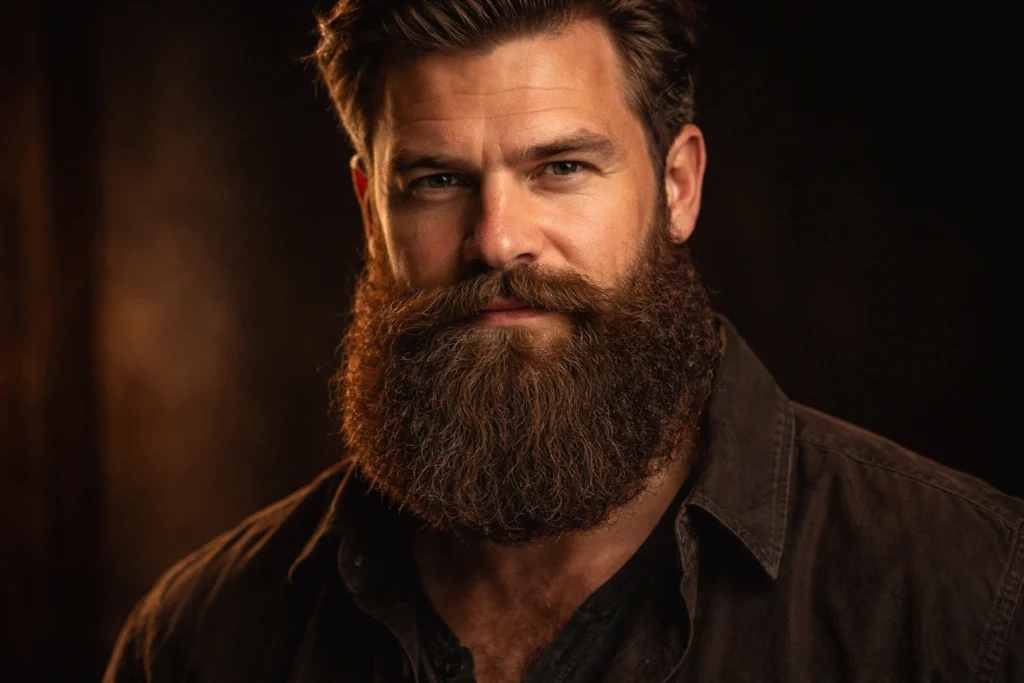
Named after the Italian general Giuseppe Garibaldi, this style is a wide, full beard allowed to grow to a medium length of approximately four to six inches with an intentionally rounded lower edge that distinguishes it from a standard full beard. The Garibaldi projects a natural, unhurried masculinity that reads as commanding and approachable simultaneously, making it one of the most charismatic timeless beard styles for men.
The key to the Garibaldi’s appeal lies in the deliberate rounding of its lower edge, which prevents the length from appearing unkempt while preserving the natural, organic quality that defines its character. Daily beard oil application is essential for managing the longer hair and keeping it soft, hydrated, and free from the dryness and brittleness that untreated longer beards develop over time.
11. The Circle Beard

The circle beard, also referred to as the standard beard or the door-knocker, combines a rounded goatee with a connected mustache to create a continuous ring of hair encircling the mouth. It is one of the most globally recognized and widely worn beard configurations because of its clean simplicity and broad flattering range across different face shapes and hair densities.
In 2026, the circle beard is appearing in slightly softer, more naturally rounded versions compared to the over-sculpted iterations of recent years. A fine-tooth comb and consistent trimming maintain the symmetry that defines this style at its best. A small amount of beard balm applied daily keeps the hair within the circle smooth and controlled. It suits oval, square, and angular face shapes particularly well.
12. The Corporate Beard

The corporate beard is a style built entirely around the demands of the professional environment. It is typically maintained at a length of half an inch to one inch, with clean and precisely defined cheek lines, a sharp neckline, and a surface that is consistently even and well-groomed. In 2026, the corporate beard remains the dominant choice for men in professional settings who want the presence of a beard without any of the associations with casualness or neglect that longer, less controlled styles can carry.
Barber visits every two to three weeks are necessary to keep the lines sharp and the length consistent. Daily use of a quality beard balm prevents the surface from becoming untidy between appointments and keeps the hair lying smoothly in the correct direction. This style suits all face shapes and is the most reliable choice for men whose working environment values precision and professionalism in personal presentation.
13. The Extended Goatee

The extended goatee begins with the classic goatee configuration of chin hair and connecting mustache but carries the chin beard outward along the jawline without covering the full cheeks. The result is a style with greater visual weight and jaw definition than a standard goatee while retaining the clean-cheeked quality that keeps the look sharp and refined rather than unkempt.
This is one of the most practical timeless beard styles for men whose beard growth is strong in the central facial area but sparse on the cheeks. By extending the beard along the jaw rather than depending on cheek coverage, the extended goatee creates an impression of a strong, defined facial structure that draws the eye along the jawline with convincing authority.
14. The Power Beard
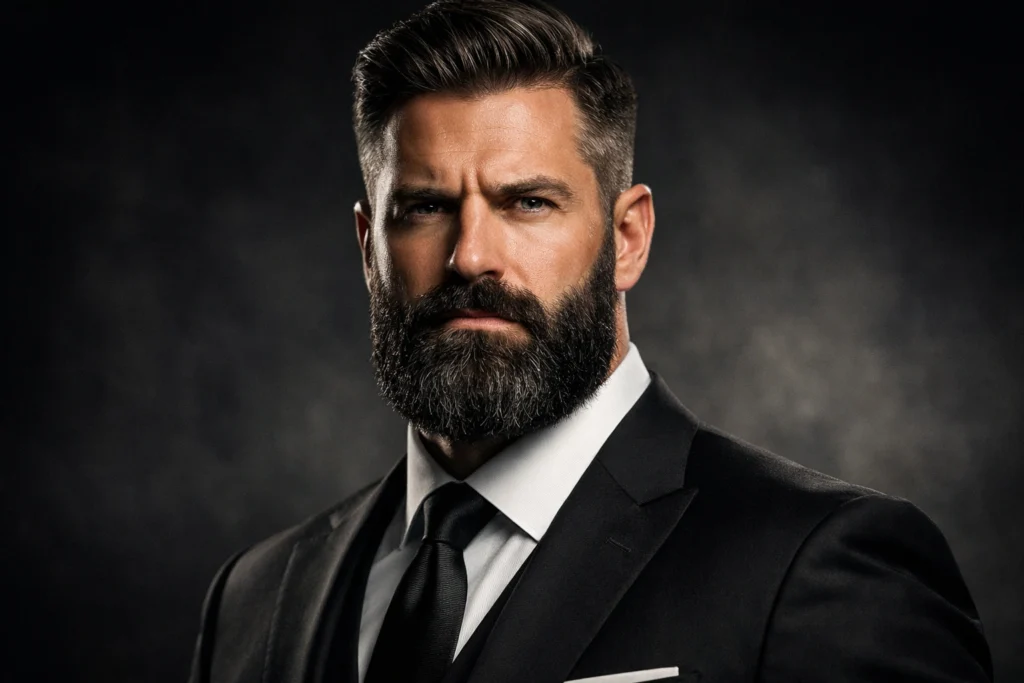
The power beard occupies the ideal middle ground between a short corporate beard and a full length lumberjack beard, featuring thick, dense growth kept at approximately two to four inches with clean structural lines that project authority and substance. It is the beard most associated with men in positions of professional leadership and personal confidence, and it delivers exactly what its name promises.
Men who wear a power beard are making a deliberate statement about their presence and personal identity. Regular barber appointments to maintain the shape, daily brushing to keep the density distributed evenly, and the consistent use of beard oil to keep the longer hair soft and healthy are the maintenance practices that allow this style to perform at the commanding level its name demands.
15. The Balbo Beard
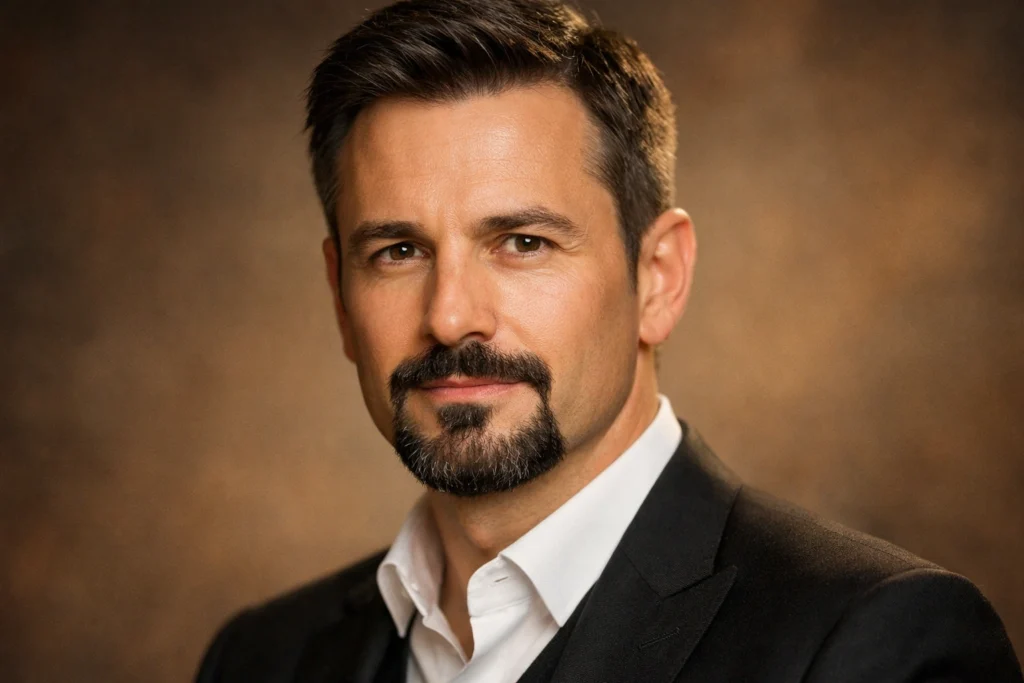
The Balbo beard is a carefully composed configuration featuring a beard on the chin that does not connect to the mustache, with the soul patch left visible and the cheeks kept entirely clean-shaven. It is associated with Robert Downey Jr., whose long tenure wearing this style brought it into widespread cultural visibility, and it continues to be an elegantly sophisticated choice for men with the facial structure to carry its particular geometry.
The Balbo requires consistent precision maintenance to keep all three of its distinct elements, the chin beard, the soul patch, and the mustache, properly defined and individually shaped. A quality precision trimmer and a steady hand are the essential tools for maintaining this style between barber visits. It suits oval and rectangular face shapes best.
16. The Verdi Beard
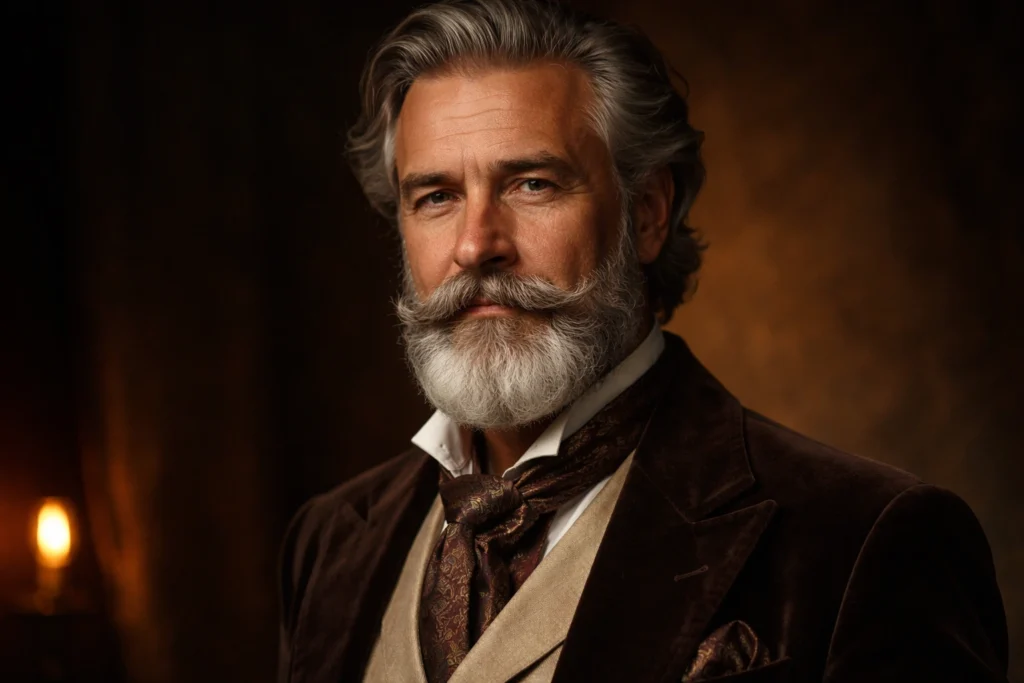
The Verdi beard, inspired by the Italian opera composer Giuseppe Verdi, features a full, rounded beard of medium length combined with a mustache that is kept slightly longer and styled with wax so that its ends gently overhang the beard below. The overall effect is one of distinguished, cultured masculinity with a European elegance that few other styles can match.
This is one of the more demanding timeless beard styles for men to maintain because it requires both a reasonably full beard and the dedication to keep the mustache separately shaped and styled. Men with thick, relatively uniform beard growth across the full face are the best candidates. A quality mustache wax with medium hold is an essential tool in the grooming kit of anyone who commits to this style.
17. The Lumberjack Beard
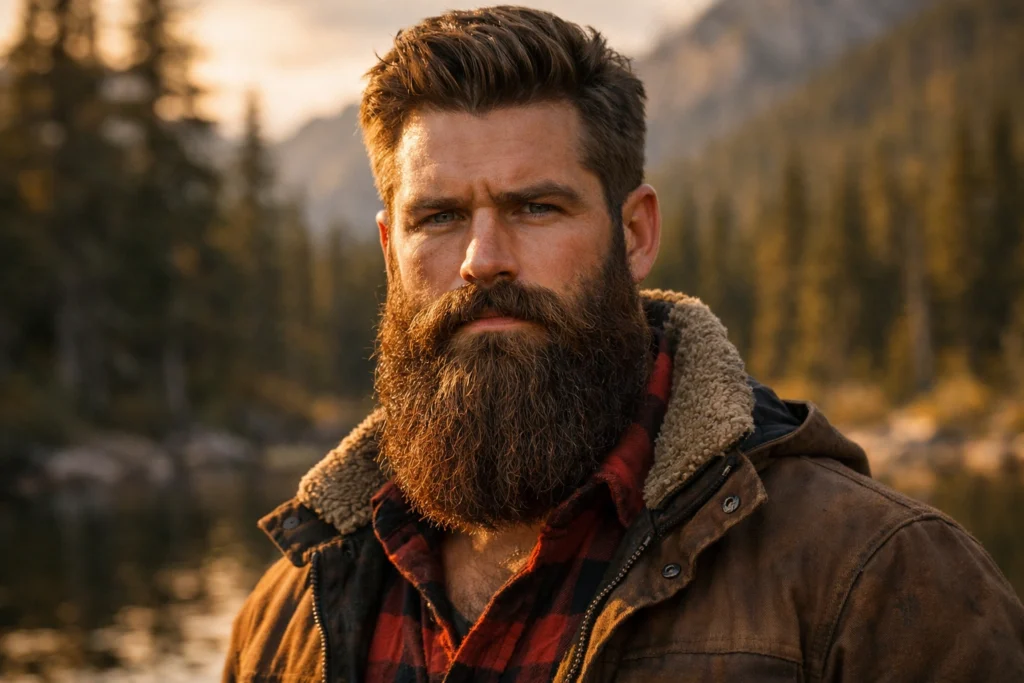
The lumberjack beard is the full beard taken to its most unapologetically rugged expression, long, thick, and cultivated with genuine intention despite its deliberately natural appearance. In 2026, the lumberjack beard is worn by men who understand that appearing effortless requires significant effort behind the scenes. A well-conditioned lumberjack beard is one of the most striking grooming statements a man can make.
Daily beard oil applied generously throughout the longer hair, regular brushing to distribute natural oils and train the growth direction, and periodic trims to remove split ends and maintain the overall shape are the essential practices that distinguish a great lumberjack beard from a neglected one. This style suits men with thick, uniform beard growth and the patience to grow through several months of awkward intermediate length.
18. The Beard Fade
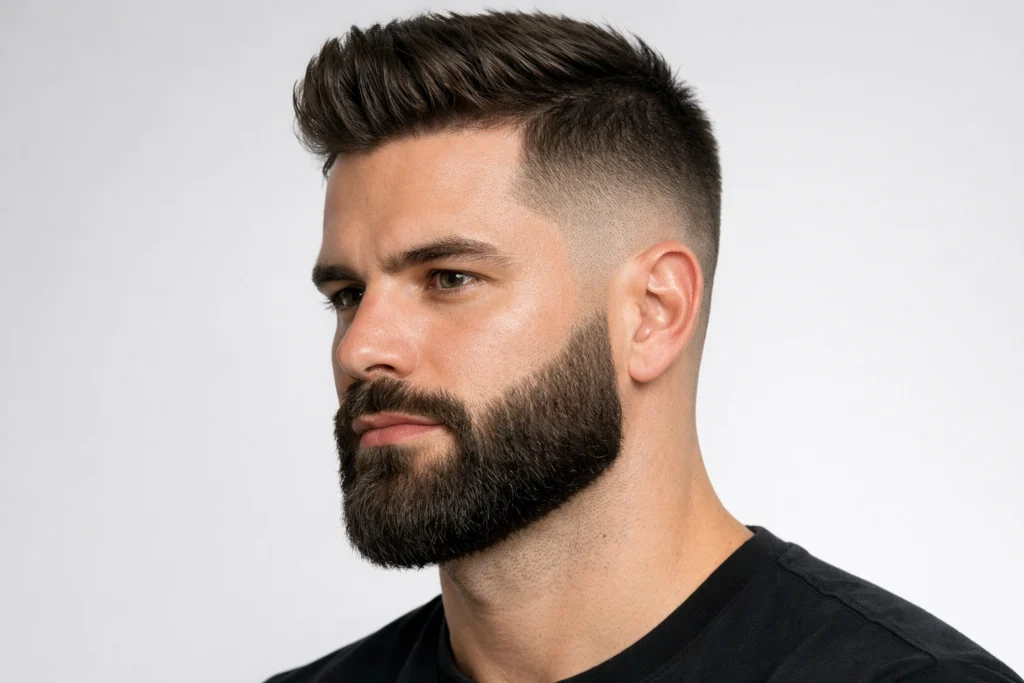
The beard fade is one of the defining grooming trends of 2026 and represents the evolution of traditional beard styling toward a more technically sophisticated and barbershop-influenced aesthetic. It involves a seamless visual transition from the haircut on the sides of the head down into the beard, with the beard itself gradually fading from denser growth at the chin to shorter growth near the temples and cheekbones.
A beard fade requires a skilled barber to execute correctly, as the blending between haircut and beard must be precise and consistent to avoid the harsh lines that would undermine its purpose. It works particularly well with full beards and corporate-length beards, where there is sufficient density to provide a meaningful gradient. The result is a haircut and beard combination that functions as a single unified composition rather than two separate elements.
19. The Viking Beard
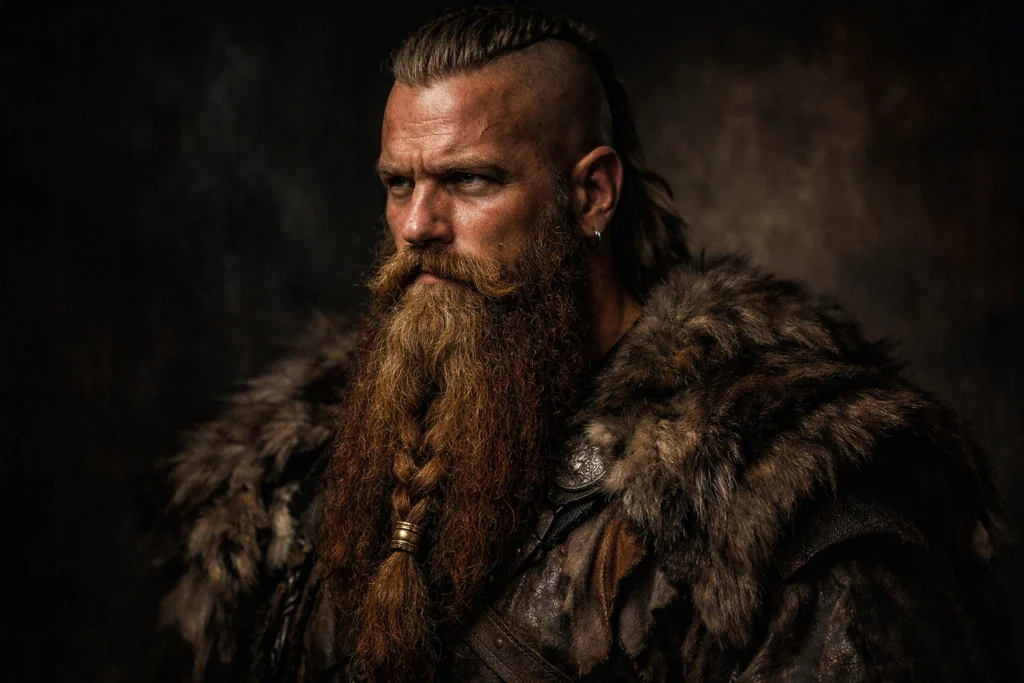
The Viking beard represents the full beard taken to its most historically evocative extreme, long, assertive, and worn with the kind of total commitment that precludes any ambiguity about the wearer’s relationship to his own masculinity. In 2026, the Viking beard continues to attract men who value authentic self-expression over social convenience and who are willing to invest the time and dedication that this level of length genuinely demands.
Growing a Viking beard is a multi-month commitment that requires exceptional daily care. Beard oil must be applied generously every single day to prevent the longer hair from becoming dry, brittle, and prone to breakage. A quality beard brush distributes the oil evenly and trains the growth direction consistently. Periodic trims to maintain the overall shape and remove damaged ends are essential to keeping this remarkable style looking powerful rather than simply large.
20. The Chevron Mustache
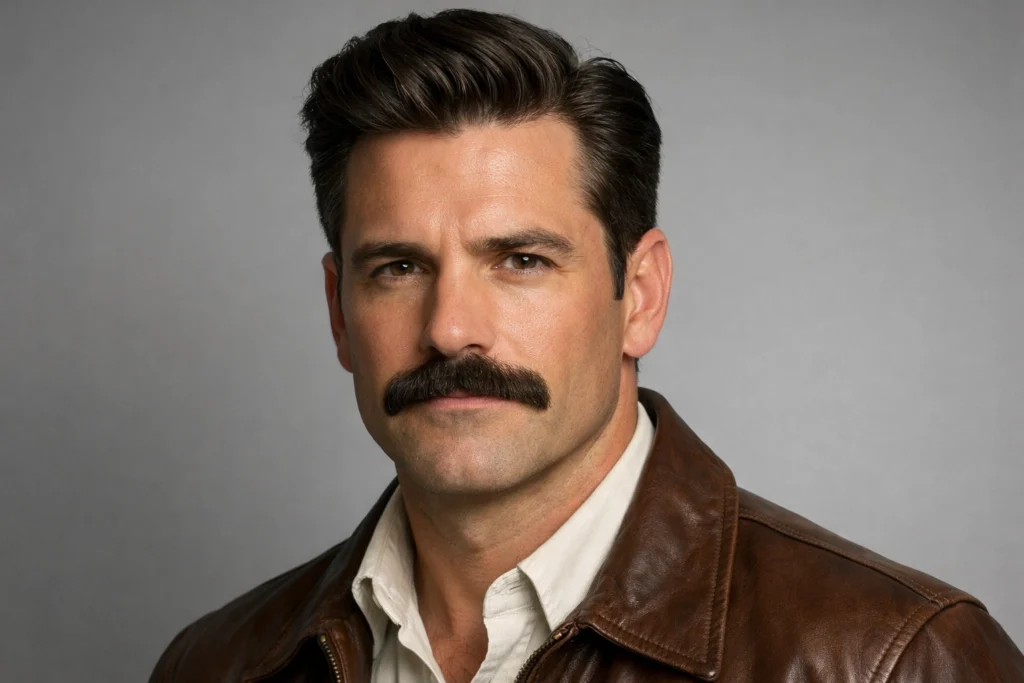
The chevron mustache is the most minimalist of all the timeless beard styles for men covered in this guide, and its power lies entirely in that minimalism. Thick, wide, and shaped to follow the natural contour of the upper lip with a gentle downward angle at the corners, the chevron communicates bold, retro masculinity with a confidence that does not require surrounding beard hair to make its impact felt.
In 2026, the chevron is appearing on men who appreciate the deliberate statement of letting a single well-chosen element carry the entire grooming narrative. Regular trimming prevents the hair from overgrowing the upper lip line, and daily brushing trains the growth downward and outward in the characteristic chevron direction. A small amount of mustache wax applied at the outer edges controls stray hairs. Paired with clean-shaven cheeks and chin, the chevron mustache is the most confidently minimal grooming choice a man can make.
Conclusion
The 20 timeless beard styles for men presented in this guide share a foundational commitment to intention, maintenance, and the honest matching of style to individual character. In 2026, the most admired beards are not the longest, the most heavily sculpted, or the most trend-driven. They are the ones that are chosen with clarity, maintained with discipline, and worn with the kind of genuine confidence that can only come from a man who knows exactly what he wants and why he wants it.
Work with a skilled barber who understands the relationship between facial structure and beard style, invest in quality beard care products suited to your specific hair type and length, and commit consistently to the maintenance routine that your chosen style requires. The result will be a beard that does not merely follow the trends of 2026 but contributes to the lasting impression of a man who has found his own timeless standard.
You may also like this post: Top 20 Classic Beard Styles That Always Look Stylish
Frequently Asked Questions
Which timeless beard style suits a round face shape best?
Men with round faces benefit most from styles that add vertical length and create the impression of a more elongated face. The goatee, extended goatee, Van Dyke beard, and anchor beard are among the most effective choices because they concentrate hair on the chin and create a downward visual emphasis. Full beards kept shorter on the sides and slightly longer at the chin achieve a similar elongating effect. Styles that add significant width to the sides of the face, such as wide mutton chops, are generally less flattering for round face shapes.
How often should a beard be trimmed to maintain a clean, sharp appearance?
The required trimming frequency depends on the specific style and the individual’s rate of beard growth. Short, precisely defined styles such as the boxed beard, corporate beard, and anchor beard typically require trimming every one to two weeks to maintain their clean lines. Fuller styles such as the power beard and Garibaldi may need trimming every three to four weeks. The stubble beard requires the most frequent maintenance, typically every two to three days, to keep it within the narrow length range that defines the style.
What beard care products are essential for maintaining timeless beard styles in 2026?
The three most universally essential beard care products are beard oil, beard balm, and a quality beard brush or comb. Beard oil conditions both the beard hair and the skin beneath it, preventing dryness, flaking, and the brittleness that leads to breakage in longer beards. Beard balm provides light hold, controls flyaways, and adds a layer of conditioning for medium to longer styles. A beard brush distributes products evenly, trains growth direction, and exfoliates the skin beneath the beard. For styles involving a styled mustache, a quality mustache wax is also essential.
Can men with patchy beard growth still wear classic timeless beard styles?
Yes, though the choice of style should reflect the realities of the growth pattern. Styles that concentrate hair in areas of denser natural growth, such as the goatee, extended goatee, and stubble, are the most forgiving and effective choices for men with uneven growth. Styles that depend on full, consistent cheek coverage, such as the full beard and lumberjack beard, are more challenging to wear convincingly with significantly patchy growth. A skilled barber can assess the specific growth pattern and recommend the styles that will look most convincing and flattering for the individual.
What is the most low-maintenance timeless beard style for men in 2026?
The stubble beard is the most low-maintenance option in terms of styling effort and product use, requiring only a trimmer set to a consistent guard length every two to three days and occasional application of a light moisturizer or beard oil to the skin beneath. Among longer styles, the full beard and power beard are relatively low-maintenance compared to more precisely sculpted styles such as the Van Dyke, anchor beard, and Balbo, which require regular precision trimming to preserve their defining geometric characteristics.
1 Comment