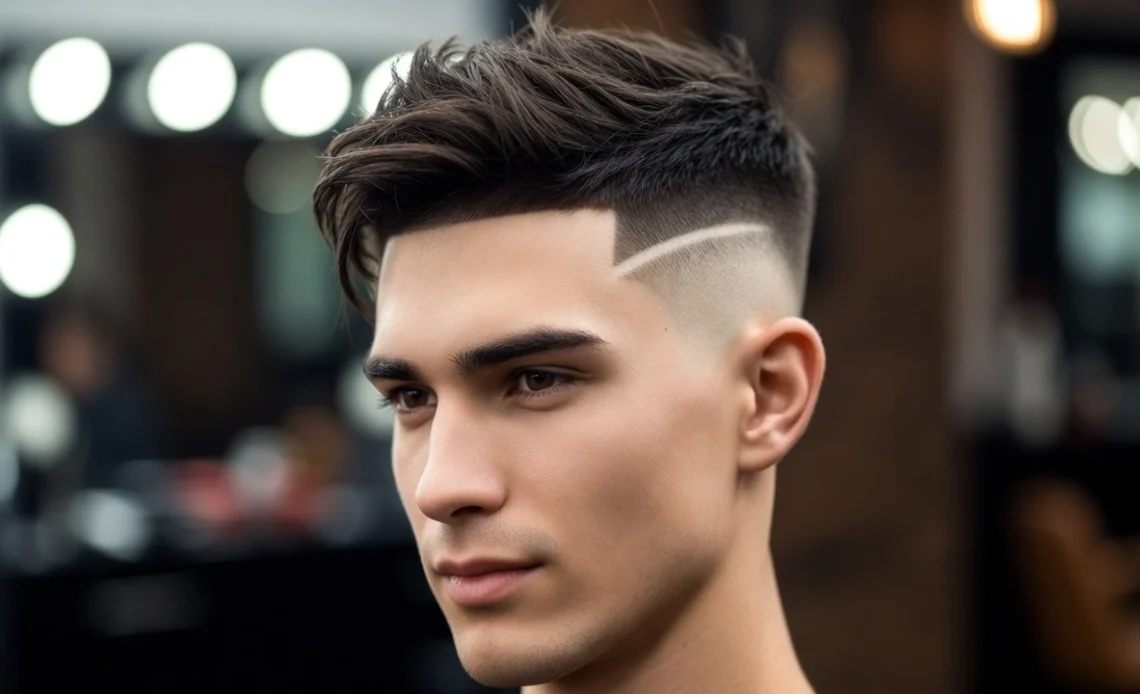
Few hairstyles carry the architectural boldness and cultural staying power of the disconnected undercut. Since its rise in mainstream barbering culture, it has continuously evolved, absorbing new influences, adapting to different hair types, and proving that a single structural concept can sustain dozens of distinct expressions. In 2026, the disconnected undercut hairstyles conversation is more dynamic than ever, with men across all ages and backgrounds embracing the sharp contrast between closely clipped sides and longer, expressive tops.
What defines a disconnected undercut is precisely that disconnection. Unlike a fade, which creates a gradual and blended transition from short to long, the disconnected undercut features an abrupt separation between the two lengths. There is no softening of the boundary. The line where short meets long is visible, intentional, and bold. That deliberate contrast is what makes this style so visually powerful and so widely sought after in modern barbershops around the world.
This guide presents 20 of the most compelling disconnected undercut hairstyles trending in 2026, with style notes, hair type guidance, and the insight needed to wear each look with confidence.
The Classic Hard Part Disconnected Undercut
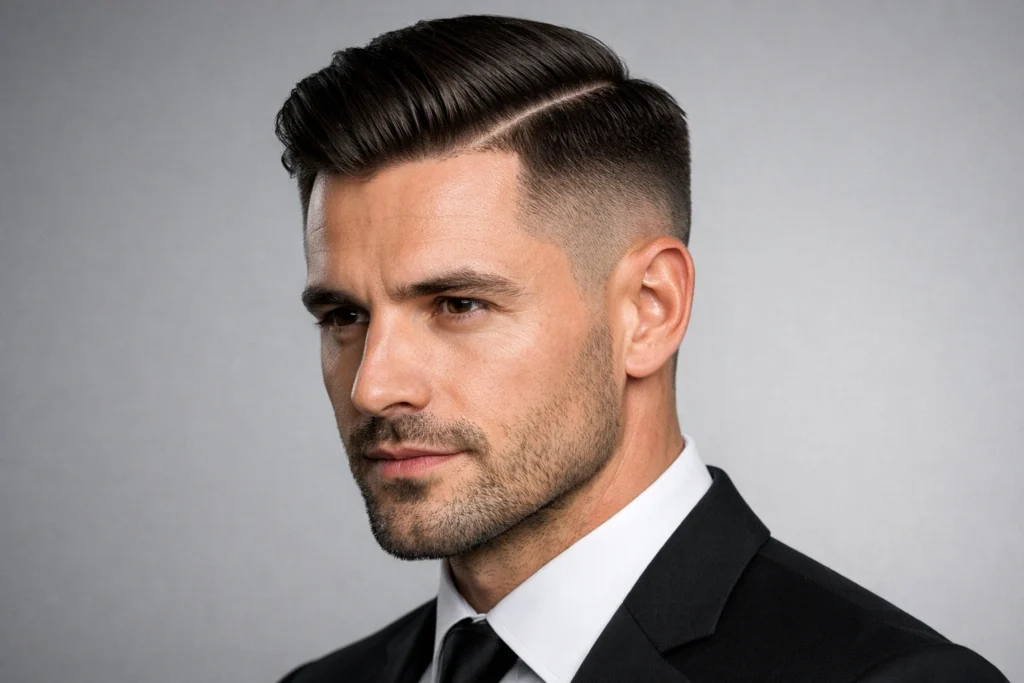
The hard part disconnected undercut is the foundational version of the style, and it remains one of the most requested cuts in contemporary barbering. A razor-etched line creates a visible part on one side, clearly delineating the longer top from the closely cropped sides. The top is typically combed or styled to one side, creating a swept, polished appearance that sits comfortably in both professional and social environments.
This version of the disconnected undercut works exceptionally well for men with straight or slightly wavy hair. The defined part adds a layer of precision to the overall look, elevating it from casual to considered. A medium hold pomade with a natural finish is the ideal styling product for maintaining the part’s definition throughout the day.
The Slicked Back Disconnected Undercut
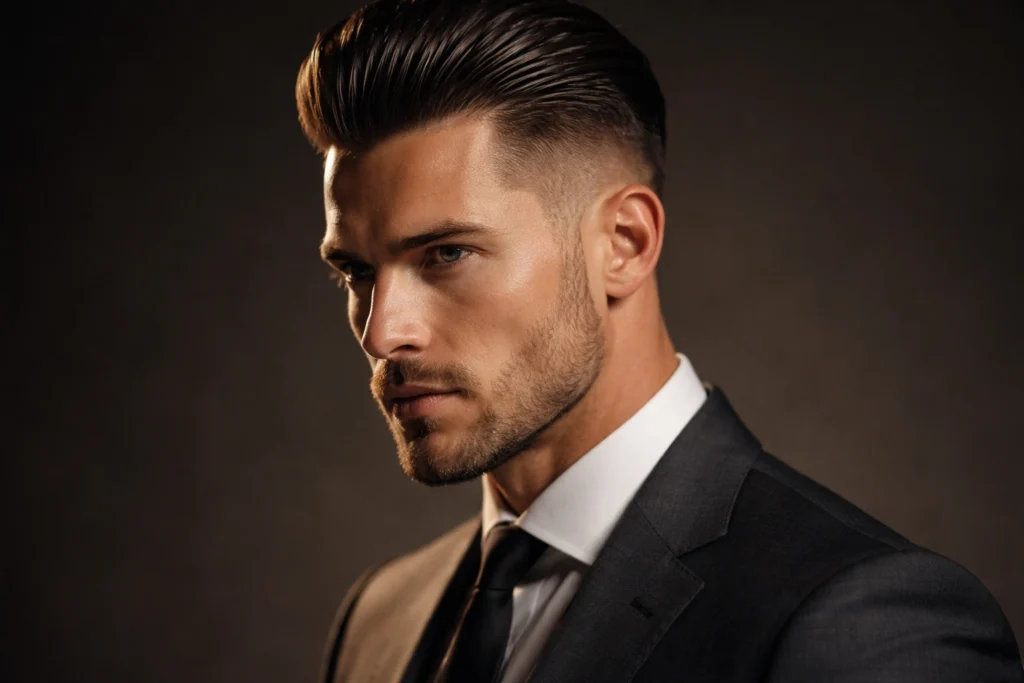
The slicked back disconnected undercut is among the most enduringly popular variations of the style and continues to dominate in 2026. The top section is combed or styled straight back from the forehead, creating a smooth, controlled surface that contrasts sharply with the closely shaved sides beneath the disconnection line. The effect is simultaneously vintage and modern, evoking old Hollywood composure while delivering unmistakably contemporary edge.
This look suits men with oval and rectangular face shapes particularly well, as the backward direction of the hair adds length without excessive width. A shine pomade applied to damp hair and combed through before blow-drying delivers the sleek finish that defines this style at its best.
The Textured Crop Disconnected Undercut
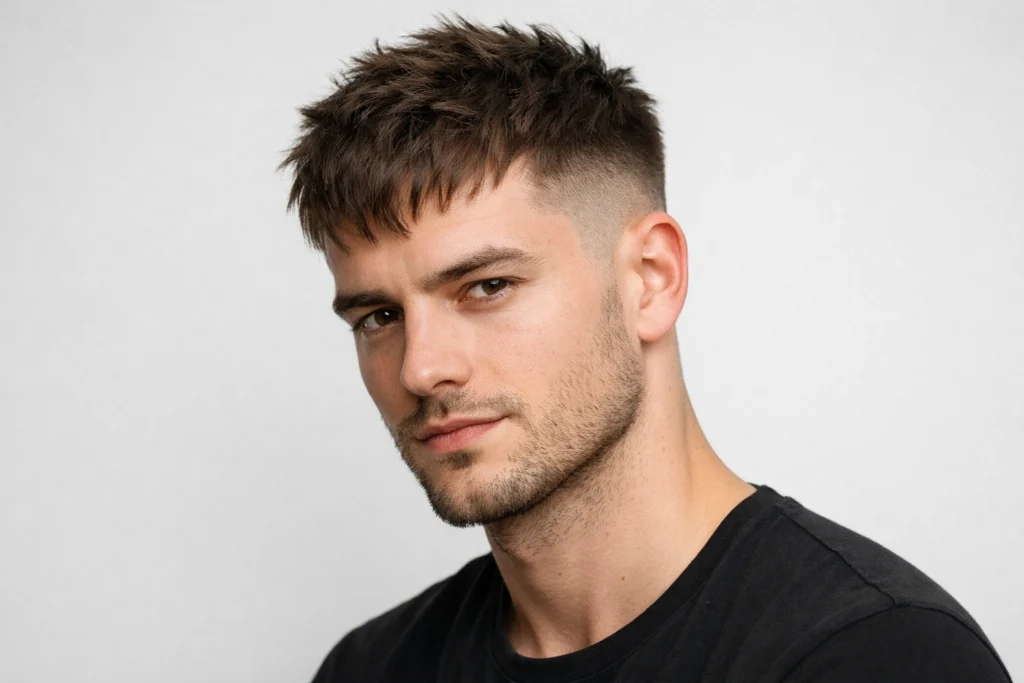
Texture has become one of the defining characteristics of men’s hairstyling in the current era, and the textured crop disconnected undercut perfectly captures that priority. The top is kept relatively short but with deliberate layers and choppy point cutting that create visible movement and dimension. The sides are clipped close with a sharp line of disconnection that frames the textured top with structural clarity.
This variation suits men who prefer a more relaxed, low-effort aesthetic without sacrificing sharpness. Styling requires only a small amount of matte paste or clay worked through damp hair with the fingers, allowing the natural texture to animate the look. It is one of the most low-maintenance disconnected undercut styles available and works across most face shapes.
The Disconnected Undercut With Pompadour
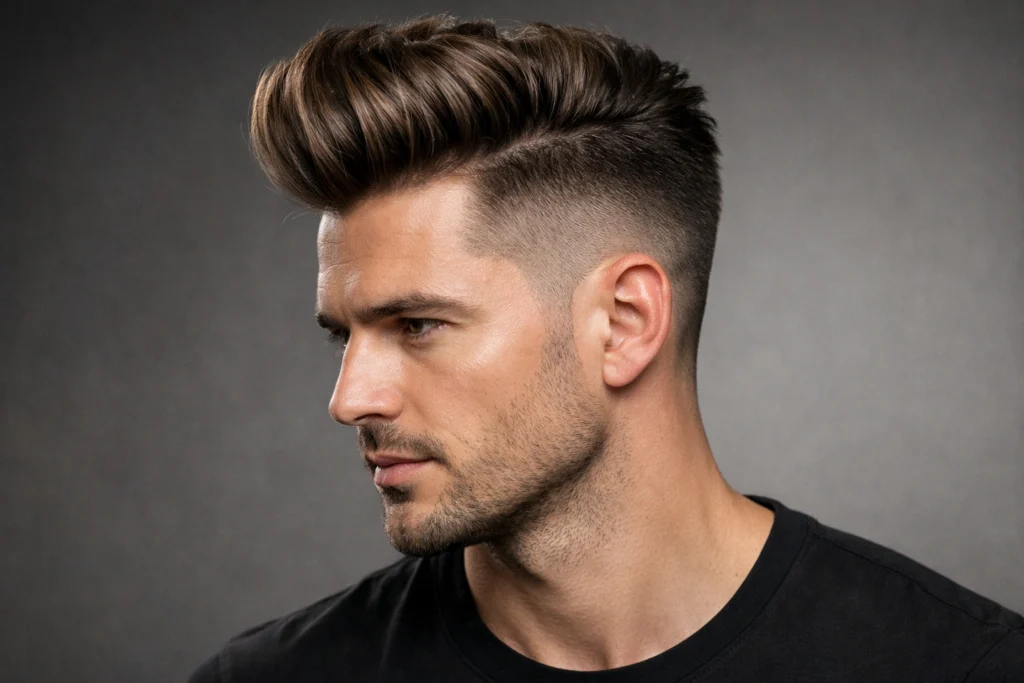
The pompadour top is one of the most naturally compatible pairings for the disconnected undercut because both elements share an emphasis on volume and architectural shape. The hair at the front is styled upward and backward, creating height that draws the eye up and creates a dramatic silhouette. The disconnected sides provide the structural contrast that prevents the pompadour from appearing top-heavy.
In 2026, the disconnected pompadour undercut is appearing in slightly softer, more relaxed versions than its predecessors, with less extreme height and a more natural finish that suits a wider range of settings. A lightweight volumizing product applied before blow-drying provides the lift needed without rigidity.
The Disconnected Undercut With Quiff
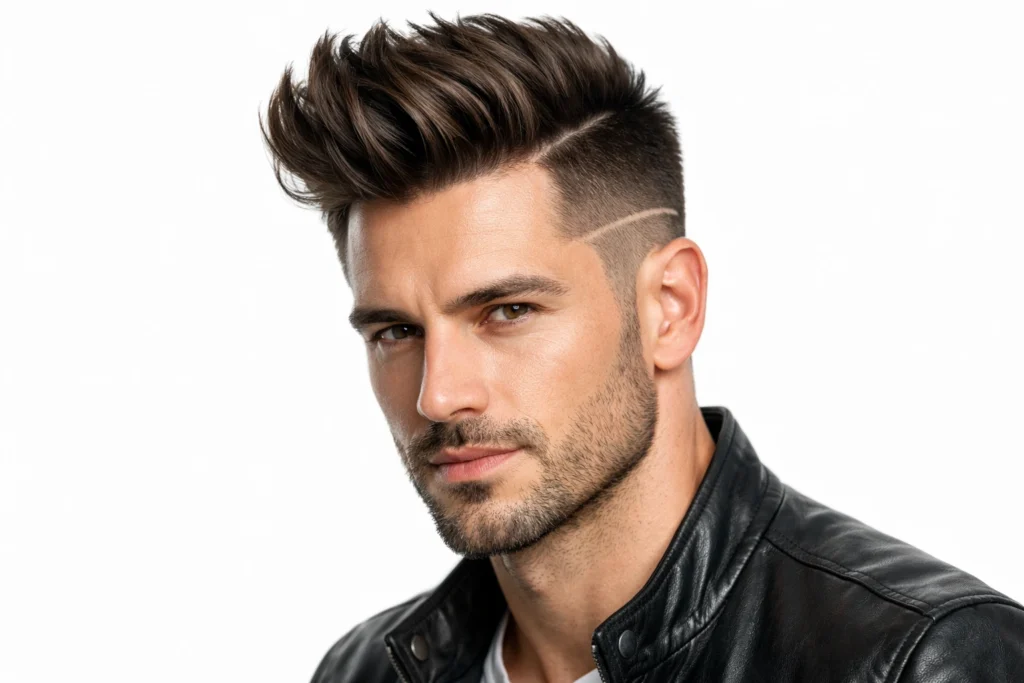
The quiff offers a slightly more understated alternative to the pompadour while still delivering the upward volume and forward presence that makes a haircut genuinely striking. Combined with a disconnected undercut, it creates a look that is energetic and well-groomed simultaneously. The front section is swept upward and slightly back, and the sides are clipped with the abrupt disconnection that gives this style category its name.
The disconnected quiff undercut is particularly effective for men with thicker hair, where the density of the top section provides enough substance to hold the upward styling direction. It translates equally well to both casual and professional environments, making it one of the most versatile entries in the disconnected undercut hairstyles lineup.
The Disconnected Undercut Fade
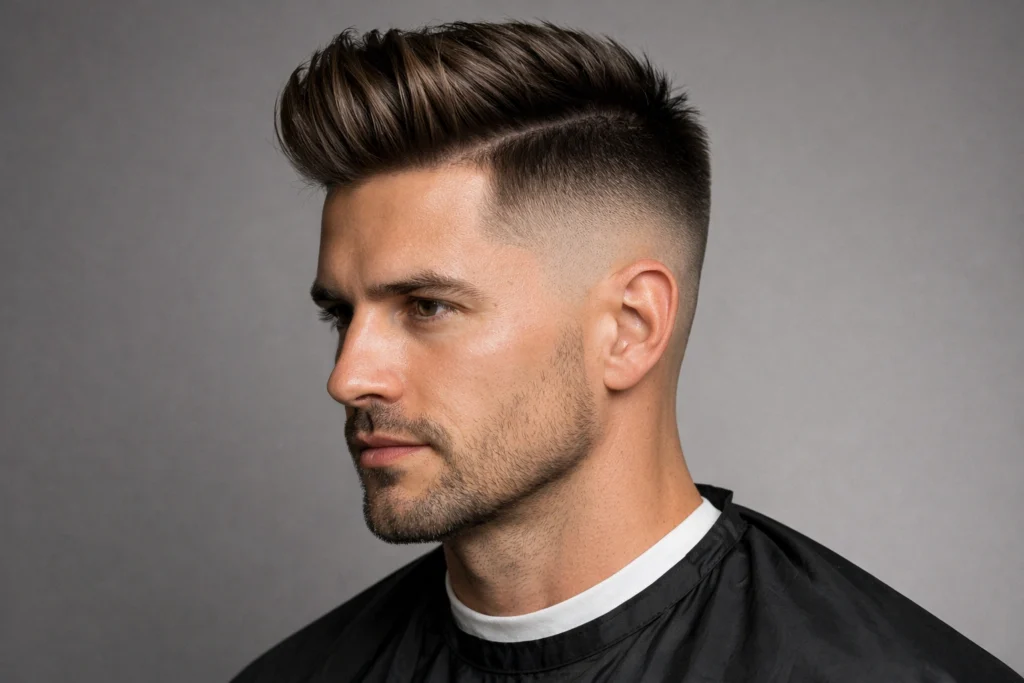
The disconnected undercut fade takes the concept of the disconnected undercut and introduces a fade on the sides that blends down to the skin while maintaining the clear line of separation from the top. The result is a style that combines the sharp contrast of the disconnected undercut with the refined finish of a professional fade, producing a look that is simultaneously bold and polished.
This variation suits men who want the visual impact of a disconnected undercut with a slightly more finished and sculpted quality to the sides. The fade can be positioned low, mid, or high depending on the desired proportion, and the top can be styled in any direction that suits the individual’s face shape and personal preference.
The Side Swept Disconnected Undercut
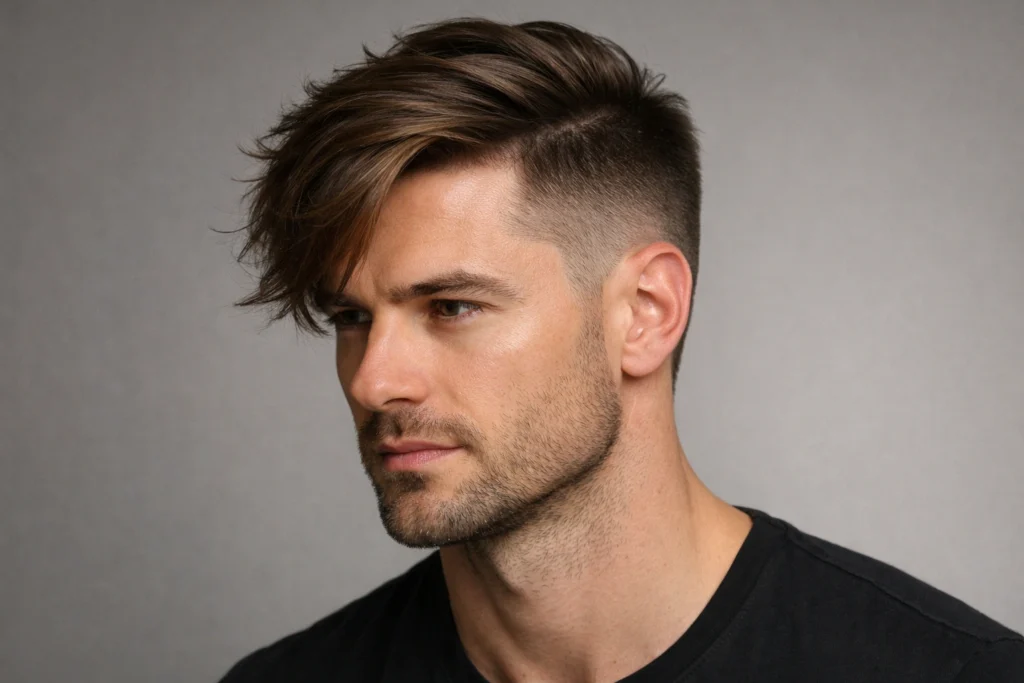
The side swept disconnected undercut directs the longer top hair across the forehead and to one side, creating a sweeping movement that adds dynamism to the overall silhouette. It differs from the hard part version in that it is less rigidly defined, with the hair allowed to fall with a more natural, organic quality rather than being precisely combed into a part.
This is one of the most universally flattering disconnected undercut hairstyles because the diagonal sweep of the top hair can be adjusted to work with different face shapes and hairlines. Men with higher foreheads can use the sweep to create the impression of a lower brow line, while men with wider faces benefit from the directional movement that narrows the visual width of the upper face.
The Disconnected Undercut With Curly Hair
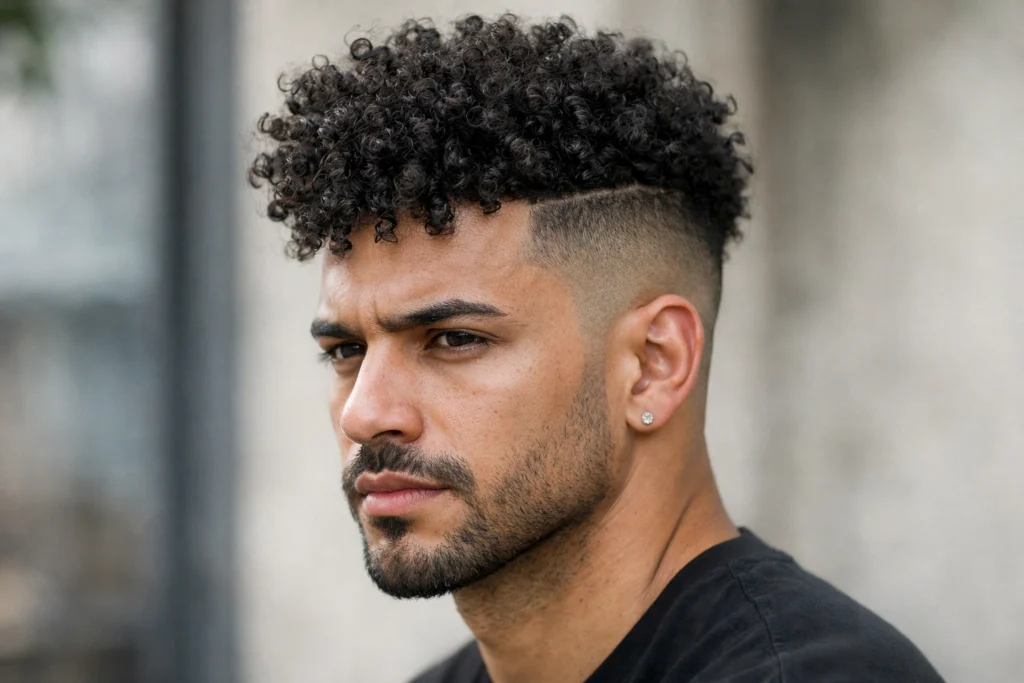
For men with naturally curly or coily hair, the disconnected undercut offers a particularly powerful effect. The tightly coiled or loosely curled top section, given room to express its full texture and volume, sits in dramatic contrast to the closely clipped or shaved sides beneath the disconnection line. The result is a look that celebrates natural texture while providing the structural definition that keeps the style from appearing uncontrolled.
Managing curl definition on the top section requires a curl-specific cream or mousse applied to damp hair, followed by diffusing or air drying to allow the coils to set without disruption. The sides should be maintained with regular visits to the barber to keep the disconnection line sharp and the contrast clear.
The Disconnected Undercut With Wavy Hair
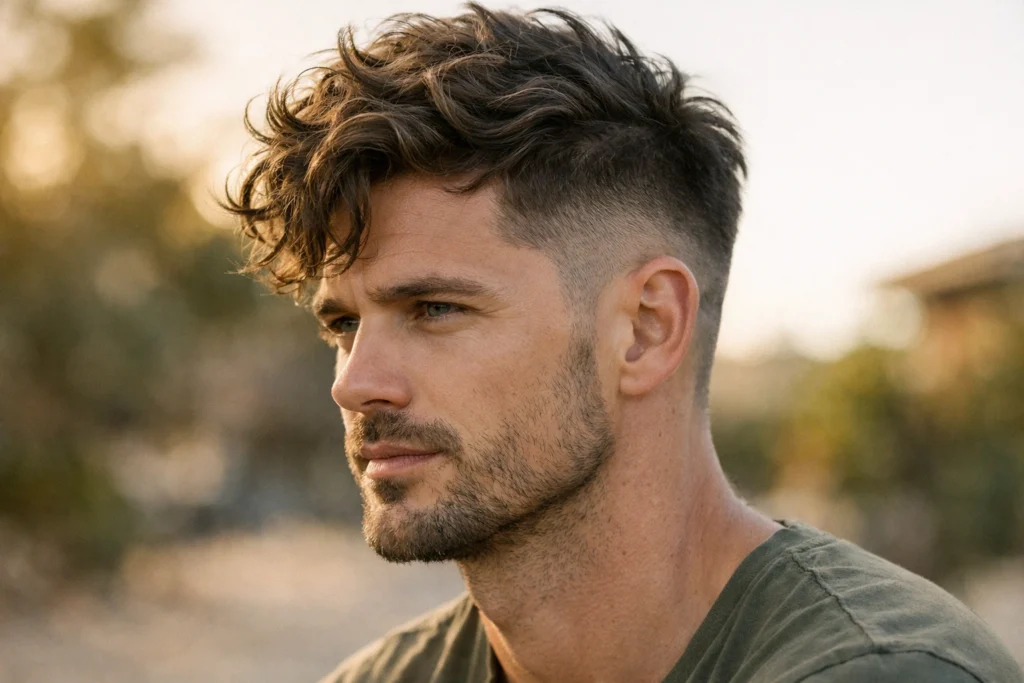
Disconnected Undercut Hairstyles
Wavy hair and the disconnected undercut are one of the most naturally harmonious pairings in men’s hairstyling. The wave of the top section adds organic movement and texture that animates the look without requiring additional product or effort. Whether the hair is swept back, side parted, or left to fall forward with a slight fringe, the wave creates a softness that contrasts beautifully with the hard disconnection line below.
A sea salt spray applied to damp hair and allowed to air dry is the simplest way to enhance natural wave on the top section of a disconnected undercut. The resulting texture is effortless and genuine, which is precisely what makes this combination so consistently appealing.
The Long Top Disconnected Undercut
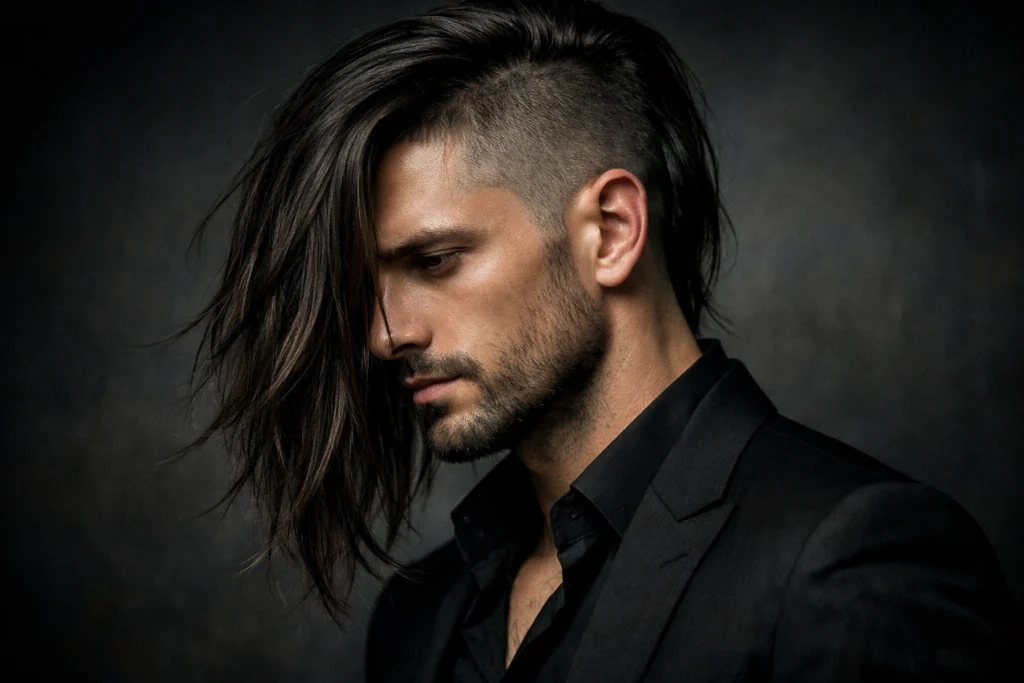
For men who have maintained significant length on top, the long top disconnected undercut creates one of the most dramatic contrasts available within this style category. Hair that reaches the chin or beyond falls over shaved sides with a visual impact that is unmistakably bold. This is the version of the style associated with musicians and creative professionals who wear their individuality openly.
Keeping long top hair in excellent condition is essential to making this look work. Regular conditioning treatments and periodic trims to remove split ends prevent the length from appearing neglected. A lightweight styling oil applied to dry hair adds healthy sheen without weight and enhances the visual quality of the contrast between long flowing top and closely cropped sides.
The Disconnected Undercut With Man Bun
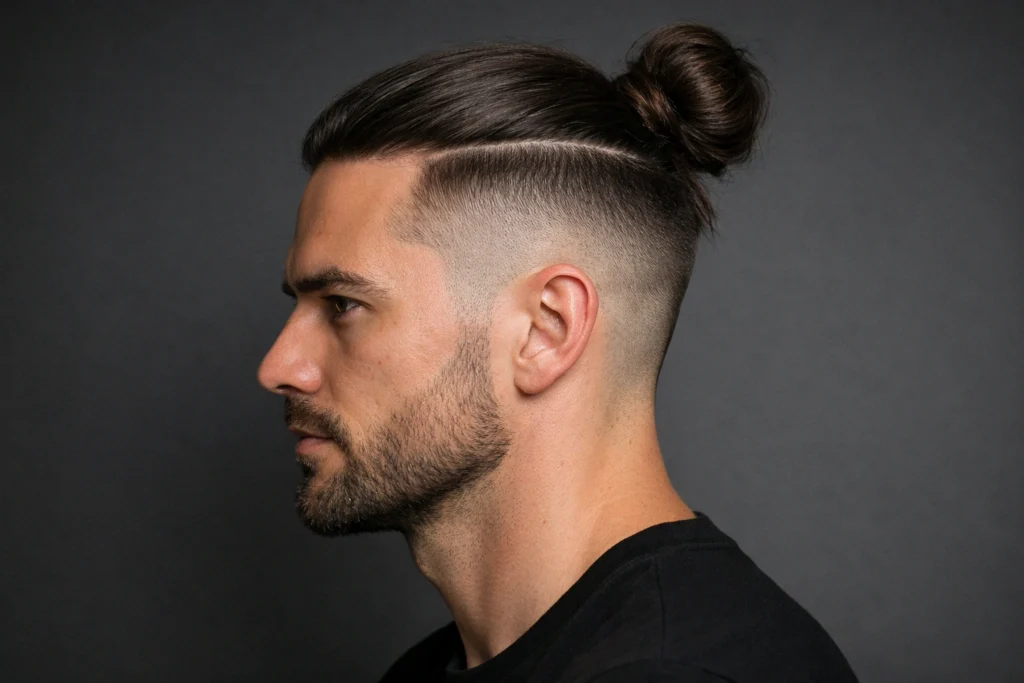
The man bun disconnected undercut has established itself as a signature look for men who want to wear longer hair with a structured, contemporary framework. The top section is gathered and tied into a bun at the crown, while the sides are clipped with a clear disconnection line that gives the overall silhouette a sharp, intentional quality. The contrast between the neat bun and the closely cropped sides is visually compelling and easy to maintain.
This style works best for men with enough top length to gather a bun without stragglers falling around the face. A small amount of smoothing cream applied before gathering the hair keeps the look polished rather than hurried. The disconnection line should be refreshed regularly at the barber to maintain the clarity of the contrast.
The Disconnected Undercut With Faux Hawk
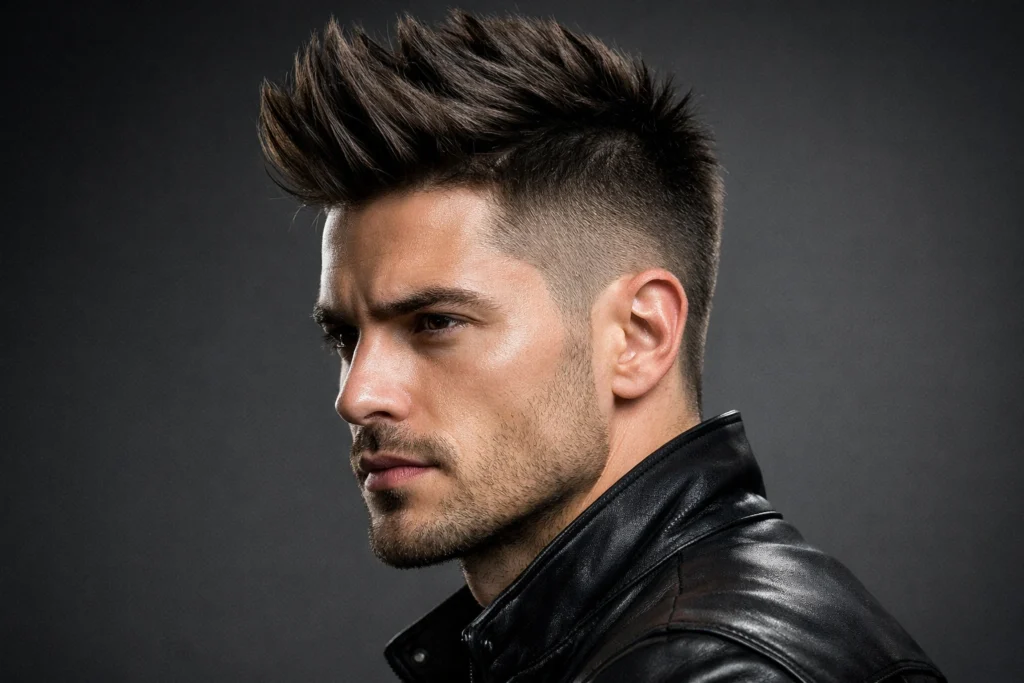
The faux hawk and the disconnected undercut share a structural philosophy, both emphasizing height and central volume against closely cropped sides. When the two are combined, the result is a look that is emphatically modern and deliberately assertive. The hair on top is styled upward along the central ridge of the head, creating a soft Mohawk shape without the full commitment of a shaved-side Mohawk.
The disconnected sides frame the central styling direction with precision, making the faux hawk shape appear more architectural and less casual than it would with faded sides. A strong hold matte product applied to damp hair and blow-dried upward creates the volume and structure needed to carry this look through a full day.
The Messy Textured Disconnected Undercut
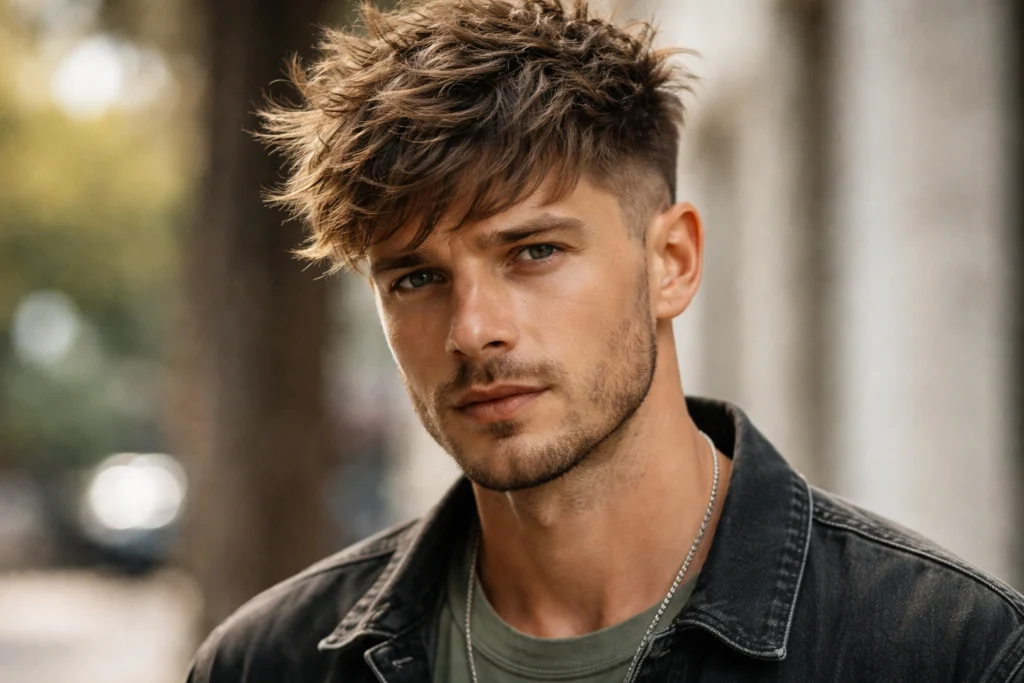
Not every disconnected undercut needs to be precise and polished. The messy textured version embraces a deliberately undone quality on the top, with hair that appears tousled, wind-swept, or casually disrupted. The sides remain tightly clipped with the signature disconnection line, and the contrast between the structured base and the free-form top creates a tension that reads as effortlessly cool.
This style suits men with naturally thick or slightly coarse hair, as the density provides the substance needed to carry the messy styling without appearing flat or shapeless. Finger-styling with a matte clay or paste is the most natural approach, working the product through towel-dried hair and shaping by hand rather than with a comb or brush.
The Disconnected Undercut With Design
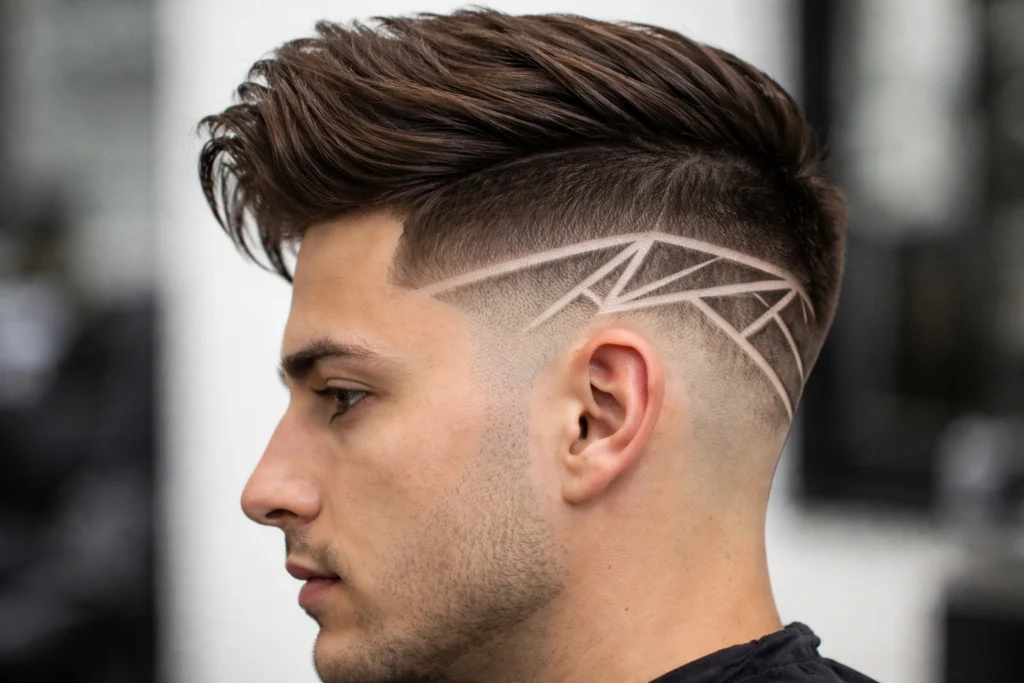
For men who want to take their disconnected undercut beyond conventional barbering into genuine artistry, a custom design shaved into the closely clipped sides adds a level of individual expression that transforms the haircut into a personal statement. Geometric lines, simple patterns, or abstract shapes etched into the skin-close sides using a straight razor or detail trimmer create a visual element that is entirely unique.
The design element works best when it is placed along or just below the disconnection line, where it can interact visually with the longer top section above it. Because shaved designs grow out within two to three weeks, this approach requires a regular barber relationship to maintain its precision and impact.
The Disconnected Undercut for Thin Hair
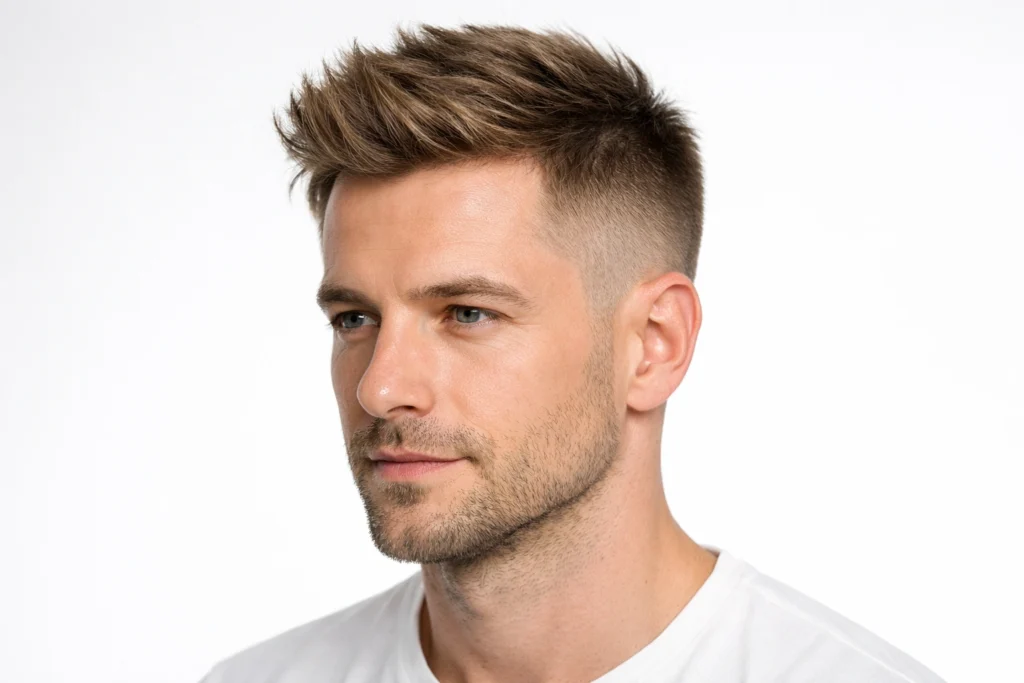
Thin or fine hair need not disqualify a man from wearing a disconnected undercut. In fact, the right execution of this style on thin hair can create an impression of significantly greater density than actually exists. Keeping the top section short to medium in length prevents fine hair from appearing wispy, while the closely clipped sides create a visual contrast that draws attention upward to the top rather than to the overall thinness of the hair.
Volumizing products applied before blow-drying, combined with a matte finish paste for texture after drying, produce the most convincing impression of fullness on fine hair. The disconnection line should remain sharp, as a precise boundary between the two sections compensates visually for what the hair itself may not provide in natural density.
The Disconnected Undercut With Beard
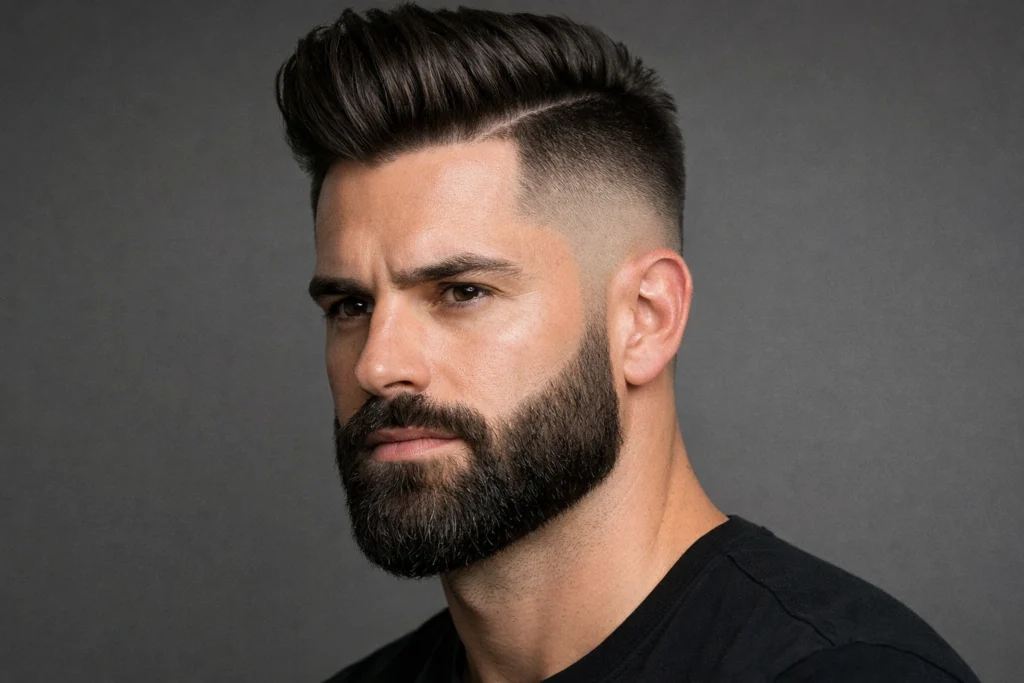
Few combinations in contemporary men’s grooming deliver the complete, cohesive aesthetic impact of a disconnected undercut paired with a well-maintained beard. The beard extends the visual structure of the cut downward from the face, creating a unified frame for the facial features that reads as thoroughly considered. Whether the beard is kept short and sculpted or allowed to grow fuller and longer, it should be shaped to complement the proportions of the haircut above it.
A sharp fade on the sides is particularly effective when paired with a beard, as it creates a seamless visual flow from the haircut into the beard line. The disconnect between the top and the sides remains intact and visible, but the beard below anchors the entire look with masculine completeness that makes this combination one of the most popular in barbering in 2026.
The Disconnected Undercut With Middle Part
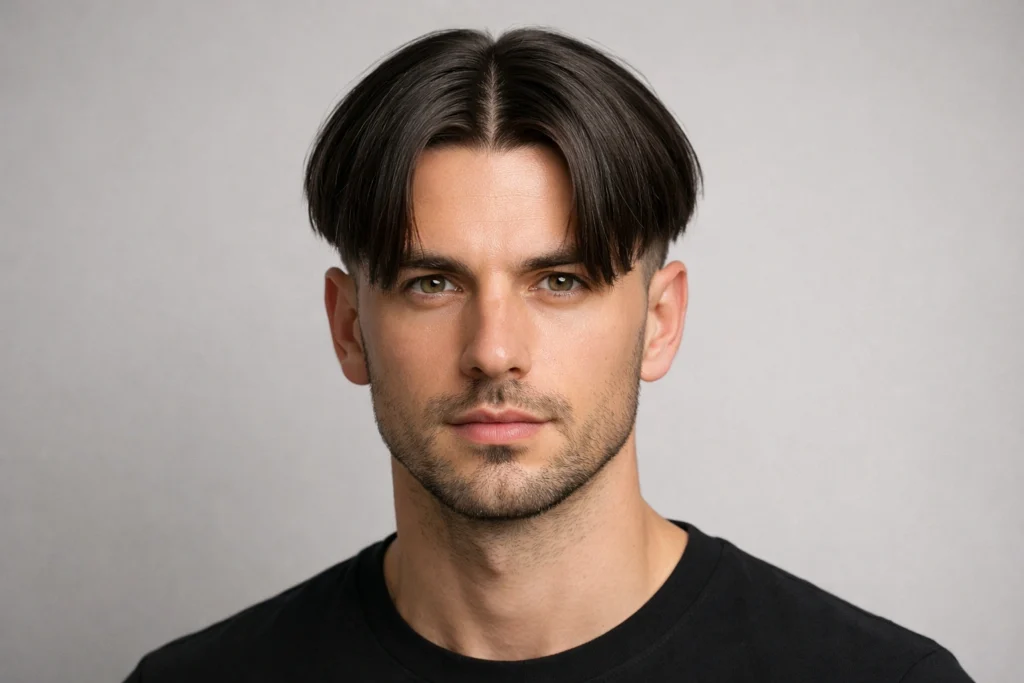
The middle part has returned as a significant styling direction for men in recent years, and its application within the disconnected undercut context produces a look that feels both nostalgic and current. The top section is divided down the center and allowed to fall to either side, creating a curtain-like framing of the face that contrasts with the tightly disconnected sides. The symmetry of the middle part adds a considered, almost architectural quality to the overall silhouette.
This variation requires enough length on the top section to fall convincingly to each side without the hair appearing too short to commit to the direction. A lightweight leave-in or styling cream applied to damp hair before allowing it to air dry produces the most natural and relaxed version of this look.
The Disconnected Undercut With Hard Line
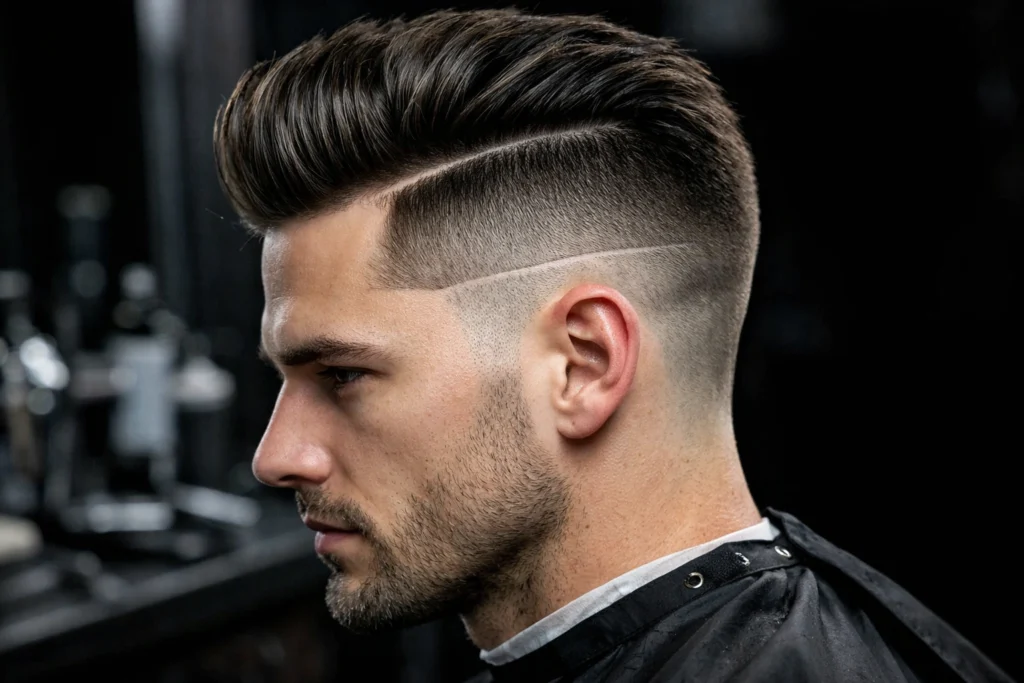
The hard line disconnected undercut takes the inherent precision of the style to its most deliberate extreme by razor-etching a clean, visible line directly along the point of disconnection. This line, sometimes called a surgical line or a shaved part, serves as an architectural boundary that defines the border between the top and sides with unmistakable clarity. It is the most sharply defined version of the disconnected undercut and suits men who appreciate precision in their grooming.
The hard line requires a skilled barber with experience in straight razor work to execute cleanly and to maintain over successive visits. When done well, it adds a layer of craftsmanship to the cut that elevates the overall look from well-groomed to genuinely exceptional.
The Disconnected Undercut With Taper
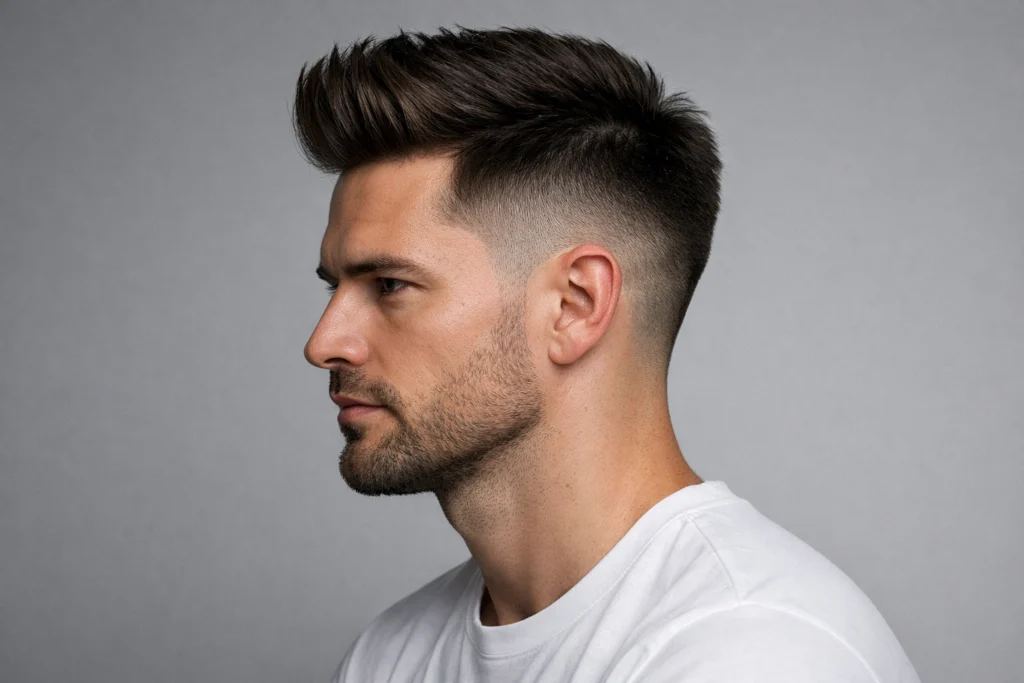
The tapered disconnected undercut introduces a softer element into the otherwise stark contrast of the classic version. Rather than clipping the sides to a uniform close length all the way around, the taper creates a gradual shortening from the ear down to the nape that softens the back of the head while maintaining the sharp disconnection at the temples and sides. The result is a style that retains the boldness of the disconnected undercut while offering a slightly more refined silhouette overall.
This version of the style suits men who want the visual impact of a disconnected undercut with a slightly more conservative quality that transitions well across formal and informal settings. The taper at the back requires a skilled barber’s hand to keep it clean and proportionate relative to the disconnection above.
The Disconnected Undercut With Skin Fade
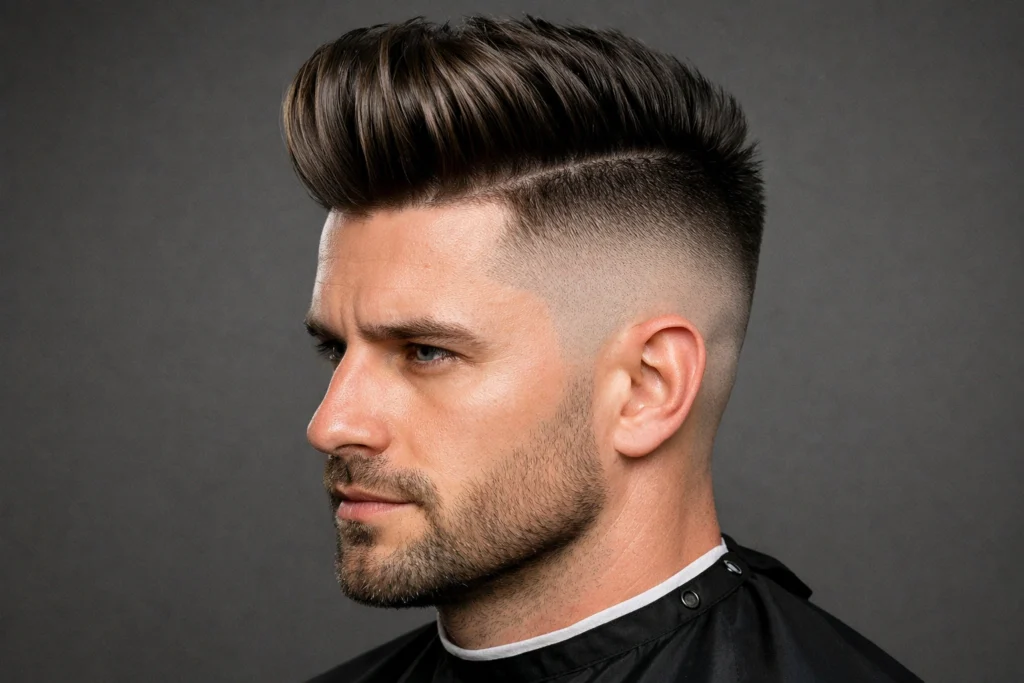
The skin fade version of the disconnected undercut takes the sides all the way down to bare skin, creating the maximum possible contrast between the closely shaved sides and the longer top. This is the most visually dramatic entry in the disconnected undercut hairstyles category and suits men who want a look that makes no attempt at subtlety.
The skin fade requires the most frequent barber maintenance of all the variations covered here, as the closely shaved sides begin to show regrowth within one to two weeks. For men who visit the barber regularly and enjoy the ritualistic quality of maintaining a high-precision cut, the skin fade disconnected undercut delivers a level of sharpness and visual impact that no other variation can match.
Conclusion
The disconnected undercut hairstyles that define 2026 demonstrate that a single structural concept can generate an almost limitless range of individual expressions. From the classic hard part to the skin fade, from the man bun to the messy texture, every variation in this guide shares the same foundational principle of deliberate, unapologetic contrast. That contrast is what gives this style its power and its longevity.
The best version of the disconnected undercut is always the one that suits your face shape, your hair type, your lifestyle, and your personal character. Work with a skilled barber who can execute the style with precision, invest in quality products suited to your hair texture, and maintain your chosen variation with regular visits to keep the disconnection line sharp. The result will be a look that is as bold and current as the style itself.
You may also like this post: 20 Contemporary Hairstyles for 50-Year-Old Men
Frequently Asked Questions
What is the difference between a disconnected undercut and a fade?
A disconnected undercut features an abrupt, visible separation between the closely clipped sides and the longer top, with no gradual blending between the two lengths. A fade, by contrast, creates a smooth and progressive transition from short to long, blending seamlessly rather than disconnecting sharply. The disconnected undercut is bolder and more architecturally defined, while the fade offers a softer, more blended finish.
What face shapes suit disconnected undercut hairstyles best?
Oval and rectangular face shapes are the most naturally compatible with the disconnected undercut, as the high contrast of the style adds visual structure without distorting the face’s proportions. Square face shapes can also carry the look well, particularly when the top section is styled with some height. Round faces benefit most from versions that add vertical height on top, such as the quiff or pompadour variation, which elongate the face’s appearance.
How often should a disconnected undercut be maintained at the barber?
Most disconnected undercut styles require a barber visit every two to three weeks to keep the sides clean and the disconnection line sharp. The top section grows more slowly relative to the sides and may need trimming every four to six weeks depending on the desired length and style. Skin fade versions require the most frequent maintenance, often weekly or biweekly, to prevent regrowth from softening the effect.
What styling products work best for a disconnected undercut?
The best product depends on the desired finish and hair type. Matte paste or clay works well for textured, natural-looking styles and suits most hair types. A shine pomade is the ideal choice for slicked back or side-parted versions that require a polished finish. Sea salt spray is excellent for enhancing natural wave or texture before blow-drying. Volumizing mousse applied to damp hair before styling helps men with fine or thin hair achieve greater apparent density on the top section.
Can men with thinning or fine hair wear a disconnected undercut?
Yes. The disconnected undercut can actually be a strategically beneficial choice for men with thinning or fine hair. Keeping the top section at a short to medium length prevents fine hair from appearing wispy, while the sharp contrast of the disconnected sides draws attention to the top rather than to the overall hair density. Choosing matte products over shiny ones also helps fine hair appear fuller and more textured. A skilled barber can recommend the specific proportions that will be most flattering for the individual’s degree of thinning.
1 Comment