Introduction
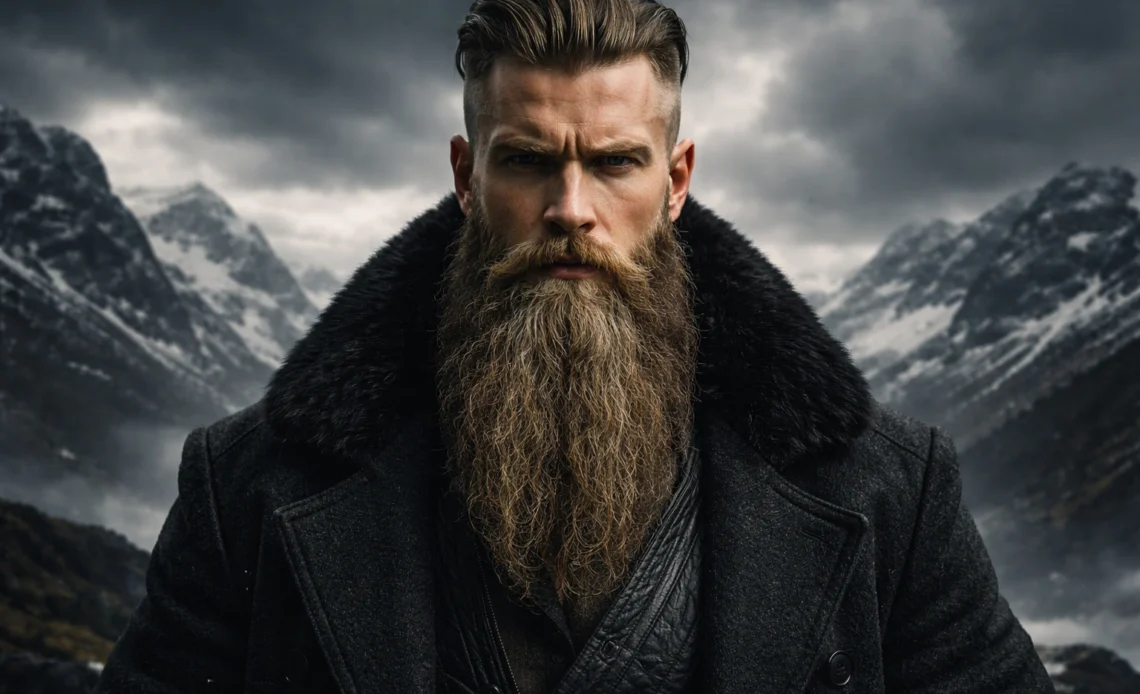
Few grooming styles carry as much cultural weight, raw masculine energy, and visual impact as the Viking beard. Rooted in the ancient Norse traditions of the 8th through 11th centuries, Viking beard styles were worn by warriors, chieftains, and explorers who understood that their appearance communicated power, identity, and status long before a single word was spoken. What began on windswept Scandinavian shores has traveled across centuries and arrived squarely in the modern barbershop, stronger and more relevant than ever.
In 2026, Viking beard styles are not a costume choice or a passing fad. They represent a deliberate grooming philosophy built on volume, shape, and disciplined care. Modern men who wear Viking-inspired beards do so as a statement of individuality, confidence, and a connection to something timeless. Whether you prefer the dramatic impact of a fully braided beard reaching the chest or the understated strength of a short, cropped Viking style, this category of facial hair offers more variety than most people realize.
This article covers 20 Viking beard styles that are still trending in 2026, along with essential insights into how to grow, shape, and maintain each one. Whether you are new to the Viking beard or looking to refine your current look, this guide has everything you need.
The History and Cultural Roots of Viking Beard Styles
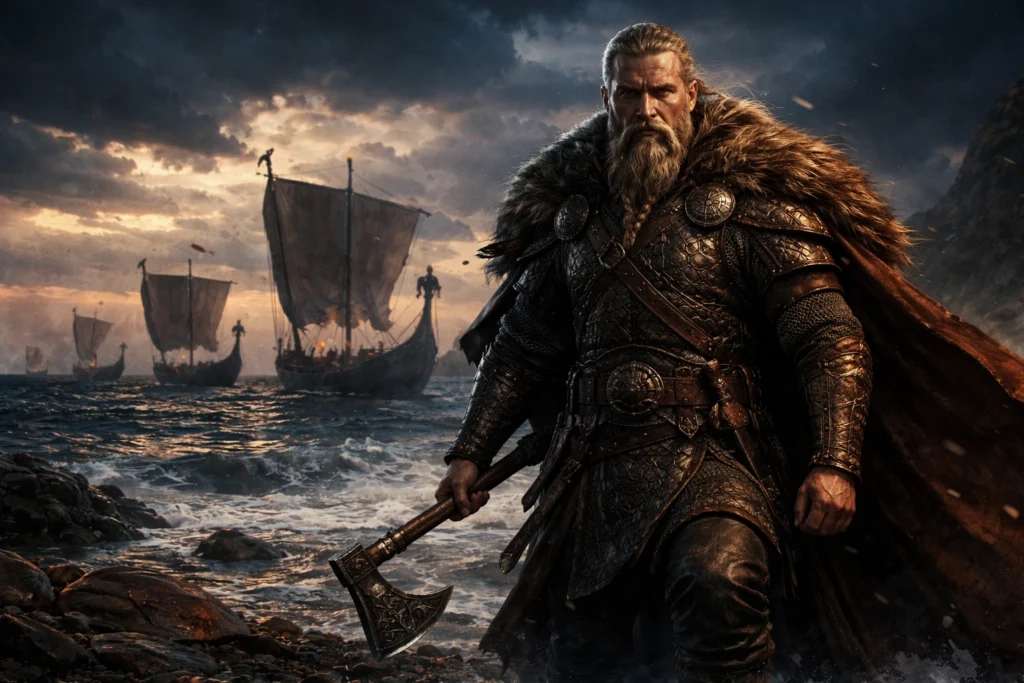
To understand why Viking beard styles resonate so deeply with modern men, it helps to understand where they came from. In Norse society, a beard was far more than facial hair. It was a symbol of masculinity, social status, and honor. Viking men groomed their beards carefully, using primitive combs and natural oils, ensuring their appearance reflected dignity and strength even in the harshest conditions.
Archaeological evidence and Norse sagas confirm that Vikings placed significant importance on personal grooming. Combs made from animal bone have been found at Viking archaeological sites across Scandinavia and Britain, indicating that beard care was part of the daily routine of these warriors. The idea of the unkempt, unwashed Viking is largely a myth. Real Norse men took pride in their appearance.
Gods in Norse mythology, including Thor and Odin, were frequently depicted with commanding beards, which reinforced the idea that a well-kept beard was a symbol of divine strength and authority. This cultural symbolism is part of what makes Viking beard styles feel so powerful and enduring today.
The Classic Full Viking Beard
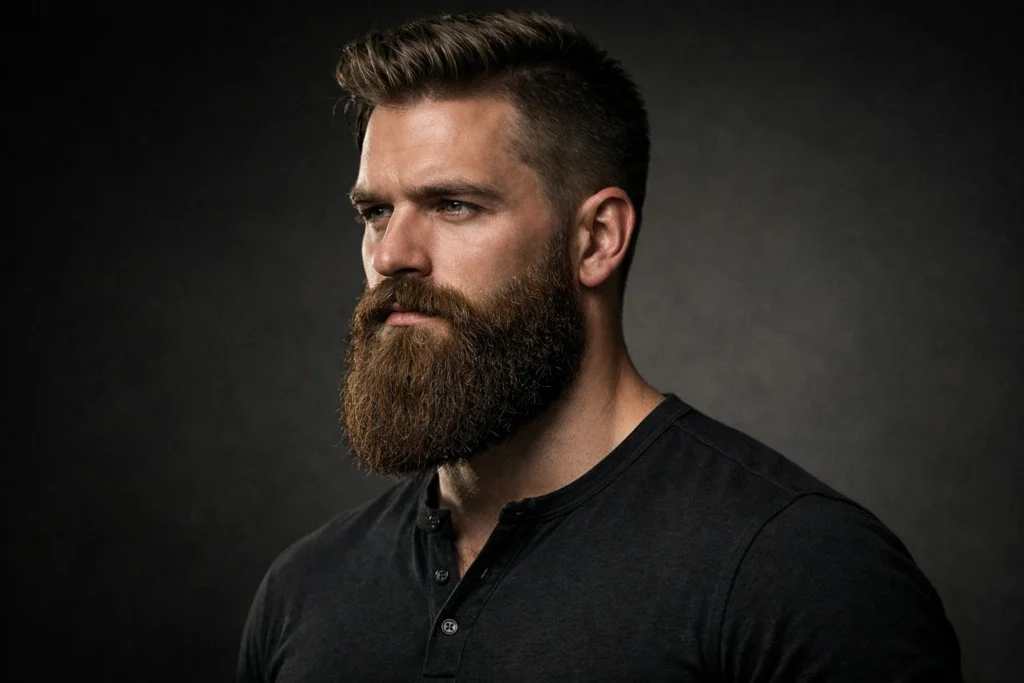
The classic full Viking beard is the definitive expression of this style. It involves growing the beard to its full natural length, allowing it to cover the jawline, chin, and neck with dense, even volume. The full Viking beard is not shapeless. It requires a clean neckline, softened cheek lines, and regular trimming of stray hairs to maintain its powerful but intentional appearance.
This style works best for men with thick, even beard growth and suits oval, square, and rectangular face shapes particularly well. The weight and length of the beard create a commanding facial silhouette that draws attention immediately.
Growing a full Viking beard requires patience. Most men need between six and twelve months of consistent growth before the beard reaches sufficient length to qualify as a true Viking style. During the growing phase, regular use of beard oil is essential to keep the hair soft, hydrated, and free from the brittleness that can make longer beards difficult to manage.
Grooming the Full Viking Beard
Use a boar bristle brush daily to train the hair downward and distribute natural oils evenly throughout the beard. Trim the neckline every two to three weeks to keep the lower boundary clean, and use a quality beard balm to shape the beard and control flyaways.
The Braided Viking Beard
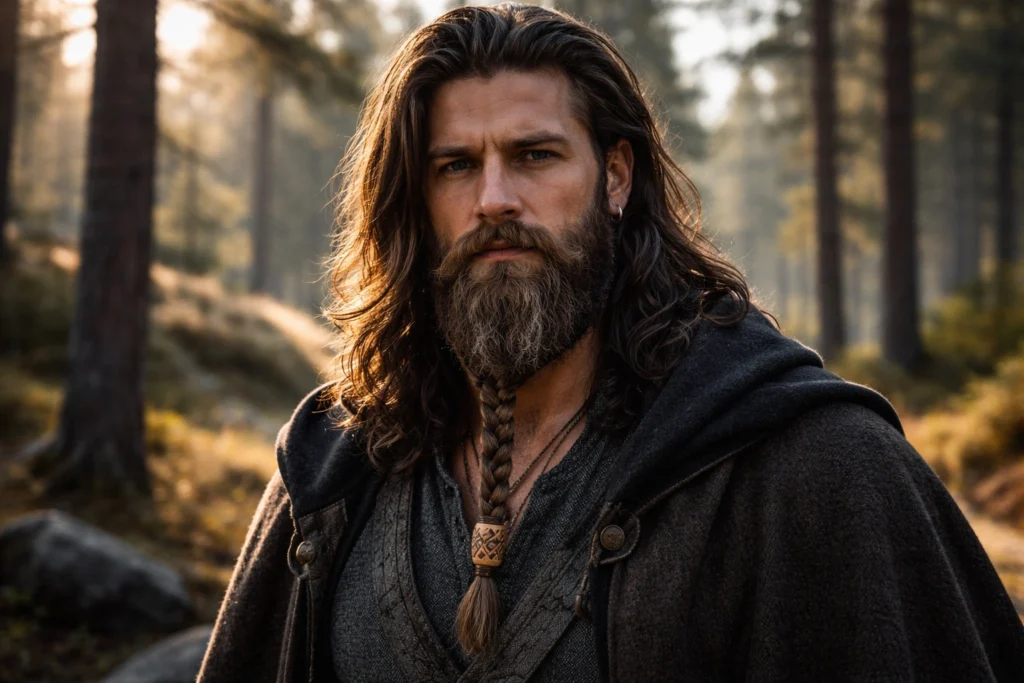
Among all Viking beard styles, the braided Viking beard is arguably the most visually dramatic and historically authentic. Vikings were known to braid their beards as a practical measure to keep the hair controlled during battle and as a decorative expression of personal identity. Today, the braided Viking beard sits at the intersection of ancient tradition and contemporary grooming artistry.
To achieve this style, the beard must be at least four inches in length at the chin. The braids can be single or multiple, running straight down from the chin for a symmetrical, ceremonial appearance. The texture of the braids adds depth and visual interest that a free-flowing beard cannot replicate.
This style pairs exceptionally well with longer hairstyles, undercuts, or Viking-inspired hairbraids on top, creating a fully coordinated warrior aesthetic from head to beard.
The Double Braided Viking Beard
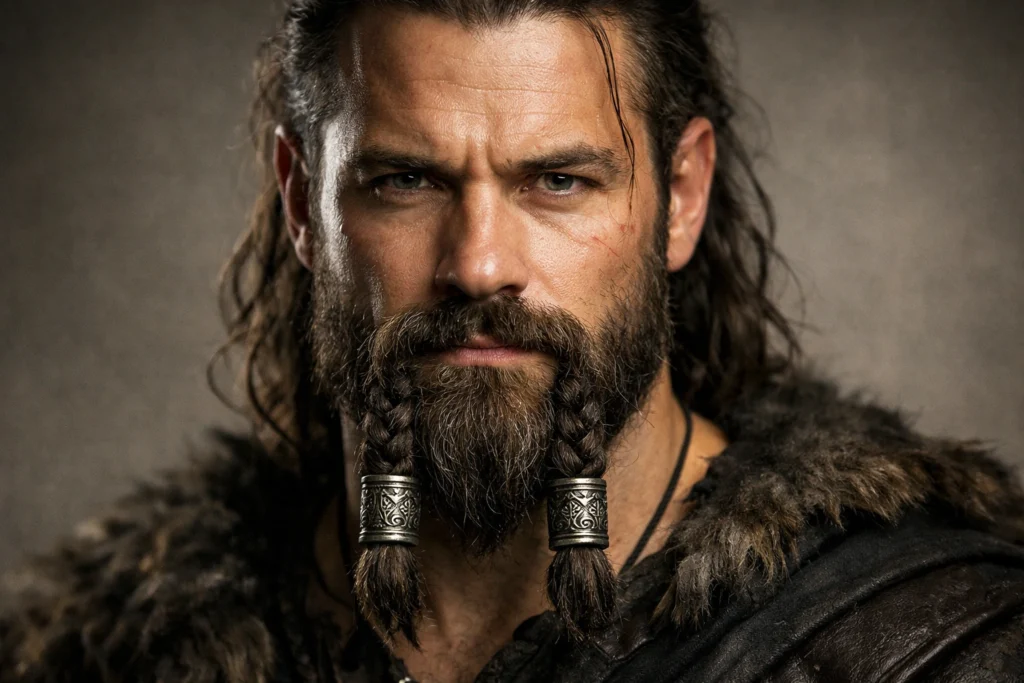
Taking the braided concept one step further, the double braided Viking beard divides the chin section into two distinct, symmetrical braids. This creates a powerful visual effect that is both structured and dramatic. The two braids run parallel down from the chin, and when maintained at equal thickness and length, they produce a look of supreme intentionality.
This style commands attention in any environment. It is particularly popular among men who appreciate bold grooming choices and are comfortable maintaining a distinctive personal style that stands apart from mainstream options.
Adding Beard Rings to Braids
Beard rings, also known as beard beads, are small metal accessories slid onto braided beard sections to add texture contrast and a warrior aesthetic. In historical Viking culture, beard rings were gifted between warriors as tokens of respect. In modern grooming, they serve as a simple but effective way to personalize a braided Viking beard and add a metallic accent that catches the light.
The Short Viking Beard

Not every man is ready to commit to a full, chest-length Viking beard, and that is precisely where the short Viking beard fills a valuable gap. This style captures the spirit and structural qualities of the Viking aesthetic while keeping the overall length short and manageable.
The short Viking beard is trimmed close to the face, typically between half an inch and one inch in length, but maintains a dense, full appearance with clean neckline definition and soft cheek lines. It delivers the commanding facial presence of a Viking beard without the extended growth period or intensive maintenance routine.
This style is ideal for professional environments where a longer, wilder beard may not be appropriate. It is also an excellent starting point for men who are new to growing a beard and want to ease into the Viking aesthetic.
The Mid-Length Viking Beard
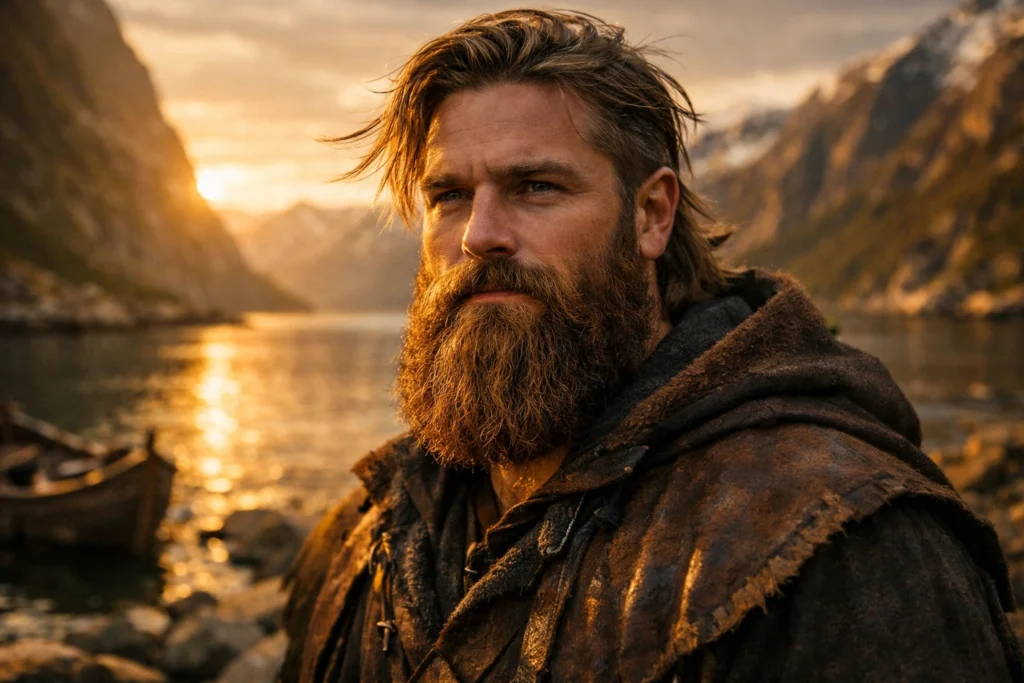
The mid-length Viking beard occupies the ideal middle ground between the short Viking style and the full, flowing beard. Reaching approximately to the upper chest, this style carries genuine Viking weight without the extreme length that some men may find impractical for everyday life.
The mid-length Viking beard pairs well with a wide range of hairstyles, from longer, natural hair to modern undercuts and fades. It is fierce yet wearable, rugged yet polished, making it one of the most popular choices for men who want to embody the Viking spirit in a way that fits comfortably into modern life.
Regular trimming every three to four weeks keeps the mid-length Viking beard looking intentional rather than overgrown. Use a wide-tooth comb to detangle the beard after washing and apply beard oil while the hair is still slightly damp to lock in moisture.
The Forked Viking Beard
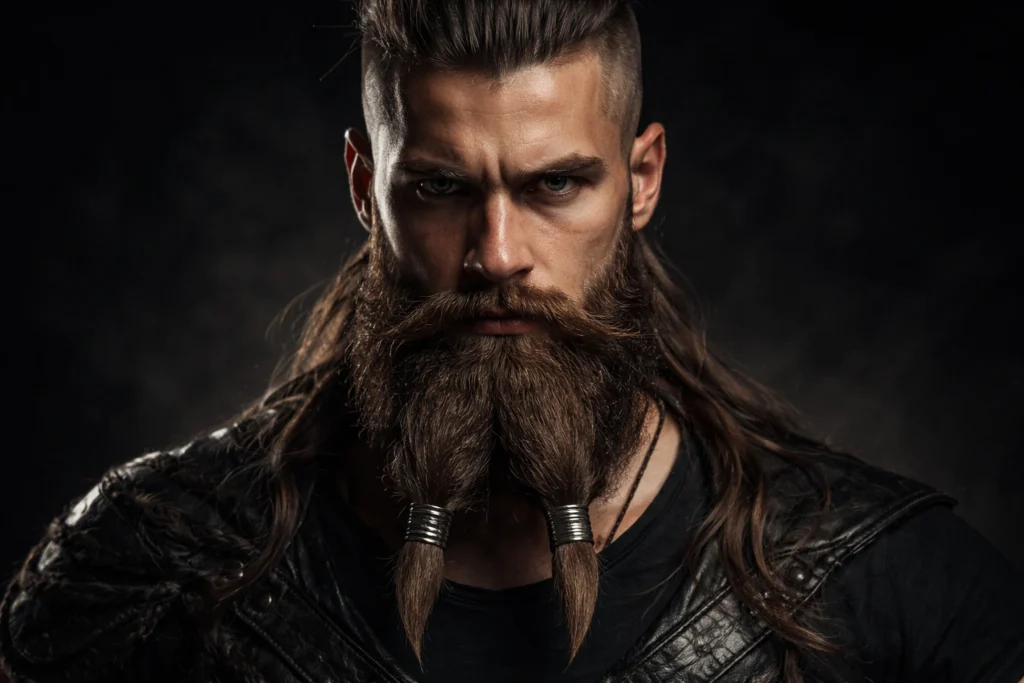
The forked Viking beard, sometimes called the split beard or two-pronged beard, is a distinctive style that divides the lower portion of the beard into two separate sections, each styled or braided outward or downward. This creates an unmistakable silhouette that references European and Norse noble traditions while delivering a uniquely modern visual impact.
Growing a forked Viking beard requires significant length and thick growth across the chin area. Once the beard is long enough, a barber or the wearer can use beard wax to separate and define the two sections, shaping them into points or braids that flow in slightly different directions.
This style is one of the most dramatic options available and suits men who are confident in their personal style and comfortable maintaining a distinctive look that draws regular attention.
The Viking Beard with Undercut
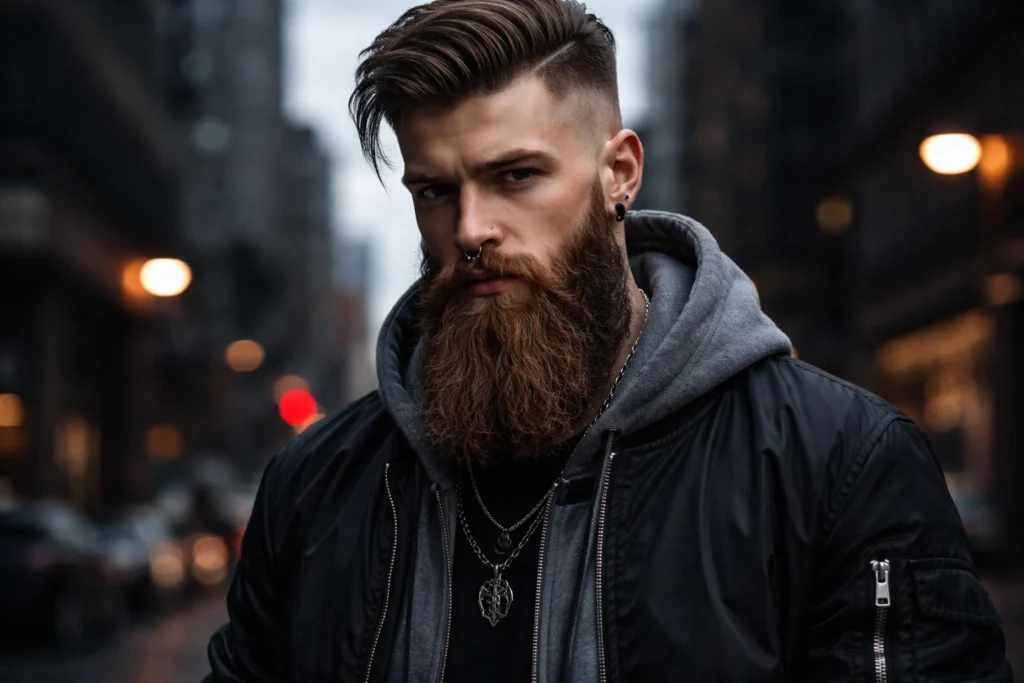
Pairing a Viking beard with an undercut hairstyle is one of the most striking and modern interpretations of the Norse aesthetic available today. The undercut provides a sharp, high-contrast hairstyle that complements rather than competes with the fullness of the beard below.
The contrast between the clean, tight sides of the undercut and the dense, powerful growth of the Viking beard creates a visual tension that is simultaneously disciplined and wild. Structure above, strength below. This combination has become exceptionally popular among younger men who want to bring the Viking aesthetic into a contemporary, fashion-forward context.
This look requires maintenance of both elements. Visit your barber regularly to keep the undercut sharp, and follow a consistent beard grooming routine to keep the beard clean, moisturized, and well-shaped.
The Viking Stubble Beard
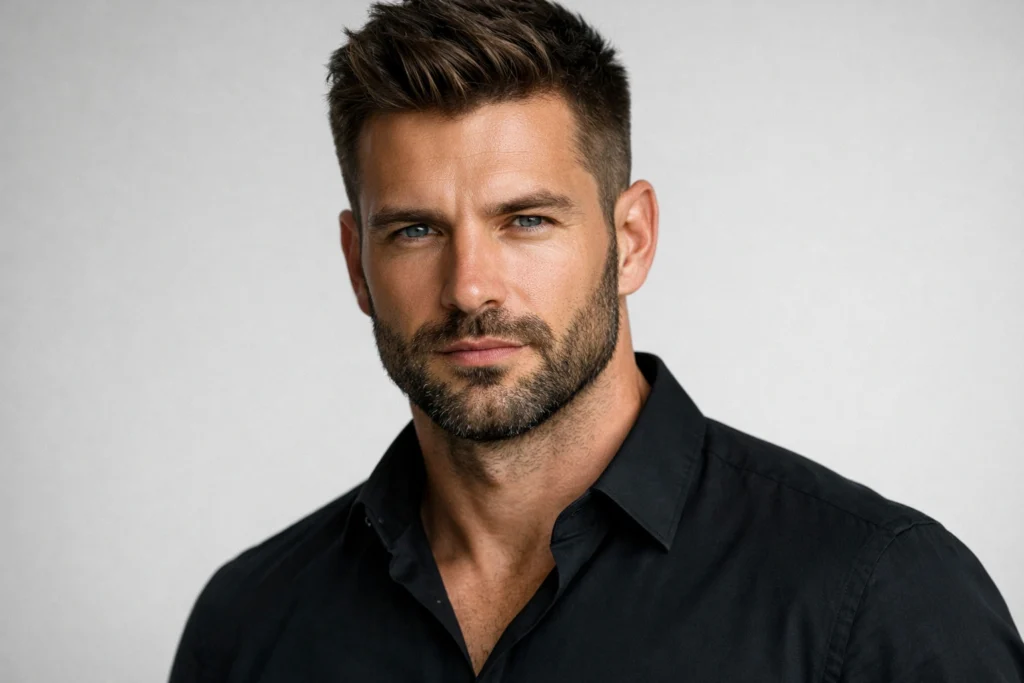
For men who appreciate the philosophy of the Viking beard but prefer minimal facial hair, the Viking stubble style delivers a powerful yet low-maintenance option. This style involves growing and maintaining a dense, even stubble across the face, typically between three and seven millimeters, with deliberate shaping along the cheek lines and neckline to create a structured, intentional appearance.
Viking stubble reads as rugged and masculine without the commitment of a longer style. It is arguably one of the most universally flattering beard options available, and when paired with strong cheekline definition, it takes on a distinctly Norse quality that is both modern and timeless.
The Viking Beard with Beard Beads
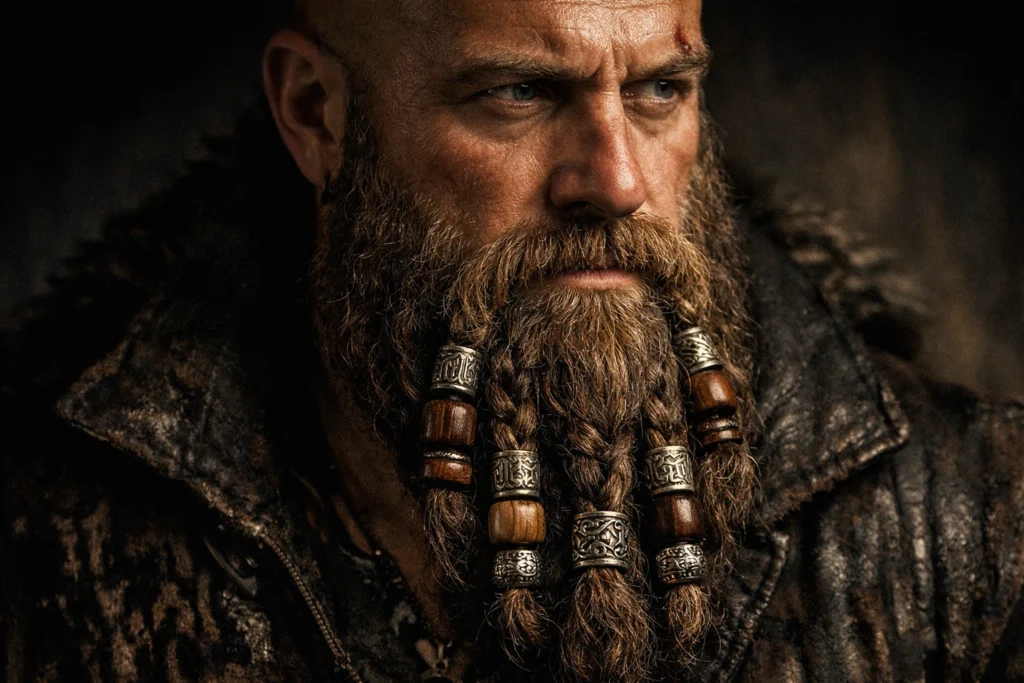
Beard beads are one of the simplest ways to transform any Viking beard style into a more personalized and accessorized look. Historically used by Norse warriors to decorate braids and honor bonds between men, beard beads today serve as a grooming accessory that adds texture, character, and visual interest to a beard.
Beads can be made from wood, metal, horn, or stone, and they are available in a wide range of sizes and finishes. They are typically threaded onto a braided section of the beard and slid into position, where they can be spaced evenly or clustered for a more dramatic effect.
When combined with a full or mid-length Viking beard, beard beads elevate the entire look and signal a level of personal investment in grooming that commands respect.
How to Grow and Maintain a Viking Beard in 2026
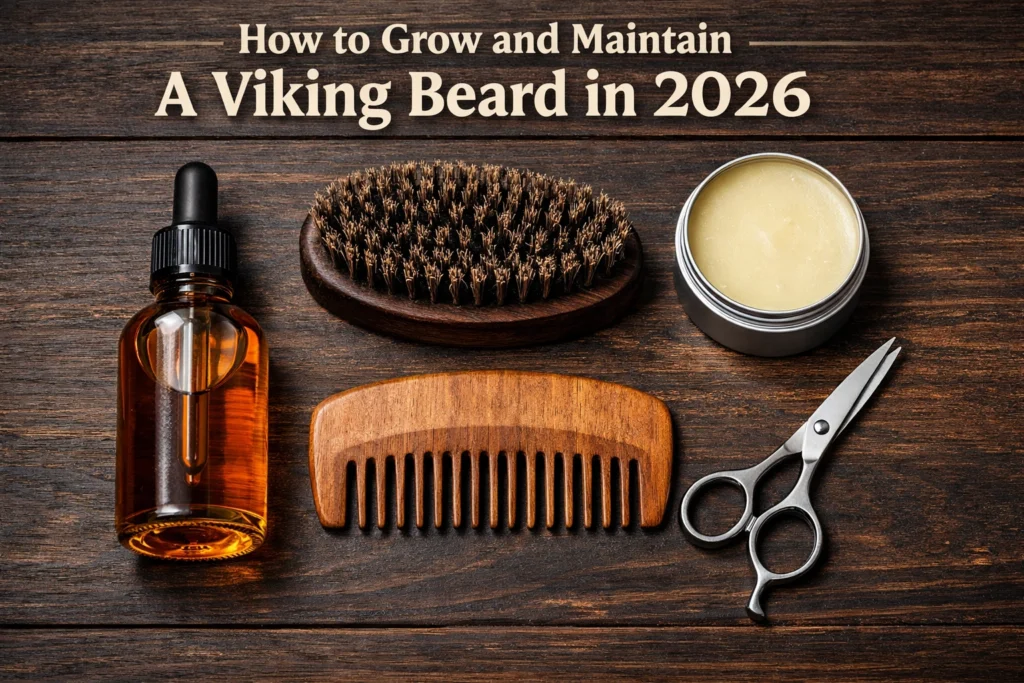
Growing a genuine Viking beard in 2026 requires commitment, consistency, and the right products. Here is a straightforward approach that delivers results regardless of which Viking beard style you are working toward.
The foundation is growth. Commit to a full growth period of at least six to twelve weeks before shaping. During this phase, resist the urge to trim and focus on nourishing the skin beneath the beard. A clean, exfoliated, and moisturized skin surface supports healthier and faster beard growth.
Once the beard has reached a workable length, establish a neckline. The natural curve approximately two finger widths above the Adam’s apple is the standard reference point. Keep the cheek lines softer and more natural in the Viking style, avoiding overly sharp geometric angles that can undermine the authentic Nordic aesthetic.
For daily maintenance, use a quality beard oil to condition the hair and skin. A boar bristle brush is invaluable for training the hair and distributing oil evenly. Use beard wax or balm when you need to shape or control specific sections of the beard, particularly for braided or forked styles.
Visit a skilled barber every three to four weeks for a shaping appointment. A barber experienced in Viking beard styles will know how to preserve the natural fullness of the beard while keeping the neckline and overall shape clean and deliberate.
Nutrition also matters. Adequate protein, biotin, zinc, and vitamins A, C, and E all support healthy beard growth. Staying well-hydrated and getting consistent sleep contributes significantly to beard thickness and overall hair health.
Conclusion
Viking beard styles have proven their staying power not because they are trendy but because they are deeply rooted in a masculine identity that transcends time. From the braided warrior beard of ancient Norse legend to the sleek Viking stubble of the modern office, these styles offer every man a path toward a more commanding, confident, and distinguished appearance.
The twenty styles explored in this article represent the full spectrum of what the Viking beard aesthetic can be. Some demand months of dedicated growth and a high degree of grooming investment. Others can be achieved and maintained in a matter of weeks with a consistent routine and the right tools. In every case, the Viking beard is about more than facial hair. It is a statement of identity, a connection to something timeless, and a commitment to showing up in the world with presence and intention.
Find the style that speaks to your personality and face shape, commit to the growth process, and wear your Viking beard with the confidence it deserves.
You may also like this post: 20 Modern Faded Beard Styles for a More Defined Look
Frequently Asked Questions
How long does it take to grow a Viking beard?
Most men need between six and twelve months to grow a full Viking beard, depending on genetics and growth rate. Shorter Viking styles can be achieved in six to ten weeks.
What products are essential for maintaining a Viking beard?
A quality beard oil for daily conditioning, a boar bristle brush for training and distributing oils, beard balm for shaping, and a wide-tooth comb for detangling are the core products every Viking beard requires.
Can I wear a Viking beard in a professional work environment?
Yes. Shorter Viking styles and well-groomed mid-length options translate effectively into professional settings. The key is maintaining clean necklines and avoiding an unkempt appearance.
What face shapes suit Viking beard styles best?
Oval, square, and rectangular face shapes benefit most from Viking beard styles. Round faces gain elongation from the length and fullness of the beard, making Viking styles particularly flattering across a broad range of facial structures.
How do I add braids to my Viking beard?
Your beard should be at least four inches long at the chin before braiding. Separate a section of beard hair, divide it into three equal strands, and braid downward using a standard three-strand technique. Secure with a small clear elastic and slide beard beads or rings onto the braid for a more authentic Viking finish.
1 Comment