Introduction
Facial hair has been a defining element of masculine identity for thousands of years. From the sculpted beards of ancient Egyptian pharaohs to the carefully maintained styles of Victorian gentlemen, men have long understood that a well-groomed beard communicates confidence, character, and personal style in ways that few other grooming choices can match.
What separates classic beard styles from passing trends is their staying power. These are the looks that have outlasted fashion cycles, crossed cultural boundaries, and continued to appear on the faces of athletes, executives, artists, and everyday men alike. Whether you are growing your first beard or refining a look you have worn for years, understanding the foundational styles is the first step toward finding what truly works for your face, your lifestyle, and your personality.
This guide covers 20 classic beard styles that have stood the test of time, along with practical guidance on what makes each one work, which face shapes they complement, and how to maintain them properly.
The Full Beard
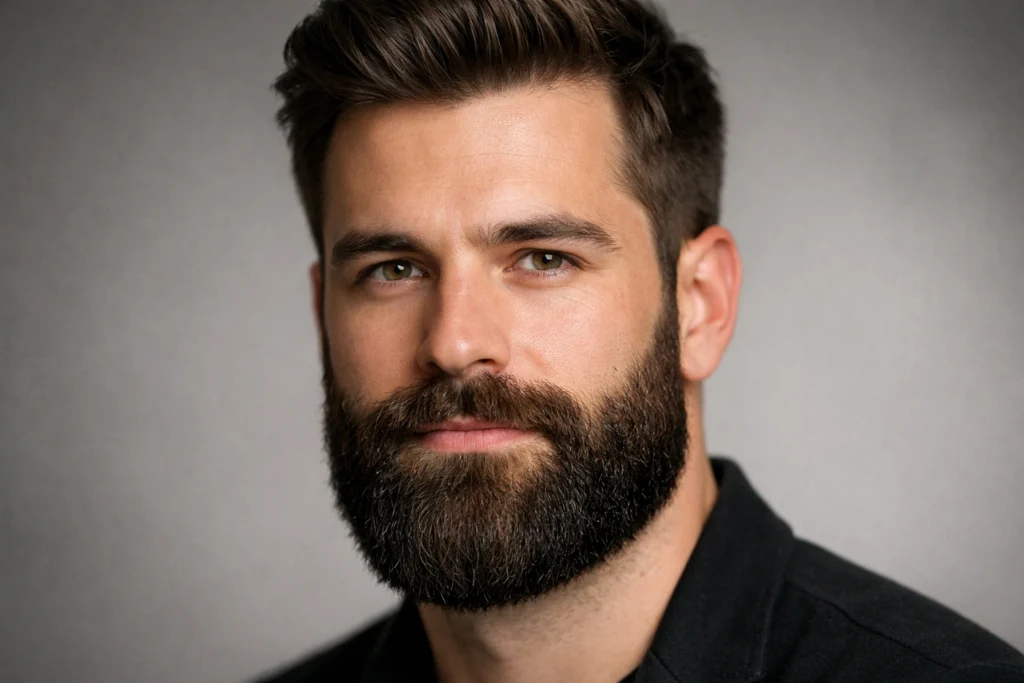
The full beard is the most iconic and enduring style in the history of men’s grooming. It covers the entire jawline and chin, connects naturally with the sideburns and mustache, and creates an appearance of strength and maturity that few other looks can replicate.
Growing a full beard requires patience. Most men need between three and six months to develop enough coverage for a true full beard, though the final result depends heavily on genetics and hair thickness. The key to making this style look intentional rather than neglected lies in regular trimming along the neckline and cheekbones, consistent use of beard oil to keep the hair soft and the skin hydrated, and occasional shaping to maintain clean edges.
The full beard suits almost every face shape. It adds structure to rounder faces, softens angular jawlines on square faces, and creates a balanced appearance on oval and oblong faces. It is also the most versatile of all classic beard styles, transitioning seamlessly from casual settings to professional environments when kept well-groomed.
The Short Boxed Beard

The short boxed beard is the professional world’s answer to the full beard. It follows the natural contours of the jaw and chin but is kept shorter and more precisely defined, typically between half an inch and one inch in length. The cheek lines are clean, the neckline is clearly established, and the overall shape is structured rather than free-growing.
This style works particularly well for men who want to maintain a polished appearance in corporate or business settings without sacrificing the character that facial hair provides. It suits square and oval face shapes especially well, enhancing natural jaw definition without adding excessive bulk. Men with oblong faces are generally advised to keep this style shorter on the sides and fuller at the chin to create the illusion of a wider face.
Maintaining a short boxed beard requires trimming every few days with a quality beard trimmer set to a consistent guard length. The cheek and neck lines need attention at least once a week to prevent the style from losing its clean, intentional shape.
The Stubble Beard

Stubble sits in a uniquely appealing place between a clean shave and a full beard. It communicates both effortless cool and deliberate grooming, suggesting a man who is comfortable in his own skin without needing to make an elaborate statement. Stubble typically ranges from one to five millimeters in length, and the difference between light and heavy stubble can dramatically alter the overall impression.
Research into male attractiveness has repeatedly identified heavy stubble as one of the most widely appealing beard styles across different demographics. It softens sharp features, adds definition to softer ones, and suits virtually every face shape. Steve McQueen, David Beckham, and countless other influential figures have made stubble a symbol of masculine ease.
The most important aspect of maintaining great stubble is consistency. A trimmer with multiple length settings allows you to lock in the exact look you want and maintain it with minimal effort. Defining the neckline and cheek line keeps the stubble from reading as accidental rather than intentional.
The Goatee

The goatee is one of the oldest and most culturally widespread beard styles in the world, with roots in ancient Greece and Rome. It focuses all the facial hair on the chin, creating a compact, defined look that adds character and edge without the commitment of a full beard.
The traditional goatee is simply a patch of hair on the chin, disconnected from the mustache and sideburns. Over the centuries, this definition has expanded to include several variations, including the extended goatee, the full goatee, and the goatee with a connecting mustache. Each variation carries a slightly different tone, from refined and artistic to rugged and bold.
The goatee is particularly flattering for men with round or square face shapes because it draws the eye downward and creates the visual impression of a longer, more defined chin. It works best when kept neatly trimmed and clearly shaped, with the surrounding facial areas kept clean-shaven to emphasize the contrast.
The Van Dyke
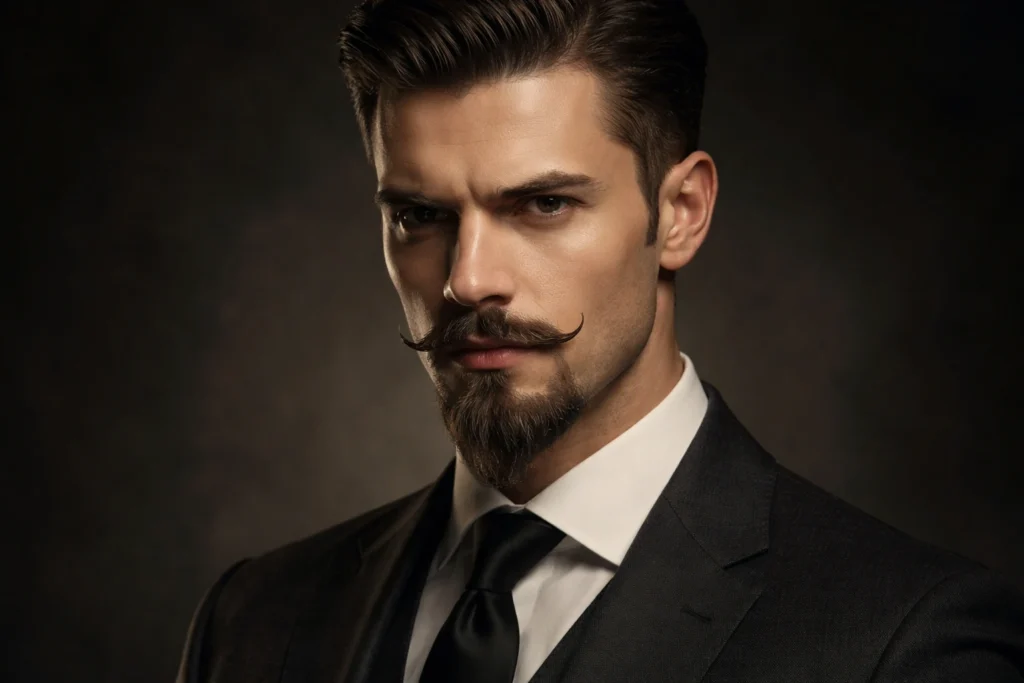
Named after the 17th century Flemish painter Anthony van Dyck, the Van Dyke combines a pointed chin beard with a mustache, but unlike the goatee, these two elements remain visibly disconnected from each other. The contrast between the clean-shaven cheeks and the carefully shaped beard and mustache gives the Van Dyke its signature dramatic, artistic quality.
This style has experienced numerous revivals throughout history and continues to attract men who want a look that is sophisticated without being conventional. The Van Dyke suits men with narrow or pointed chins particularly well, as the style draws attention to the lower face in a flattering way. It also works beautifully on oblong and oval face shapes.
Styling the Van Dyke requires precision. The chin beard should be kept pointed and symmetrical, and the mustache can be styled naturally or shaped into a subtle handlebar depending on personal preference. Regular trimming and the use of mustache wax for any curling elements will keep this style looking intentional and refined.
The Balbo Beard
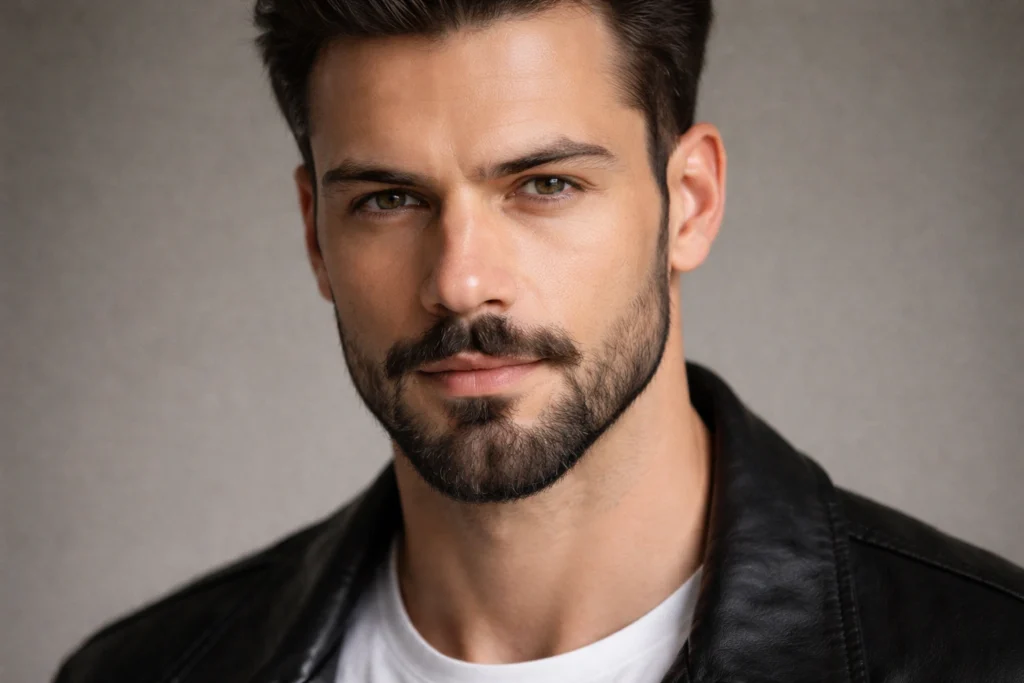
The Balbo beard is a three-part style that combines a floating mustache, a soul patch, and a chin beard, all kept separate from each other with clearly shaved gaps between the elements. Named after Italian Air Marshal Italo Balbo, this style balances ruggedness with sophistication in a way that feels both contemporary and timeless.
The Balbo works best on men with strong chin definition, as the disconnected elements draw significant attention to the lower half of the face. It suits oval, oblong, and square face shapes well. Men with rounder faces are generally advised to choose a style with more vertical definition.
The defining characteristic of a great Balbo is clean lines. The gaps between the mustache, soul patch, and chin beard must be consistently maintained with careful shaving. This style requires more grooming attention than a full beard, but the result is a distinctive look that stands out in both casual and professional settings.
The Anchor Beard
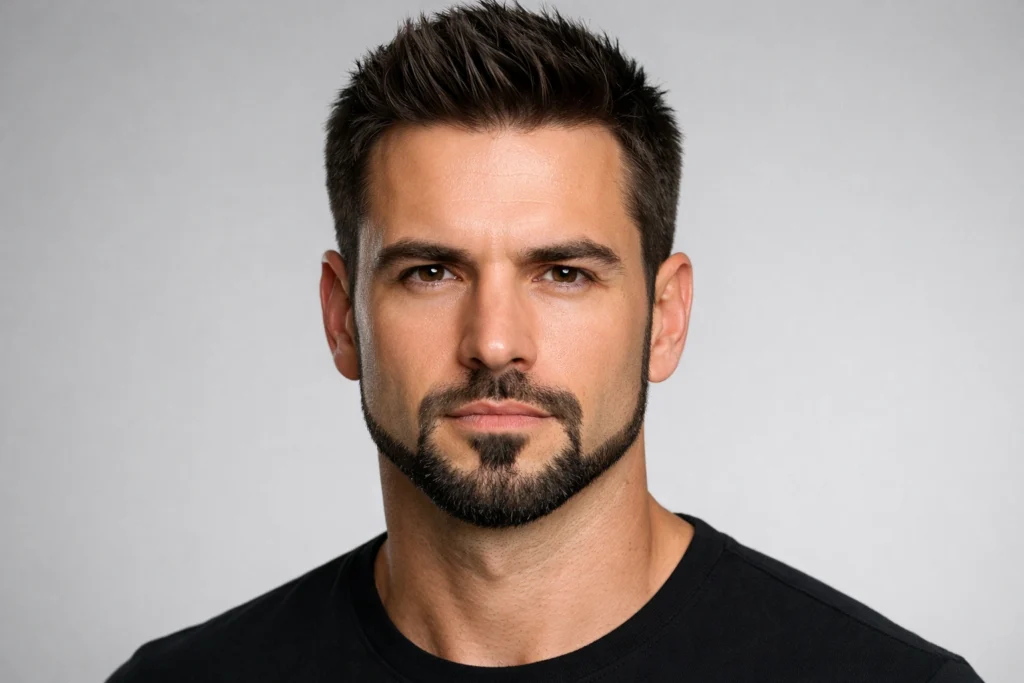
The anchor beard takes its name from the nautical anchor shape it creates on the lower face. It combines a pointed chin beard that extends along the jawline with a thin mustache, creating a connected shape that resembles the silhouette of a ship’s anchor. The cheeks remain clean-shaven, which emphasizes the precise lines of the style.
This style requires a significant degree of symmetry and precision to execute well. It is a bold choice that conveys confidence and attention to detail. The anchor beard works best on men with prominent jawlines and suits oval, oblong, and square face shapes most naturally.
Regular shaving of the cheeks and neck is essential for this style, and a steady hand with a precision trimmer is necessary to maintain the characteristic shape. The anchor beard is not ideal for men who prefer low-maintenance routines, but for those willing to invest the effort, it creates a genuinely striking appearance.
The Circle Beard

The circle beard, sometimes called the door knocker, is a rounded style that encircles the mouth by connecting the mustache and goatee into a continuous loop. It is one of the most symmetrical and geometric of all classic beard styles, which gives it a neat, purposeful appearance that reads as both professional and approachable.
This style has origins in ancient Mesopotamia and has remained continuously popular across many cultures and centuries. It suits men with oval, round, and square face shapes well, adding definition without dramatically altering the overall proportions of the face. It is also one of the easier classic styles to maintain, requiring regular trimming to preserve the circular shape and consistent shaving of the surrounding areas.
The circle beard is a particularly practical choice for men who want a defined, groomed look without the growth commitment of a full or short boxed beard.
The Chinstrap Beard
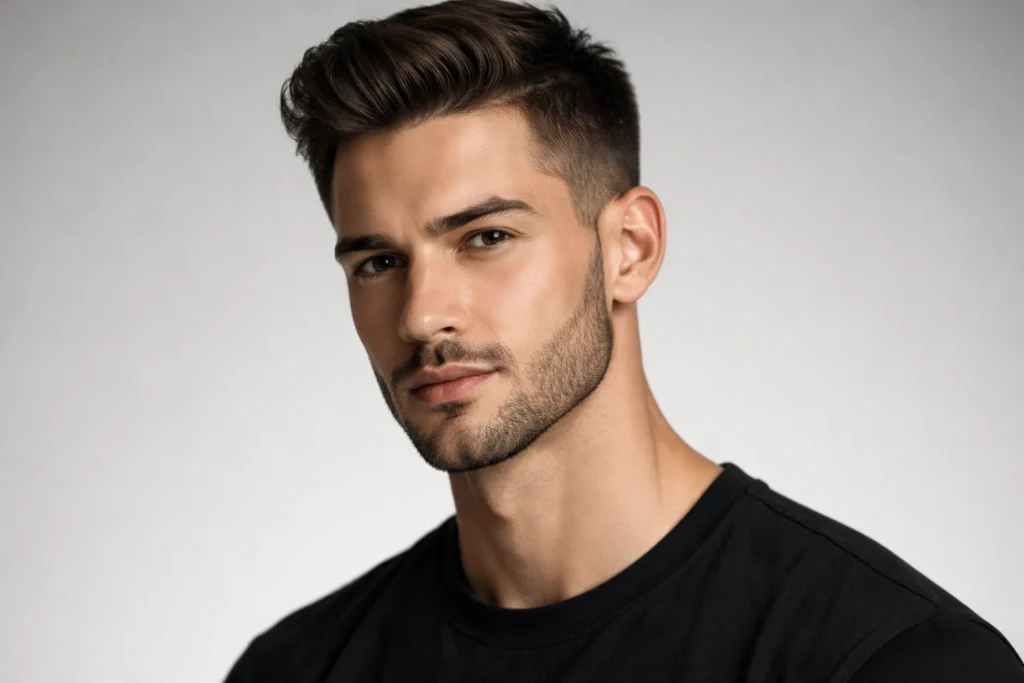
The chinstrap beard follows the line of the jaw from one side of the face to the other, creating a thin strip of hair that frames the lower face. The cheeks and upper lip are kept clean-shaven, and the defining feature is the clean, structural line of the hair along the jawline itself.
This style draws direct inspiration from ancient Egyptian and Roman grooming traditions, where precise jaw outlining was associated with discipline and strength. In contemporary men’s grooming, the chinstrap communicates boldness and confidence in facial structure, since wearing this style essentially puts your jawline front and center.
The chinstrap works best on men with well-defined jaws and suits square and oval face shapes most naturally. It requires meticulous daily grooming to keep the edges clean, which makes it better suited to men who already have an established grooming routine.
The Extended Goatee

The extended goatee, sometimes called the tailback, is a more substantial variation of the classic goatee in which the chin beard extends outward along the jaw on either side. The mustache is connected to the chin beard, creating a fuller outline of the lower face while the cheeks and upper sideburns remain clean-shaven.
This style offers a middle path between the compact simplicity of the traditional goatee and the fuller coverage of a short boxed beard. It adds perceived width to the lower face, making it a practical choice for men with narrower chins or more angular features. It suits oval, oblong, and triangular face shapes particularly well.
The extended goatee is versatile enough for both casual and professional settings when kept neatly trimmed and well-maintained. It requires slightly more grooming attention than the standard goatee because the extended lines need consistent definition to remain clean and symmetrical.
The Ducktail Beard
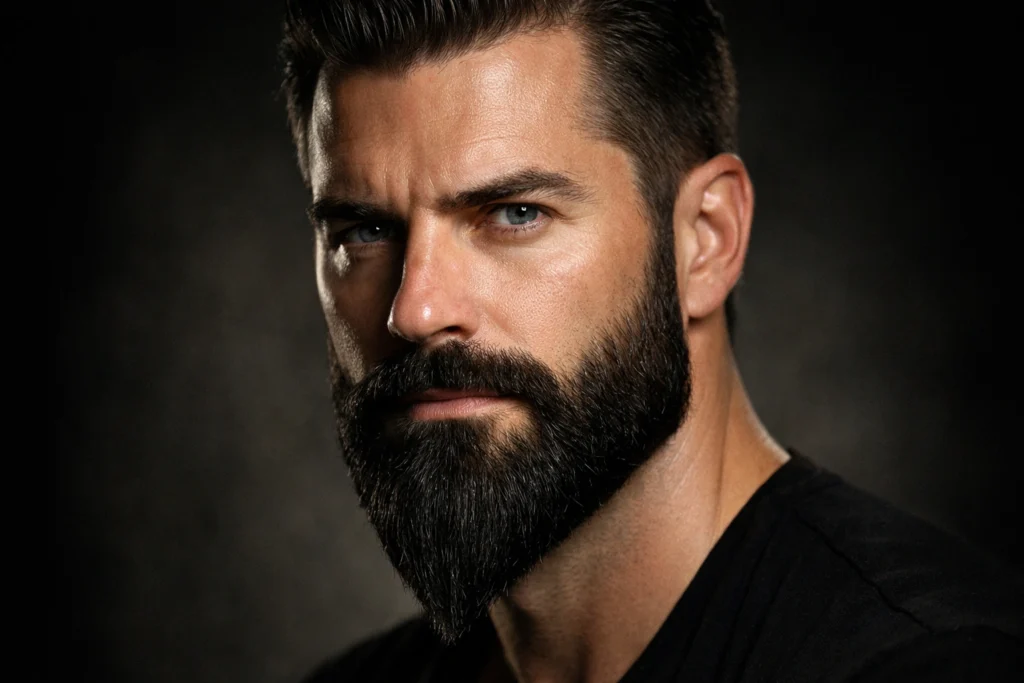
The ducktail beard is a full beard variation in which the sides are kept shorter and the chin hair is allowed to grow longer and shaped into a downward-pointing tip that resembles a duck’s tail. The result is a style that combines the rugged masculinity of a full beard with a degree of sculpted elegance that sets it apart from more uniform styles.
This is a style with genuine personality. The ducktail communicates individuality and a willingness to invest in grooming without appearing overly refined or corporate. It suits men with oval, oblong, and square face shapes, and the pointed chin element is particularly effective at adding definition to rounder faces.
Growing a ducktail beard typically requires at least three months of growth. Once sufficient length is achieved, a barber or a skilled self-trimmer can shape the sides and create the characteristic pointed bottom. Ongoing maintenance involves regular trimming of the sides and careful shaping of the point to keep the style intentional.
The Garibaldi Beard
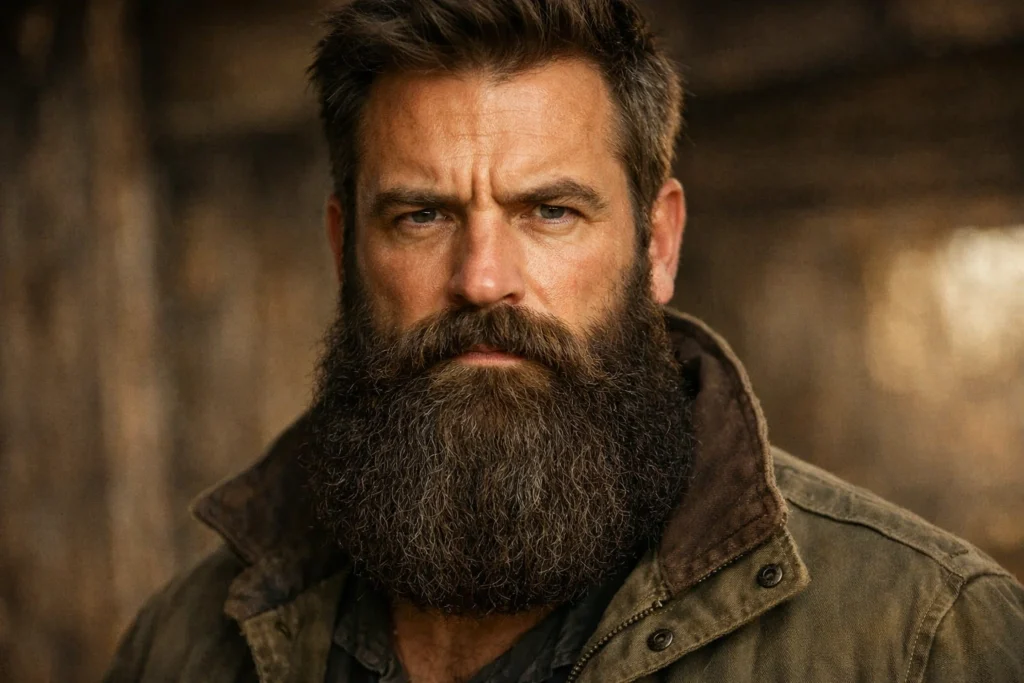
The Garibaldi beard is a wide, rounded full beard named after the 19th century Italian general Giuseppe Garibaldi. It is typically allowed to grow to a length of between six and eight inches, with the bottom rounded into a natural, slightly spreading shape rather than pointed or squared off. The mustache is integrated naturally into the beard without excessive styling.
This style communicates authority and natural confidence. It has a slightly wilder appearance than more structured styles, but its rounded shape prevents it from looking unkempt. The Garibaldi suits men with wider faces who want to add visual length, and it works particularly well on square and oval face shapes.
Maintaining a Garibaldi requires consistent hydration through beard oil and balm, occasional trimming to prevent the bottom from becoming ragged, and natural shaping to preserve the rounded silhouette. This is not a low-maintenance style, but it is significantly less demanding than more precisely structured options.
The Verdi Beard
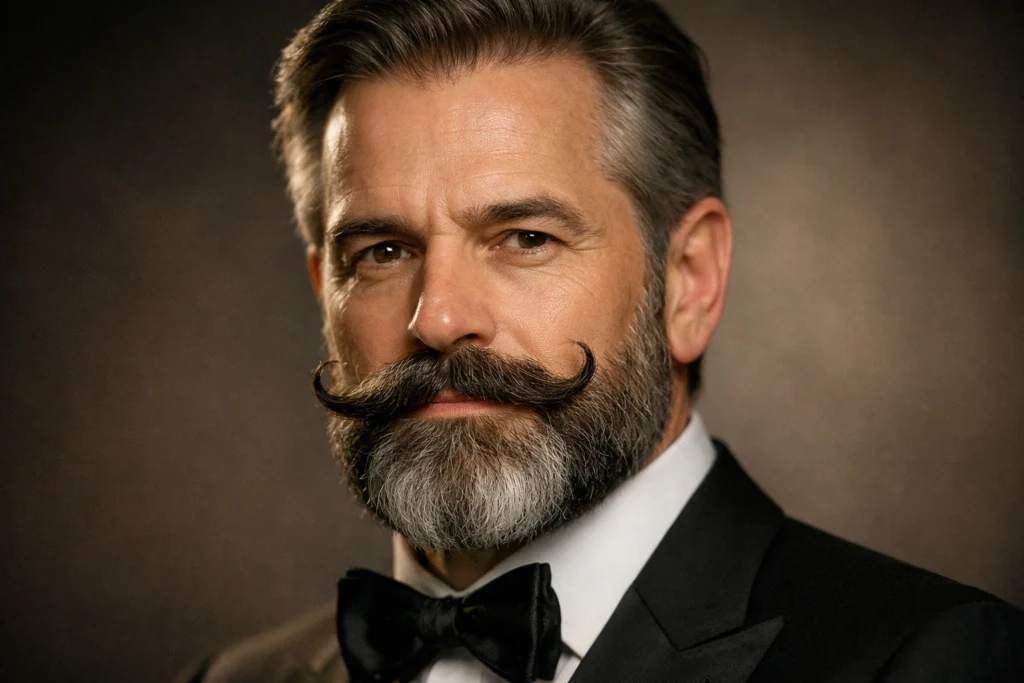
The Verdi beard is a distinguished style named after the 19th century Italian composer Giuseppe Verdi. It combines a short, rounded full beard with a prominent handlebar mustache. The beard is typically kept between two and four inches in length, the bottom is rounded, and the mustache is waxed and curled upward or outward at the tips to create its signature dramatic effect.
This style is theatrical in the best possible sense. It communicates cultural sophistication, a strong personal aesthetic, and a genuine investment in grooming as an art form. The Verdi suits oval and oblong face shapes most naturally, and it works best on men whose facial hair grows with sufficient density to support both the beard volume and the handlebar mustache.
Growing and styling a Verdi requires patience and the right products. A quality mustache wax with strong hold is essential for achieving the handlebar curl, and regular conditioning keeps the beard soft and manageable.
The Beardstache
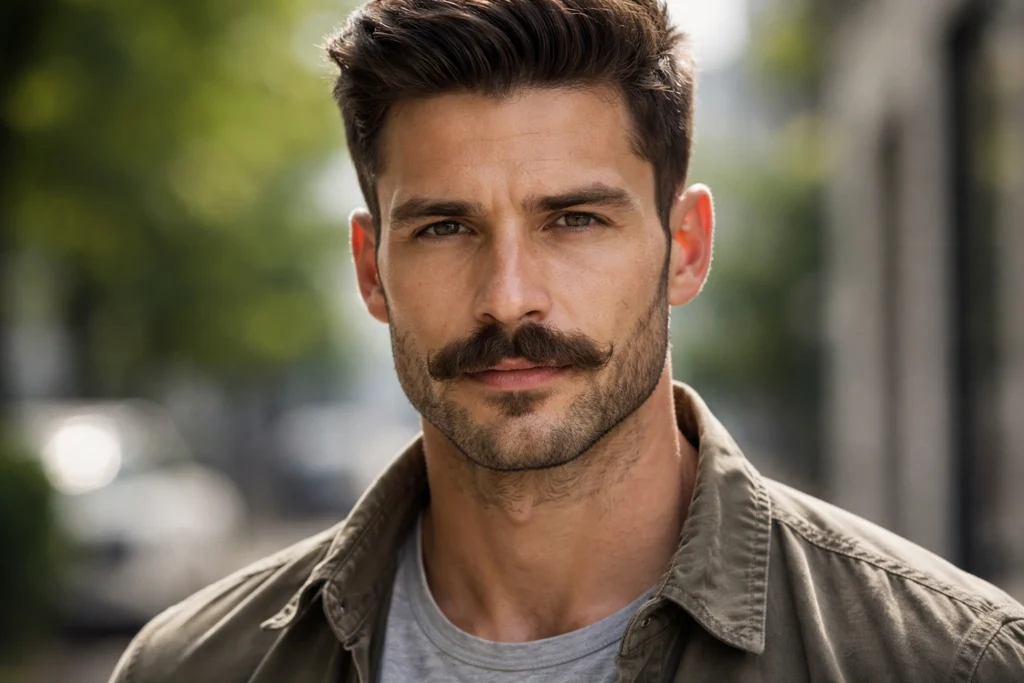
The beardstache is a hybrid style that pairs a thick, prominent mustache with a shorter, stubble-length beard on the rest of the face. The deliberate contrast between the length and weight of the mustache and the close-cropped beard beneath creates a distinctive look that feels simultaneously vintage and contemporary.
This style works particularly well on men with strong upper lip definition and suits angular face shapes with well-defined cheekbones and jaws. The beardstache requires consistent trimming of the beard area to maintain the contrast between the stubble and the mustache, along with regular mustache grooming to keep the defining feature well-shaped.
The beardstache is a bold choice that rewards commitment and confidence. It is not the easiest style to wear without it looking accidental, but men who carry it well create a genuinely memorable impression.
The Mutton Chops
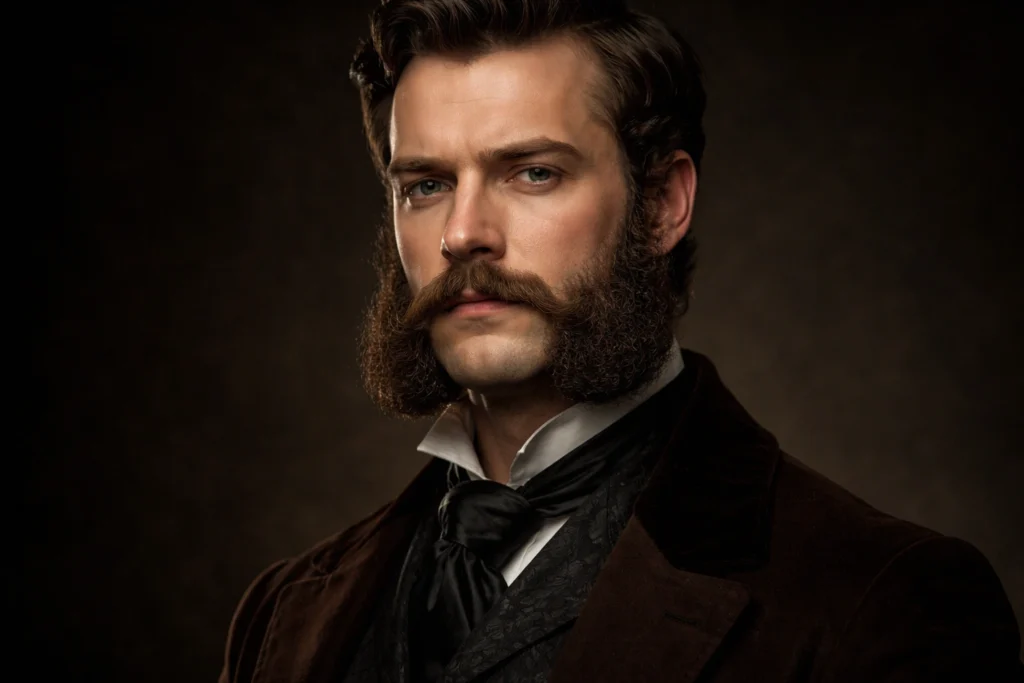
Mutton chops are one of the most historically distinctive beard styles in Western grooming tradition, originating in the 19th century and reaching peak cultural saturation during the Victorian era. The style features wide, thick sideburns that extend down from the ear and connect with the mustache, while the chin itself remains clean-shaven.
Despite their period associations, mutton chops have experienced periodic revivals because they offer a genuinely unique look that few other styles can replicate. They suit men with wide faces and strong cheekbones, as the style adds significant horizontal emphasis to the middle of the face.
Maintaining mutton chops requires careful shaving of the chin and lower jaw to preserve the characteristic shape, along with regular trimming of the sideburn areas to keep the width controlled and the edges defined.
The Friendly Mutton Chops
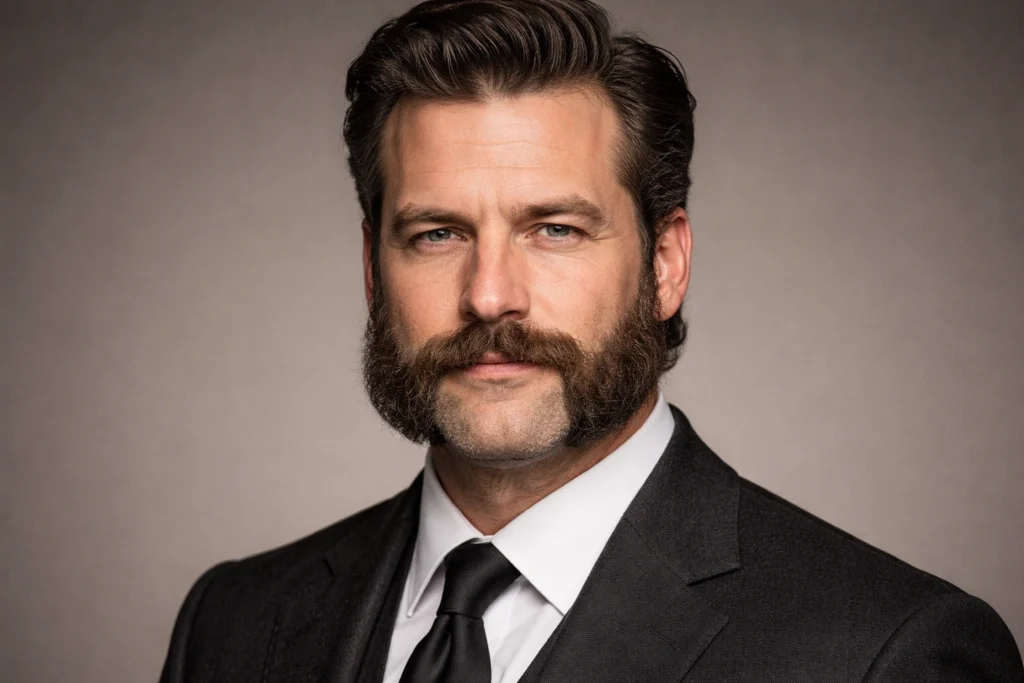
The friendly mutton chop style extends the traditional mutton chops by connecting the sideburns across the upper lip through the mustache, creating a continuous band of facial hair from one side of the face to the other. The chin remains clean-shaven, which creates a distinctive horseshoe-like visual effect.
This is a high-commitment style that communicates a strong sense of individuality and historical awareness. It suits oblong and oval face shapes best, as the horizontal emphasis of the connected mustache and sideburns adds visual width to the face. Like traditional mutton chops, this style requires careful shaving of the chin and lower jaw to maintain its defining characteristic.
The Soul Patch

The soul patch is the most minimal of all classic beard styles: a small, precisely groomed patch of hair located directly below the lower lip. Originating in the jazz clubs of mid-20th century America, the soul patch became associated with artistic expression, creativity, and a relaxed attitude toward convention.
The soul patch suits every face shape because of its minimal footprint, and it works well as a standalone style or as a complement to other beard elements such as a Van Dyke or a disconnected Balbo. It requires very little maintenance but demands precision in shaping, since its small size means that any asymmetry becomes immediately noticeable.
The Bandholz Beard
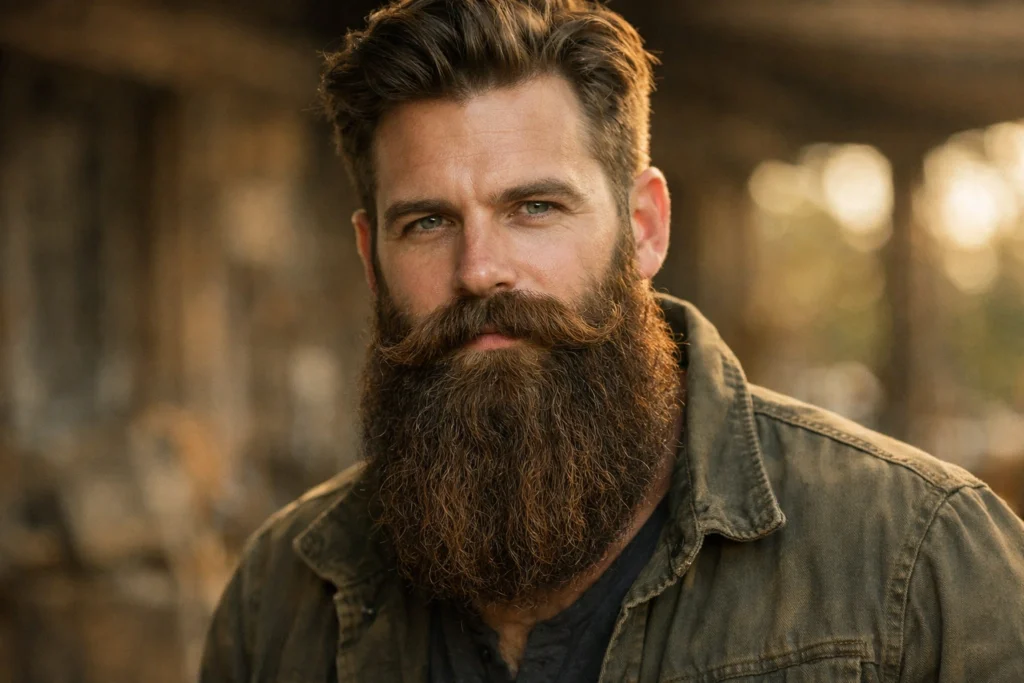
The Bandholz beard is a long, naturally growing full beard that was popularized in the early 2010s by grooming entrepreneur Eric Bandholz. The style involves growing the beard to a length of six inches or more and allowing it to develop its natural shape, combined with a full mustache that integrates seamlessly with the beard.
This style communicates authenticity, patience, and a genuine commitment to the process of beard growing. It suits men with oval, oblong, and square face shapes and works best on men whose facial hair grows with sufficient density to support the substantial length.
Maintaining a Bandholz beard requires serious investment in conditioning products. Beard oil, beard balm, and a quality boar bristle brush are essential tools for keeping a long beard manageable, tangle-free, and presentable. Regular washing and occasional trimming of split ends are also necessary to keep the style looking healthy rather than neglected.
The Chevron Mustache
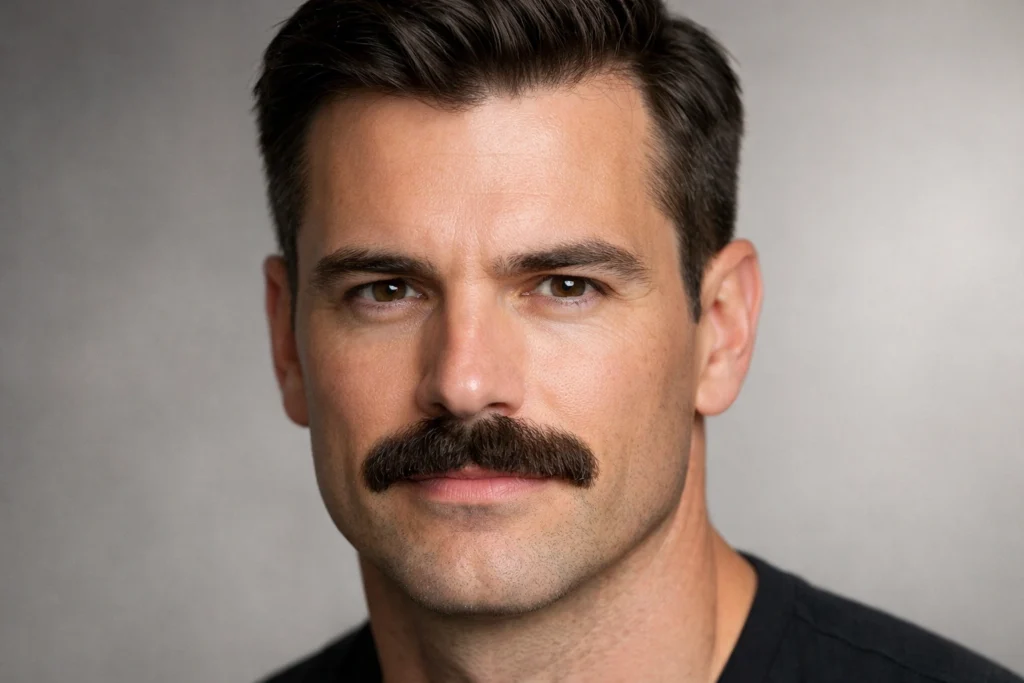
The chevron mustache is a thick, full mustache that sits directly above the upper lip and follows its natural contours without excessive styling or waxing. It is wider than the lip itself, but the edges are kept trimmed so that the mustache does not extend too far beyond the corners of the mouth. The name references the chevron shape formed by the natural arch of a full upper lip mustache.
Made iconic by figures like Tom Selleck and Freddie Mercury, the chevron mustache communicates masculine confidence and a willingness to commit to a single, bold grooming choice. It works best on men with strong upper lips and wider upper faces, and it suits oval, oblong, and square face shapes particularly well.
This style can be worn alone with a clean-shaven face for maximum visual impact, or combined with light stubble or a short beard for a more layered look. Regular trimming of the lower edge to prevent the mustache from overlapping the lip is the primary maintenance requirement.
The Corporate Beard

The corporate beard occupies a precise point on the grooming spectrum: fully committed to facial hair, impeccably maintained, and calibrated for professional environments. It is typically a short, clean boxed beard kept between a quarter inch and half an inch in length, with sharp, well-defined edges along the cheeks and neckline.
This style is a practical solution for men who work in industries where a polished appearance matters but who want to maintain a beard as part of their personal identity. It communicates discipline, attention to detail, and self-awareness, all qualities that translate well in professional contexts.
The corporate beard requires the most consistent grooming routine of any style on this list. Trimming every two to three days, shaving the neckline and cheek lines at least every other day, and using beard oil to maintain softness and health are all essential to keeping this style looking its best.
Conclusion
Classic beard styles endure because they are built on principles that transcend trends: proportion, symmetry, appropriate maintenance, and genuine expression of personality. Whether you are drawn to the authority of a full beard, the precision of an anchor or Van Dyke, the understated appeal of stubble, or the boldness of mutton chops, the most important factor in any beard style is how confidently you carry it.
The best beard is always the one that suits your face shape, fits your lifestyle, and reflects who you are. Invest in quality grooming products, develop a consistent care routine, and take the time to understand which of these 20 classic styles aligns with your natural features and personal aesthetic. A well-chosen, well-maintained beard is one of the most powerful elements in a man’s appearance, and these timeless styles are proof that great grooming never goes out of fashion.
You may also like this post: 20 Bold Disconnected Undercut Hairstyles Trending in 2026
Frequently Asked Questions
How do I know which classic beard style suits my face shape?
Face shape is the primary guide for choosing a beard style. Oval faces can wear almost any style. Round faces benefit from styles with vertical emphasis, such as the goatee or ducktail. Square faces look well with fuller beards that soften the jawline. Oblong faces suit wider styles like the Garibaldi or friendly mutton chops. When in doubt, consult a skilled barber who can assess your natural features.
How long does it take to grow a classic full beard?
Most men can develop a recognizable full beard in two to three months. A truly thick, well-developed full beard typically takes between four and six months of uninterrupted growth. Individual results vary significantly based on genetics, age, and overall health.
What products do I need to maintain a classic beard style?
The core essentials are a quality beard trimmer, beard oil for daily hydration, beard balm or butter for shaping and conditioning, a boar bristle brush or beard comb, and a precision razor for maintaining clean edges on the neckline and cheekbones.
Can I wear a classic beard style in a professional environment?
Yes. Styles such as the corporate beard, short boxed beard, circle beard, and well-maintained full beard are all fully appropriate for professional settings. The key factor is maintenance. A neatly groomed beard in any of these styles communicates discipline and attention to detail rather than informality.
How often should I trim my beard to maintain a classic style?
Most classic beard styles require trimming every three to seven days depending on how quickly your hair grows and how precise the style’s edges need to be. Necklines and cheek lines in more structured styles such as the anchor or chinstrap may need attention every one to two days to remain clean and intentional.
1 Comment