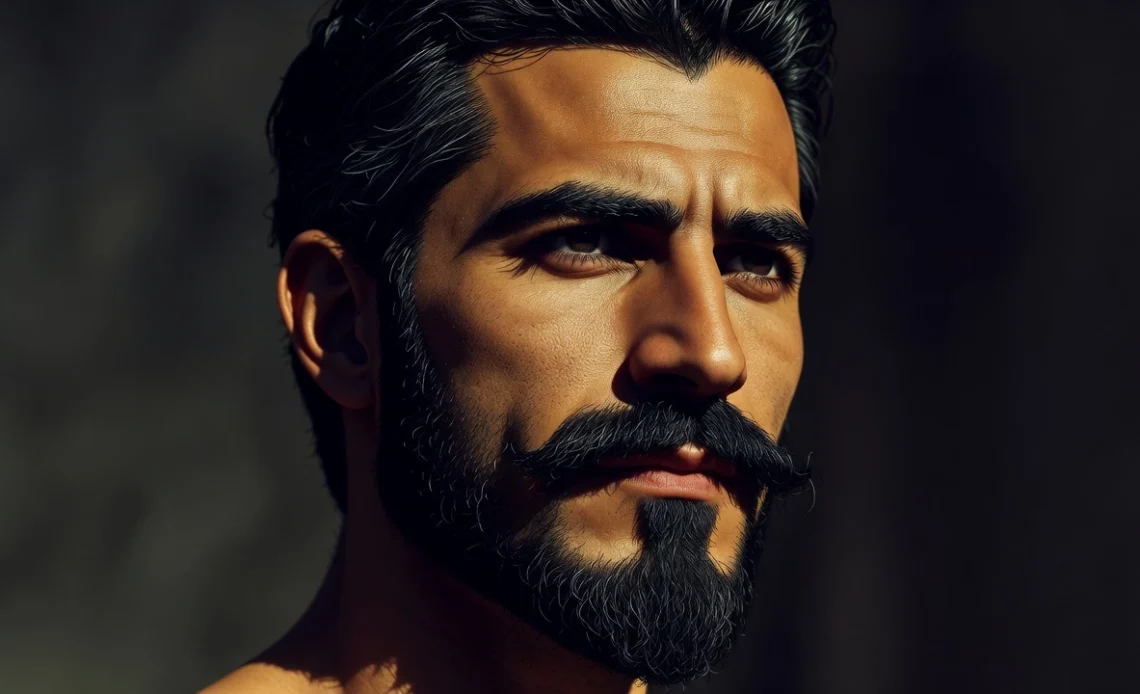
Among the many beard styles available to men today, few achieve the perfect balance between rugged character and polished sophistication as naturally as the ducktail beard. It is a style that carries genuine historical weight, tracing its origins back to Viking grooming culture, while remaining one of the most visually compelling and widely admired ducktail beard designs in contemporary men’s grooming. The distinctive pointed shape at the chin, reminiscent of a duck’s tail, gives the style its name and its unmistakable silhouette. It is simultaneously wild and controlled, casual and deliberate, making it one of the most versatile choices in modern beard culture.
In 2026, the ducktail beard is experiencing a significant resurgence driven by a broader cultural move toward longer, more intentionally cultivated beard styles that celebrate masculine character rather than minimize it. Whether you are growing your first ducktail or looking to refine the one you already wear, this guide covers 20 of the coolest ducktail beard designs available, with face shape guidance, styling notes, and maintenance insight for every variation.
The Classic Short Ducktail Beard
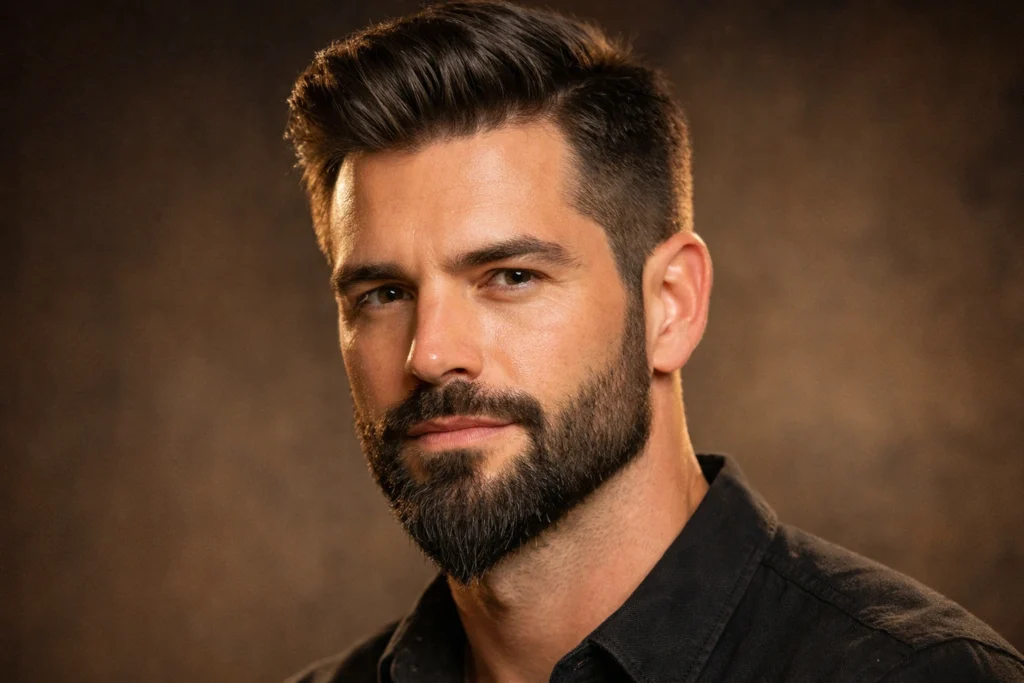 The classic short ducktail is the entry point for men who want to explore this distinctive style without committing to significant length. Kept at approximately two to three inches at the chin with the sides trimmed shorter and blended into the longer central section, it creates the characteristic pointed silhouette in a compact, manageable form that suits both professional and casual environments equally well.
This version is ideal for men who are new to the ducktail beard because it requires less growth time than longer variations and responds well to simple daily maintenance. Beard oil applied each morning keeps the hair soft and the skin beneath hydrated, while a quality boar bristle beard brush trains the chin hair to grow in the downward, tapered direction that creates the duck tail shape. The classic short ducktail suits oval and square face shapes best, where the downward pointing chin adds visual length without overwhelming the face’s natural proportions.
The Long Ducktail Beard
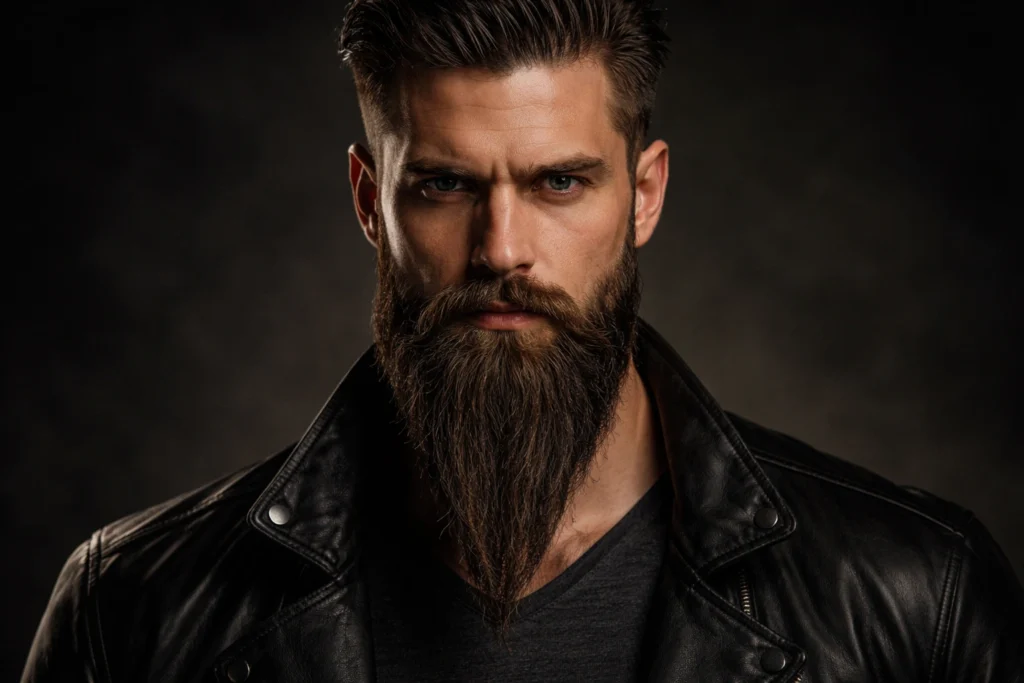
The long ducktail beard takes the style’s signature pointed silhouette to its most dramatic and impressive expression, allowing the chin section to grow to four inches or beyond while the sides are maintained shorter to preserve the tapering form. At this length, the ducktail carries a genuinely commanding presence that references its Viking origins without requiring full Viking beard commitment.
Growing a long ducktail requires patience and consistent daily care throughout the growth process. Beard oil must be applied generously to the longer chin section every morning to prevent dryness and brittleness at the tips, where longer beard hair is most vulnerable to breakage. Regular trimming of the sides every three to four weeks keeps the contrast between the shorter sides and the longer central section clearly defined, which is essential for maintaining the visual integrity of the ducktail shape at greater lengths.
The Ducktail Beard With Fade
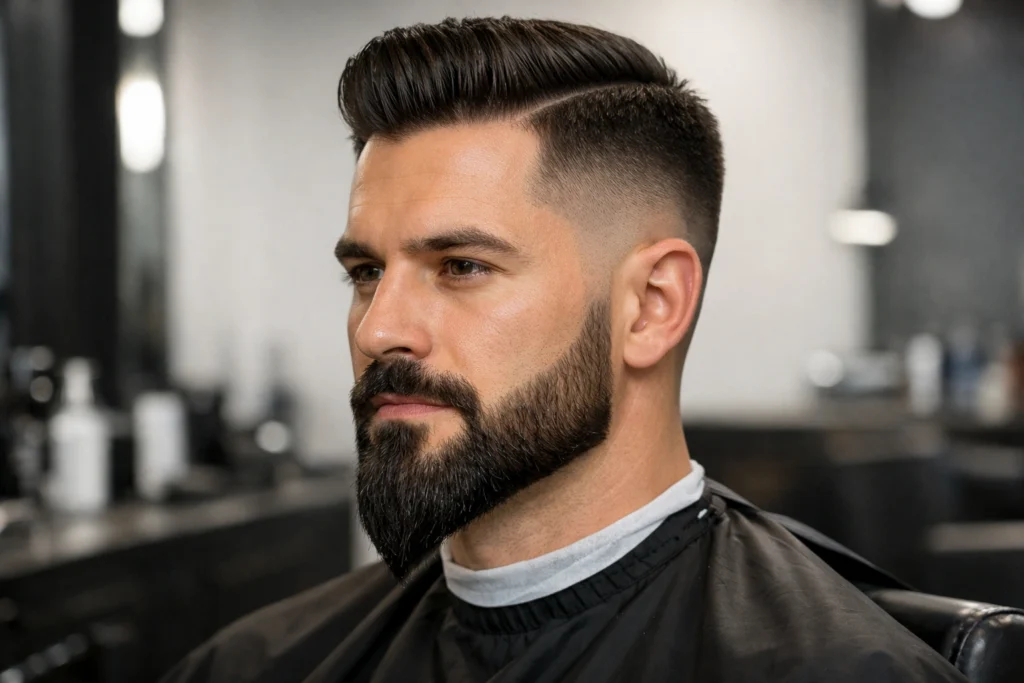
Combining the distinctive pointed silhouette of the ducktail beard with a professional barber fade on the sides produces one of the most technically sophisticated ducktail beard designs available. The fade creates a seamless visual transition from the haircut above down into the beard, with the sides graduating from skin-close or very short at the temples to the fuller, longer chin section below. The result is a unified, architectural composition that is unmistakably modern.
A skilled barber is essential for executing a convincing beard fade alongside a ducktail, as the gradient must be precise and consistent throughout. The ducktail point at the chin becomes even more visually prominent against the closely faded sides, making this version of the style one of the most striking ducktail beard designs in this guide. Regular appointments every two to three weeks keep the fade sharp and the overall composition clean.
The Ducktail Beard With Mustache
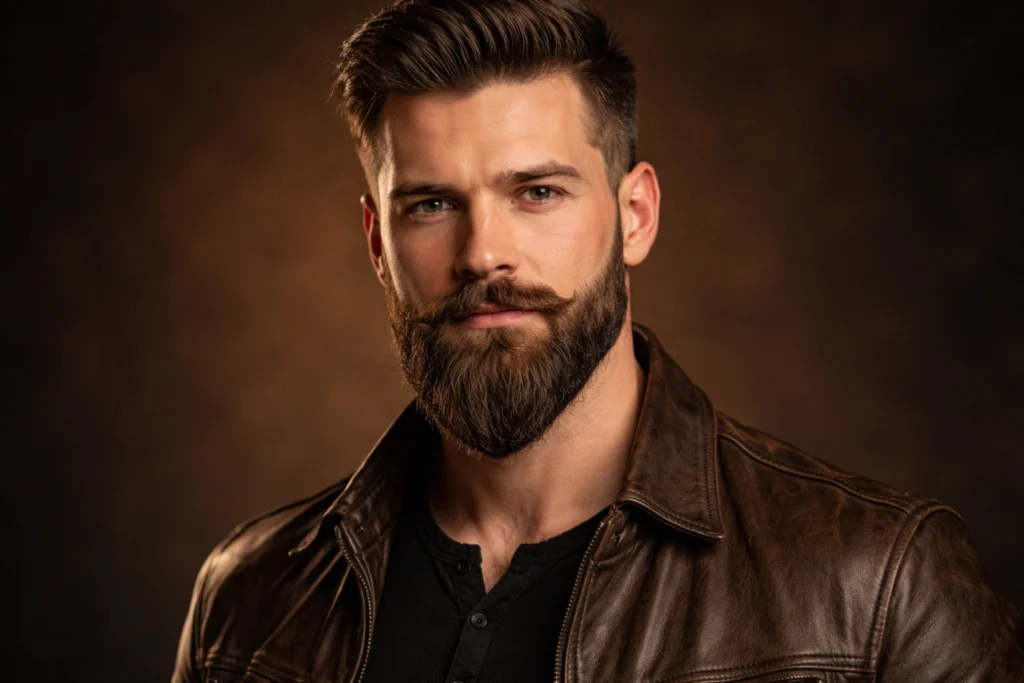
The relationship between the mustache and the ducktail beard is one of the most important styling decisions a man can make when developing this look. A well-maintained, full mustache that integrates naturally into the upper section of the ducktail creates a cohesive, unified beard composition where the mustache and the pointed chin section work together rather than appearing as disconnected elements.
In 2026, the most popular mustache pairing for ducktail beard designs is a natural, slightly fuller mustache that is shaped along the upper lip without being separated from the beard below. This integration gives the overall silhouette greater visual mass and presence while allowing the pointed chin to remain the defining feature of the composition. Mustache wax applied in small amounts keeps the upper element controlled and shaped throughout the day.
The Ducktail Beard With Handlebar Mustache
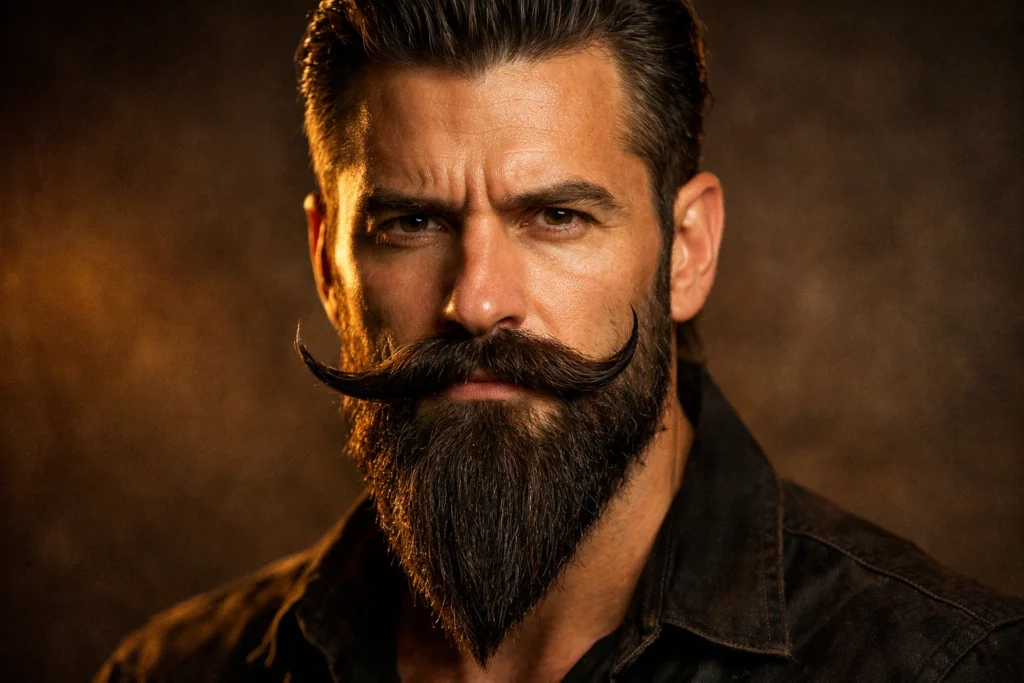
For men who want to take the ducktail beard’s expressive potential to its furthest point, pairing it with a wax-styled handlebar mustache creates one of the most dramatically individual ducktail beard designs available. The upturned, sculpted ends of the handlebar mustache contrast strikingly with the downward-pointing ducktail below, creating a vertical tension between the two elements that is simultaneously bold and artistically considered.
This combination suits men with strong, defined facial features who are comfortable wearing a look that attracts attention and invites conversation. The handlebar mustache requires consistent wax application and daily shaping with a fine-tooth mustache comb to train the ends into the characteristic upturned curve. Together with the ducktail beard, it creates a complete grooming statement that is unlike anything else in the masculine beard styles landscape.
The Salt and Pepper Ducktail Beard
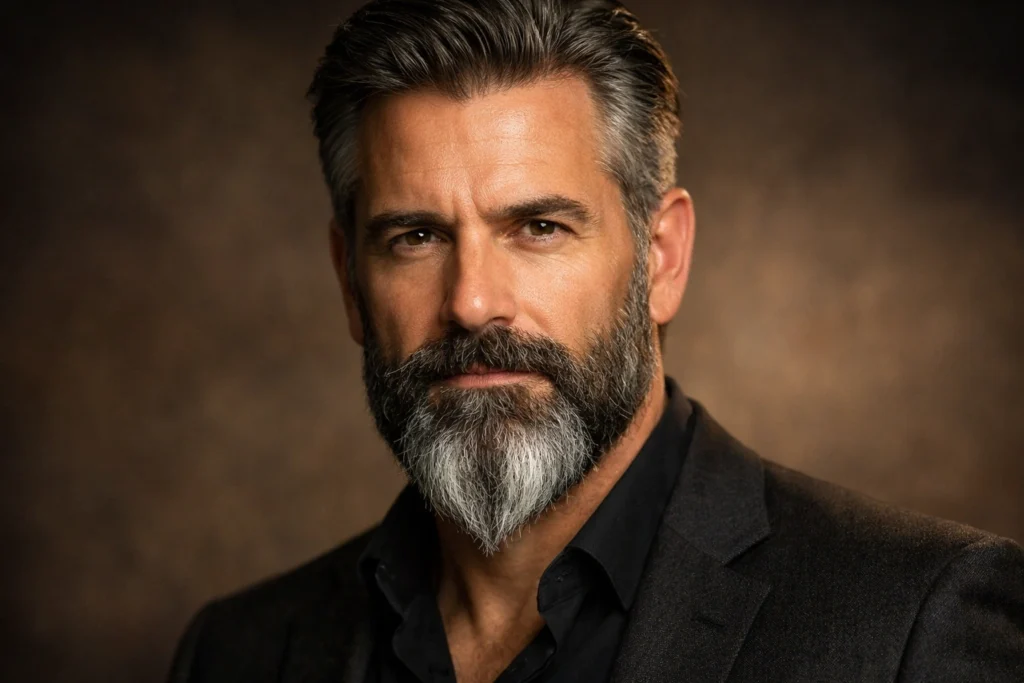
The natural interplay of dark and silver tones through a ducktail beard creates one of the most visually compelling ducktail beard designs available, adding depth, dimension, and a distinguished character that single-color beards simply cannot replicate. In 2026, embracing the salt and pepper coloring of a ducktail beard is recognized as one of the most confident and aesthetically rewarding grooming choices a mature man can make.
The silver sections of a salt and pepper ducktail tend to be slightly coarser than the darker hair, requiring attentive conditioning to keep the full beard uniformly soft and manageable. Daily beard oil application addresses this difference effectively, and a gentle beard conditioner used two to three times per week provides the additional moisture that gray beard hair needs to maintain its best appearance. The pointed ducktail shape becomes particularly dramatic in salt and pepper coloring, where the tonal contrast at the tip creates a visual focal point of genuine distinction.
The Ducktail Beard With Undercut Haircut
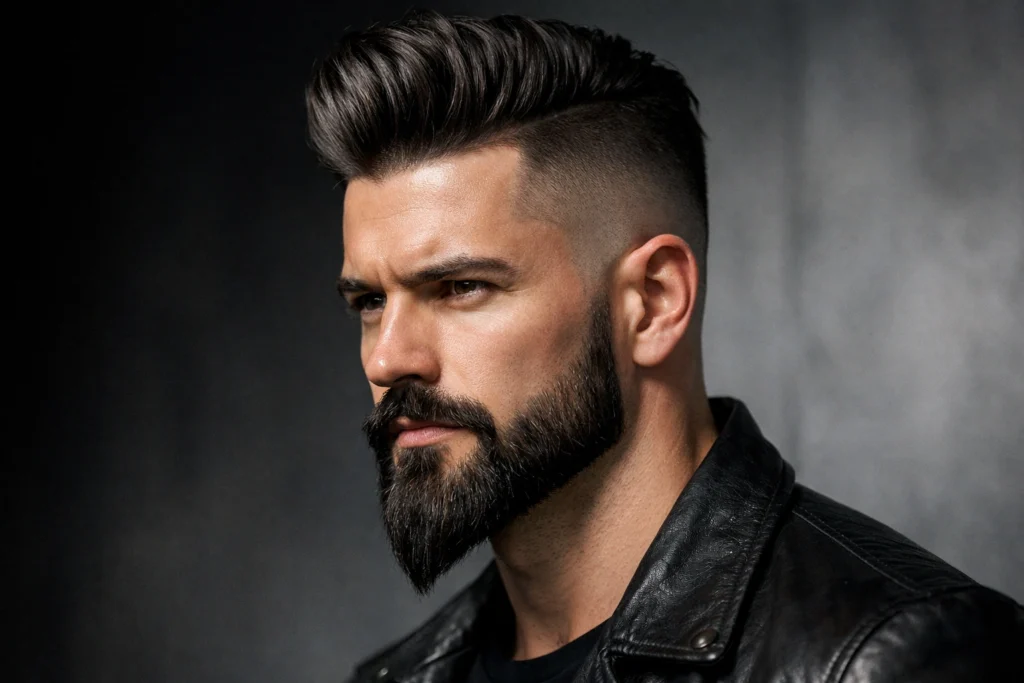
The undercut haircut and the ducktail beard share a structural sensibility, both emphasizing dramatic contrast between closely clipped sides and longer, fuller central sections. When paired together, the disconnected undercut above and the tapered ducktail below create a complete head-to-chin composition that is unmistakably bold and architecturally precise.
This pairing is particularly popular among men in creative and artistic professional environments where individual style expression is valued. The undercut’s closely clipped or shaved sides amplify the visual impact of both the haircut above and the ducktail point below, making every element of the composition more prominent. Styling the longer hair on top to sweep back while the ducktail points downward creates a strong directional contrast throughout the entire look.
The Rounded Ducktail Beard

Not every ducktail beard needs to taper to a sharply defined point. The rounded ducktail is a softer, more approachable interpretation of the style that maintains the characteristic downward convergence of the chin section without the precision of a sharp geometric tip. The result is a look that retains the ducktail’s essential character while feeling more relaxed and naturally grown rather than precisely sculpted.
The rounded ducktail suits a wider range of face shapes than the sharp-pointed version because the softer lower edge reduces the degree of added facial length that a pronounced point creates. It is an excellent choice for men with naturally wide or square face shapes where excessive chin elongation would distort rather than flatter the face’s proportions. Regular trimming every four weeks maintains the rounded silhouette and prevents the sides from growing out to the point where the central section loses its defining distinction.
The Viking-Inspired Long Ducktail Beard
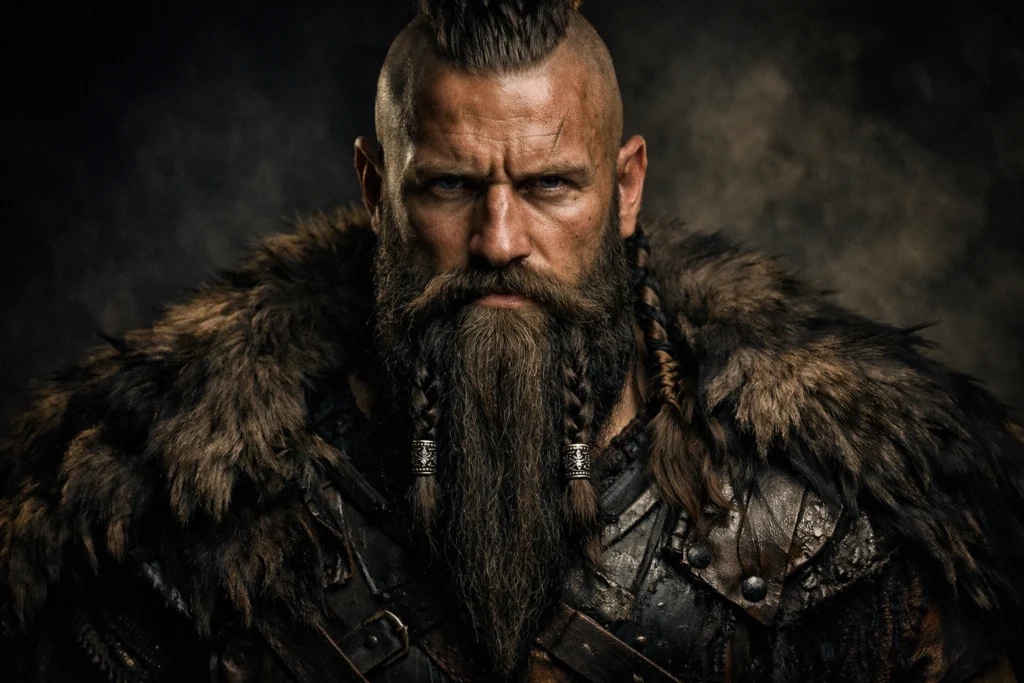
The Viking-inspired ducktail beard takes the long ducktail to its most culturally resonant expression, allowing the beard to grow to chest-approaching length while maintaining the fundamental tapering shape that distinguishes it from a standard full beard. This version may include braiding elements at the chin or mustache sections, referencing the grooming traditions of Norse culture while creating a completely individual piece of personal expression.
Managing a Viking-inspired long ducktail requires the most demanding daily care of any ducktail beard design in this guide. Daily beard oil applied generously throughout the full length, regular brushing to train the growth direction, and monthly trimming to maintain the tapering silhouette are all essential practices. Beard balm applied to the longer sections provides additional hold and structure to preserve the pointed shape throughout the day.
The Short Ducktail With Clean Cheek Lines

A variation that bridges the casual character of the ducktail beard with the precision of corporate-friendly grooming, the short ducktail with clean defined cheek lines brings a professional clarity to the style that makes it viable in formal work environments where more rugged versions might attract unwanted attention.
The cheek lines are maintained with a precision trimmer and razor to create sharp, clean boundaries between the bearded area and the clean-shaven cheeks. This precision elevates the entire composition, transforming what might otherwise read as a casual rugged style into a polished, intentional grooming choice that communicates the same control and seriousness as a boxed beard. It suits most face shapes and is the most office-appropriate ducktail beard design available.
The Ducktail Beard With Braids
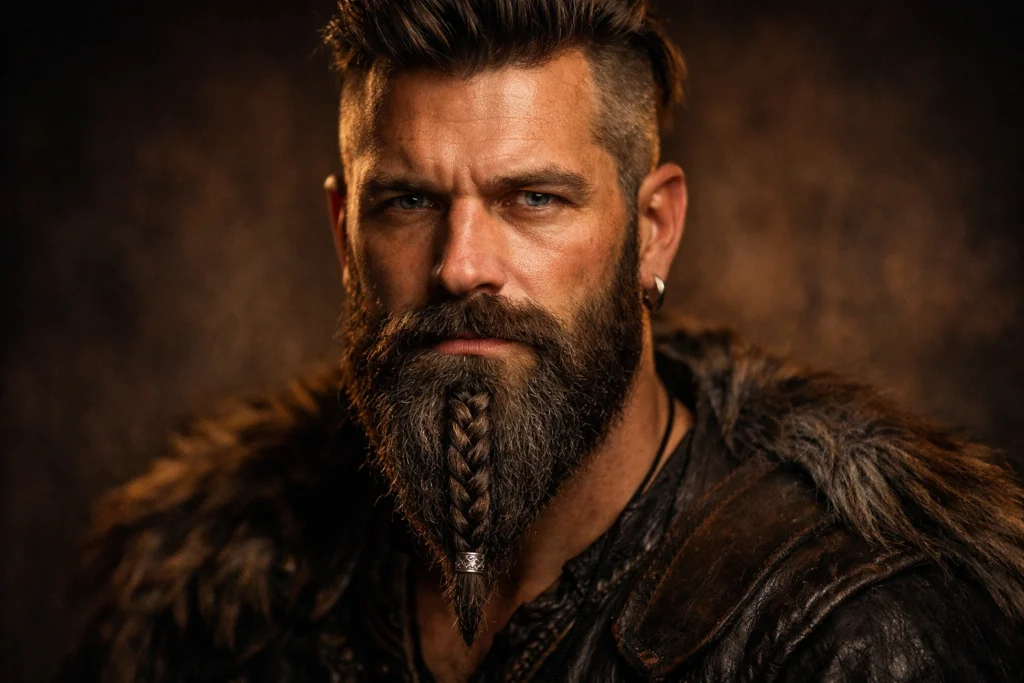
Braiding elements within a ducktail beard adds a layer of individual craft and cultural expression that sets this variation apart from every other ducktail beard design. Whether a single braid runs the length of the pointed chin section, or multiple smaller braids are woven throughout the longer beard areas, the braiding creates a visual texture and structural complexity that is genuinely unique to the individual wearing it.
Beard braiding requires sufficient length, typically a minimum of three inches at the braiding point, for the hair to hold securely without slipping. A small amount of beard balm or wax applied before braiding helps the hair maintain its structure. The braid should be released and the hair properly conditioned each evening to prevent the mechanical stress of repeated braiding from causing breakage in the longer sections over time.
The Ducktail Beard for Round Face Shapes
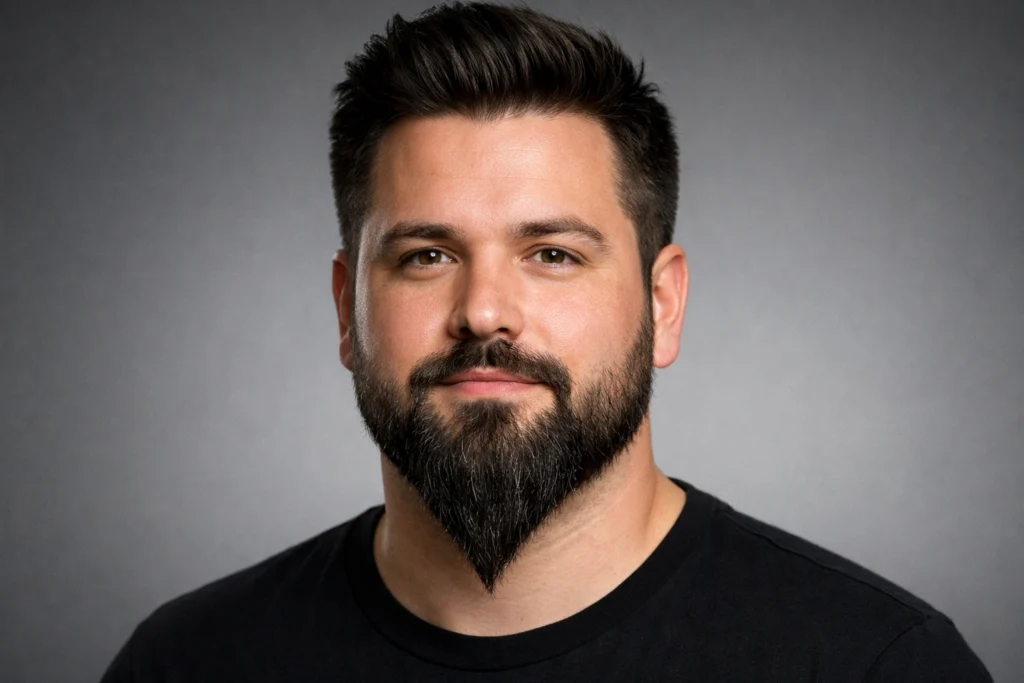
Men with round face shapes benefit enormously from the ducktail beard’s characteristic pointed silhouette, which creates the vertical elongation that round faces require to appear balanced and well-proportioned. The downward-pointing chin of the ducktail works as a natural visual anchor that draws the eye down and extends the perceived length of the face, counteracting the circular quality of a round face shape with directional emphasis.
For round faces, the ideal ducktail beard design features a relatively longer, more prominently pointed chin section combined with shorter sides that prevent any additional visual width from being added at the cheeks. A clean cheek line maintained with regular shaving further reduces visual width at the upper beard area, keeping the emphasis firmly on the pointed central section where it flatters the face most effectively.
The Ducktail Beard for Square Face Shapes
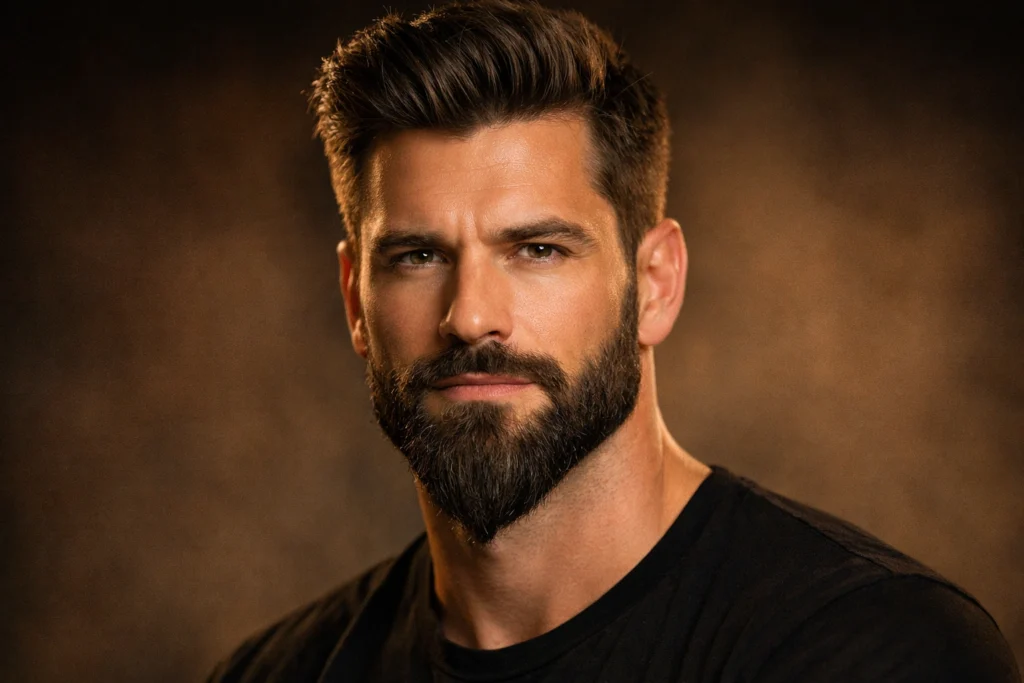
Square face shapes are among the most naturally compatible with ducktail beard designs because the strong angular jawline that characterizes a square face provides the structural foundation that makes the ducktail’s tapered shape particularly striking. The beard softens the jaw’s angular quality while the pointed chin adds visual length to balance the face’s equal width and height.
For square face shapes, the ducktail beard works best at a medium length of two to four inches, where the tapering point is clearly defined but not so long that it creates disproportionate elongation. The sides should be kept at a length that is noticeably shorter than the chin section to maintain the characteristic contrast, but not so close-cropped that the face appears overly narrow at the sides.
The Ducktail Beard With Skin Fade
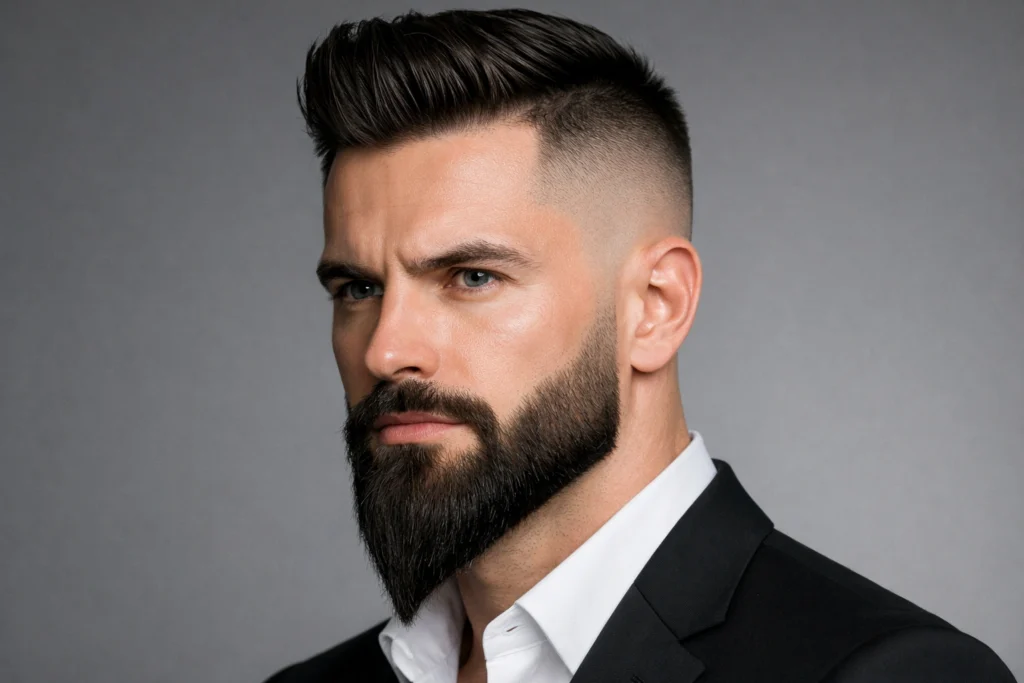
The skin fade ducktail beard design is the most technically precise and visually dramatic pairing of fade barbering with the ducktail style. The sides are faded all the way down to bare skin, creating the maximum possible contrast between the closely shaved sides and the longer, tapered chin section of the ducktail. The result is a look that is simultaneously bold, sharp, and modern, with the ducktail’s pointed silhouette appearing even more defined against the skin-close surroundings.
Skin fade maintenance requires barber visits every one to two weeks to prevent regrowth from softening the dramatic contrast that defines this style. For men who enjoy the ritual of regular barbershop maintenance and who want a ducktail beard design that makes the maximum possible visual impact, the skin fade version is the most consistently striking option available.
The Textured Ducktail Beard
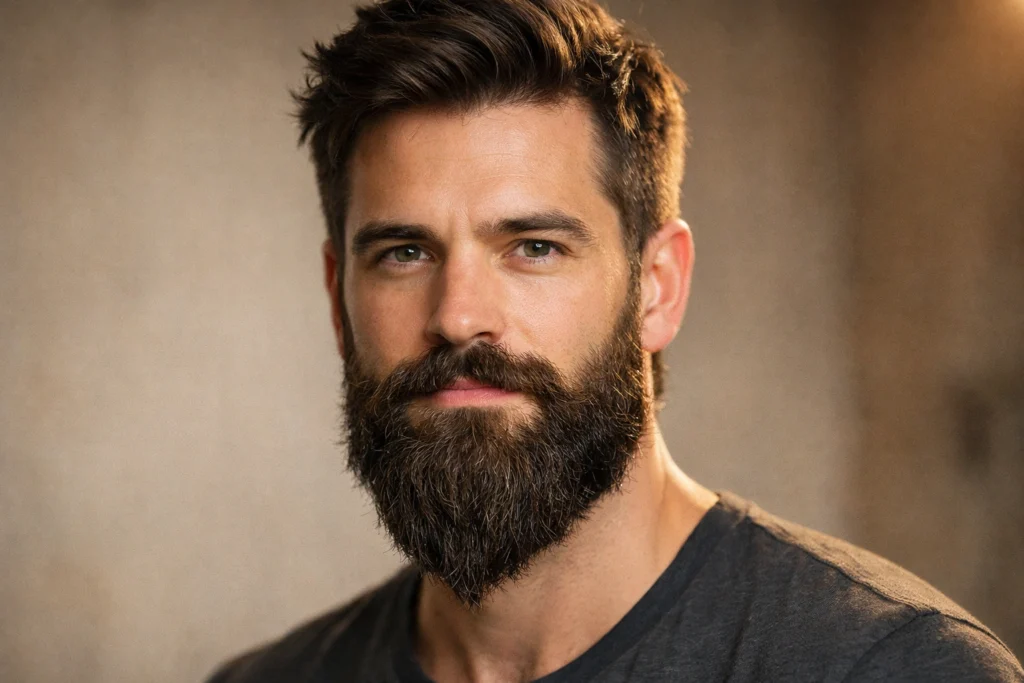
The textured ducktail beard embraces the natural texture and movement of beard hair rather than training it into a smooth, uniform surface. Individual hairs are allowed to express their natural direction and character within the overall ducktail silhouette, creating a visually rich, dimensional quality that makes the beard appear full of life and organic vitality.
Achieving a convincing textured ducktail requires a targeted product approach. A lightweight beard balm applied with the fingers and worked through the beard in a kneading motion distributes hold without flattening the natural texture. The pointed chin shape is maintained through light trimming rather than heavy product application, allowing the beard’s natural character to animate the overall composition while the ducktail silhouette provides the structural framework.
The Ducktail Beard With a Defined Neckline
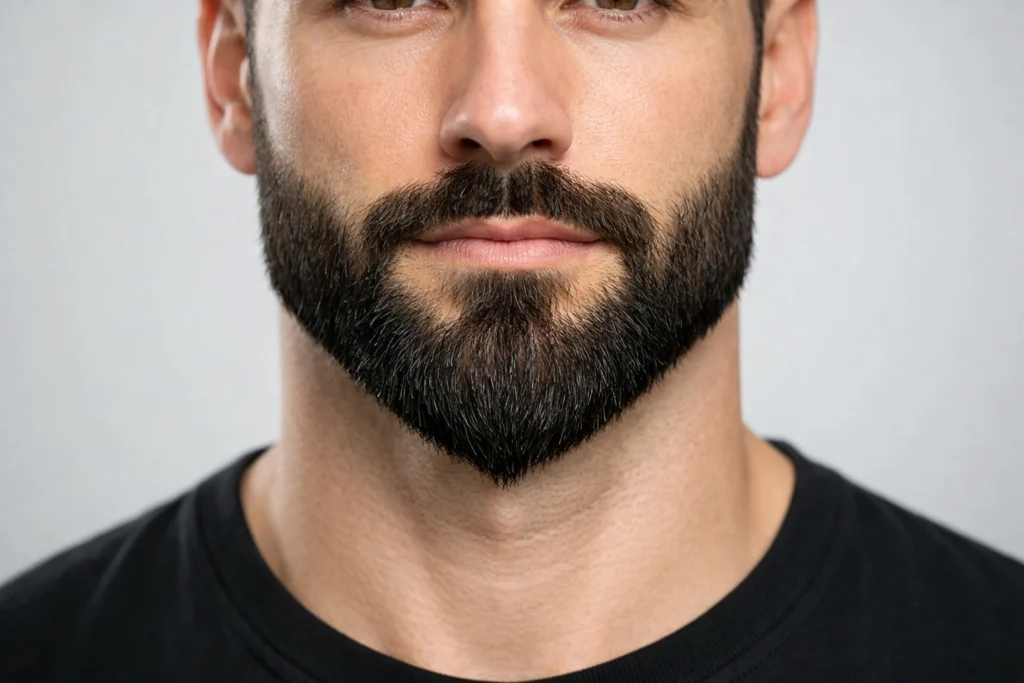
One of the most impactful refinements a man can make to any ducktail beard design is the definition of a clean, correctly positioned neckline. A well-defined neckline, placed just above the Adam’s apple and following the natural curve of the jaw, transforms the ducktail from something that simply grows downward from the face into a structured, intentional style with a clear lower boundary that provides visual authority.
Many men growing ducktail beards make the mistake of either neglecting the neckline entirely or shaving it too high, both of which compromise the overall quality of the style. The correct neckline should be maintained at every barber visit or home grooming session, as its consistent definition is one of the most significant contributors to the polished quality that distinguishes a great ducktail from a merely adequate one.
The Ducktail Beard Paired With Long Hair
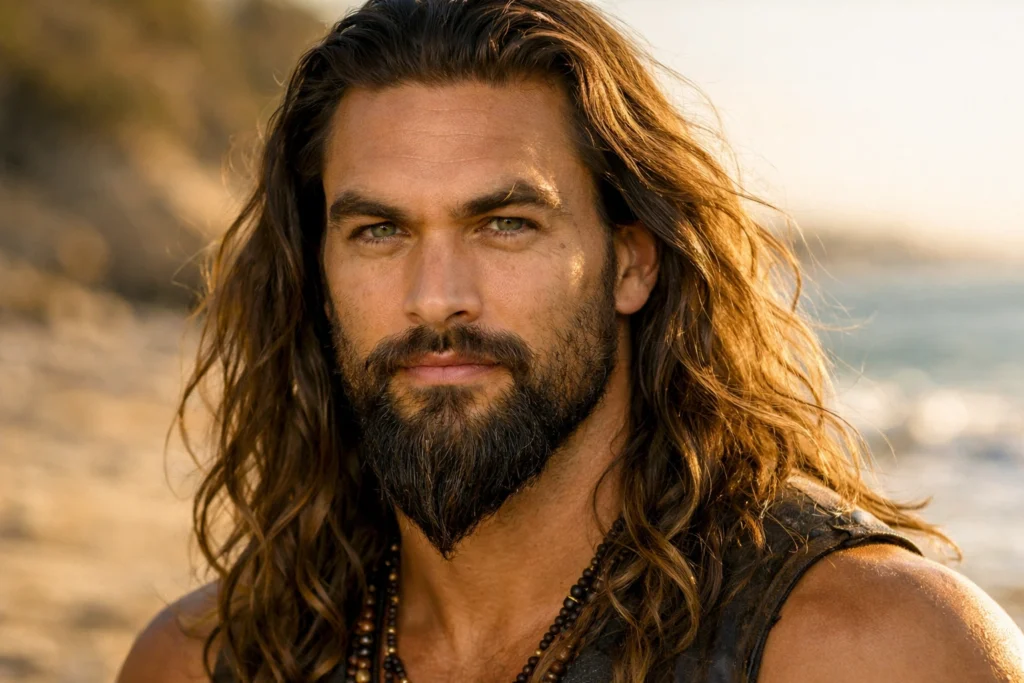
Pairing a ducktail beard with longer, well-maintained hair on the head creates one of the most complete and visually powerful masculine style statements available. The association with Jason Momoa’s Aquaman aesthetic has made this combination widely recognized and aspirational, combining the flowing quality of longer hair with the structured, pointed definition of the ducktail beard below.
When wearing long hair with a ducktail beard, the condition of both elements is critical. Long hair that shows split ends or dryness alongside a well-maintained beard creates an imbalance that undermines the overall look. Both elements must be maintained in excellent condition simultaneously, with the hair receiving regular trimming and deep conditioning and the beard receiving its daily oil application and periodic shaping trims.
The Ducktail Beard With Stubble Cheeks
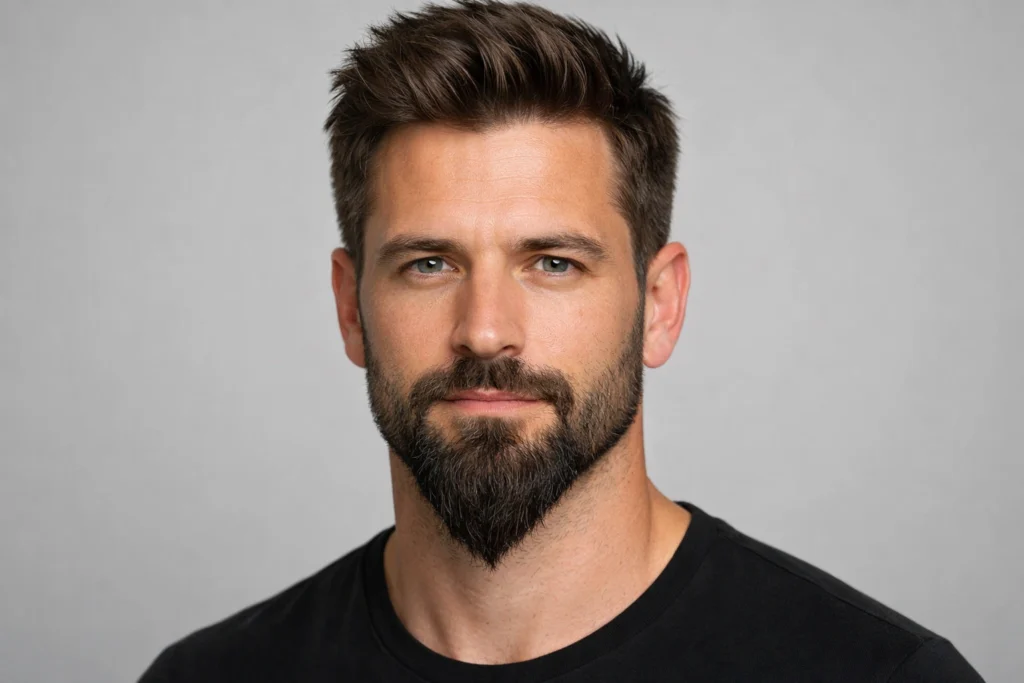
A subtle but highly effective variation, the ducktail beard with stubble cheeks keeps the central chin section at the longer, tapered ducktail length while allowing the cheeks to maintain a light stubble coverage rather than being closely shaved or grown into full beard territory. The result is a style that has the visual depth of a full beard with the defined shape of a classic ducktail.
The stubble on the cheeks should be kept consistently shorter than the central ducktail section, maintained with a trimmer set to two or three millimeters every two to three days. This consistent length differential between the cheek stubble and the longer chin section maintains the tapering effect that defines the ducktail’s essential character while adding a fuller, more substantial overall beard presence.
The Ducktail Beard for Athletes and Active Men

The ducktail beard is one of the most practical long beard style choices for active men and athletes because its shorter sides and concentrated length at the chin create a profile that stays relatively controlled during physical activity compared to a standard full beard of comparable length. The tapered shape naturally directs the beard downward and inward rather than outward, which reduces the degree to which the beard moves during exercise.
Beard care for active men who wear ducktail beard designs requires additional attention to cleanliness. Post-workout washing with a gentle beard shampoo removes sweat and environmental debris that accumulate in the longer chin section during exercise. Applying beard oil after washing and drying restores the moisture that sweat and frequent washing can remove, keeping the beard in consistently good condition despite the increased cleaning demands of an active lifestyle.
Maintaining Your Ducktail Beard for Long-Term Success
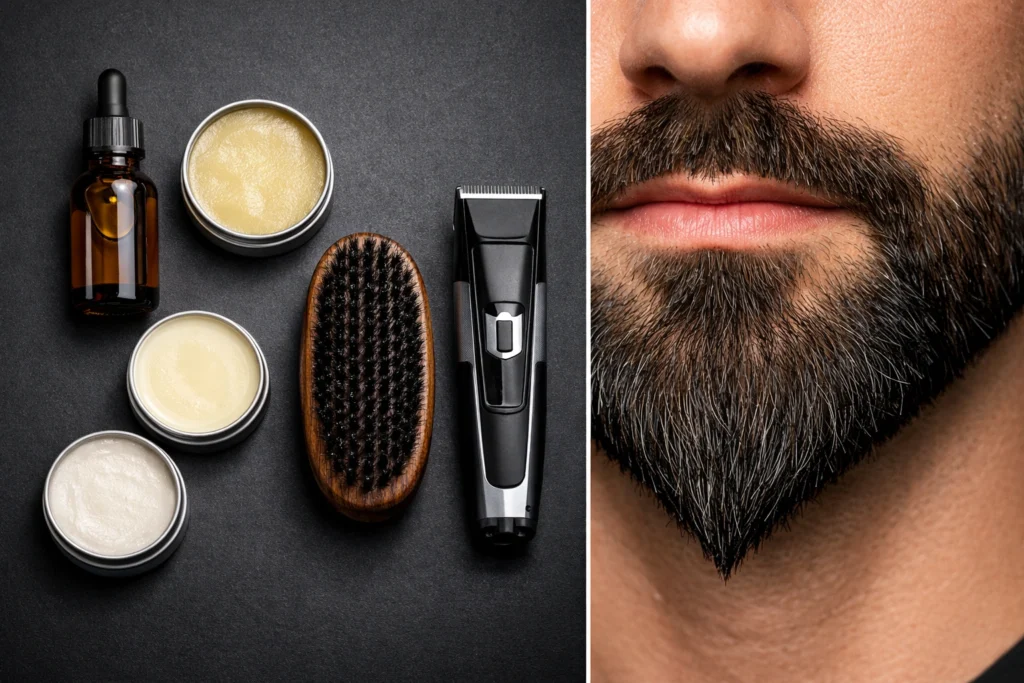
The long-term success of any ducktail beard design depends entirely on the consistency and quality of the maintenance routine established from the earliest days of growth. Unlike some beard styles that can absorb periodic neglect without severe visual consequences, the ducktail’s defining characteristic of a clearly tapered pointed shape requires regular attention to preserve its essential form as the beard continues to grow.
A complete ducktail beard maintenance routine includes daily beard oil application throughout the full beard from root to tip, daily brushing with a quality beard brush to train growth direction and distribute oil evenly, weekly inspection of the side-to-chin length differential to ensure the tapering shape is being maintained, and barber or self-trimming appointments every three to four weeks to remove split ends, refresh the cheek lines and neckline, and refine the point of the ducktail as needed. Beard balm applied in the morning after the oil provides additional hold and structure to preserve the shape throughout the day, particularly in humid conditions where beard hair tends to soften and lose its trained direction.
Conclusion
Ducktail beard designs represent one of the most compelling balances available in men’s grooming. They occupy the space between fully wild and meticulously sculpted with a naturalness that few other styles can achieve. Whether you choose the classic short version for its clean professionalism, the long Viking-inspired expression for its commanding historical resonance, or any of the 18 variations in between, the ducktail offers a level of individual expression that rewards genuine commitment and careful maintenance.
The standout quality that makes the ducktail beard such an enduring choice is its versatility. It suits multiple face shapes, pairs well with a broad range of haircut styles, and can be adjusted in length, sharpness, and texture to suit almost any personal aesthetic. Choose the ducktail beard design that resonates most deeply with your own character, work with a skilled barber who understands its shaping requirements, and commit to the daily maintenance practices that keep it performing at its absolute finest. The result will be a look that genuinely stands out for all the right reasons.
You may also like this post: 23 Bold & Refined Beard Styles Defining Men’s Looks in 2026
Frequently Asked Questions
How long does it take to grow a ducktail beard?
Growing a convincing classic short ducktail beard typically requires two to three months of uninterrupted growth to reach the minimum chin length needed to create the characteristic tapered shape. A more pronounced long ducktail with a clearly defined pointed shape generally requires four to six months of consistent growth. The exact timeline varies based on individual beard growth rates, which average approximately half an inch per month for most men. During the growth phase, maintaining the sides at a shorter length than the chin section from the earliest weeks helps establish the tapering shape as the beard develops.
What face shapes suit ducktail beard designs best?
Oval and square face shapes are the most naturally compatible with ducktail beard designs. Oval faces can carry virtually any ducktail variation with great success due to their balanced proportions. Square faces benefit from the ducktail’s ability to soften the angular jawline while adding vertical length through the pointed chin. Round faces benefit particularly from the elongating effect of the ducktail point, which counteracts the circular quality of the face shape. Rectangular or oblong faces should approach longer ducktail designs with caution, as additional chin length can exaggerate an already long face’s proportions.
What products are essential for maintaining a ducktail beard?
The three most essential products for maintaining ducktail beard designs are beard oil, beard balm, and a quality beard brush. Beard oil conditions both the hair and skin beneath, keeping the longer chin section soft and preventing dryness and breakage at the tips. Beard balm provides light hold and structure to preserve the tapering shape throughout the day, particularly in the chin section where the pointed form needs support. A beard brush trains the growth direction consistently and distributes products evenly throughout the full beard. For variations that include a styled mustache, a quality mustache wax is also essential.
How often should a ducktail beard be trimmed?
Most ducktail beard designs benefit from a trimming session every three to four weeks to maintain the essential shape and remove split ends that develop in the longer chin section. The sides, which are kept shorter than the chin, may need more frequent trimming every two to three weeks to prevent them from growing out to a length where they blur the contrast that defines the ducktail’s silhouette. The cheek lines and neckline should be refreshed at every trimming session to maintain the clean structural boundaries that give the overall style its polished quality.
Can a ducktail beard be grown with patchy beard growth?
A ducktail beard can be worn effectively by many men with mildly patchy growth patterns, provided the patchiness is most pronounced in the cheek area rather than the chin and mustache sections. Because the ducktail design naturally keeps the cheeks shorter than the chin, mild cheek patchiness is less visually significant than it would be in a full beard. The longer, fuller chin section draws the eye away from the shorter cheek areas. Men with significant patchiness at the chin itself will find the ducktail more challenging to execute convincingly, as the central section’s length and density are the defining visual elements of the style.
1 Comment