Introduction
If there is one haircut that has dominated barbershop conversations in recent years, it is the mid taper fade. Walk into any professional barbershop today and ask what style men request most, and the answer will almost certainly point toward some variation of this cut. The reason is straightforward: the mid taper fade sits in the ideal middle ground between a subtle low fade and an aggressive high fade, offering a clean, structured look without going to either extreme.
The fade begins around the temples and blends smoothly downward toward the neckline, creating a gradual transition that sharpens the jawline and lifts the overall appearance. Mid taper fade haircuts for men work across virtually every hair type, from tight natural coils to fine straight strands, and they suit an equally wide range of lifestyles. Whether you work in a formal office environment or prefer a casual street-influenced aesthetic, there is a mid taper fade variation that fits your daily context.
This guide covers 15 of the most modern and wearable mid taper fade styles available right now. Each one comes with practical insight on who it suits, how to style it, and what makes it worth considering.
Classic Mid Taper Fade
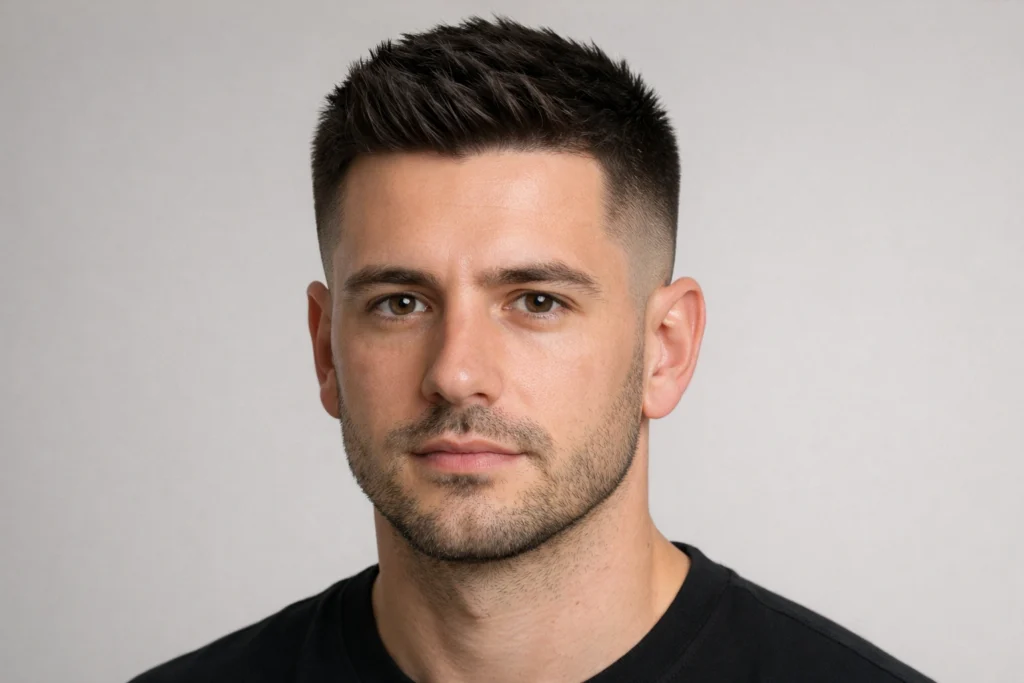
The classic version of this cut is where everything begins. The hair tapers from mid-height on the sides, blending cleanly around the ears and down to the neckline, while the top retains enough length to style in multiple directions. It is clean, timeless, and professional without being rigid.
This cut suits oval, square, and diamond face shapes particularly well because the structured sides create symmetry and definition. It works on straight, wavy, and moderately textured hair types. For styling, a medium-hold matte clay or lightweight pomade is all that is needed to shape the top in whatever direction you prefer on a given day. The beauty of the classic version is that it never demands much from you but always delivers a sharp, deliberate result.
Maintenance is straightforward. A visit to the barber every two to three weeks keeps the fade line crisp and the neckline clean. Letting the fade grow out for more than three weeks tends to reduce the contrast that makes this cut work.
Mid Taper Fade with Textured Crop
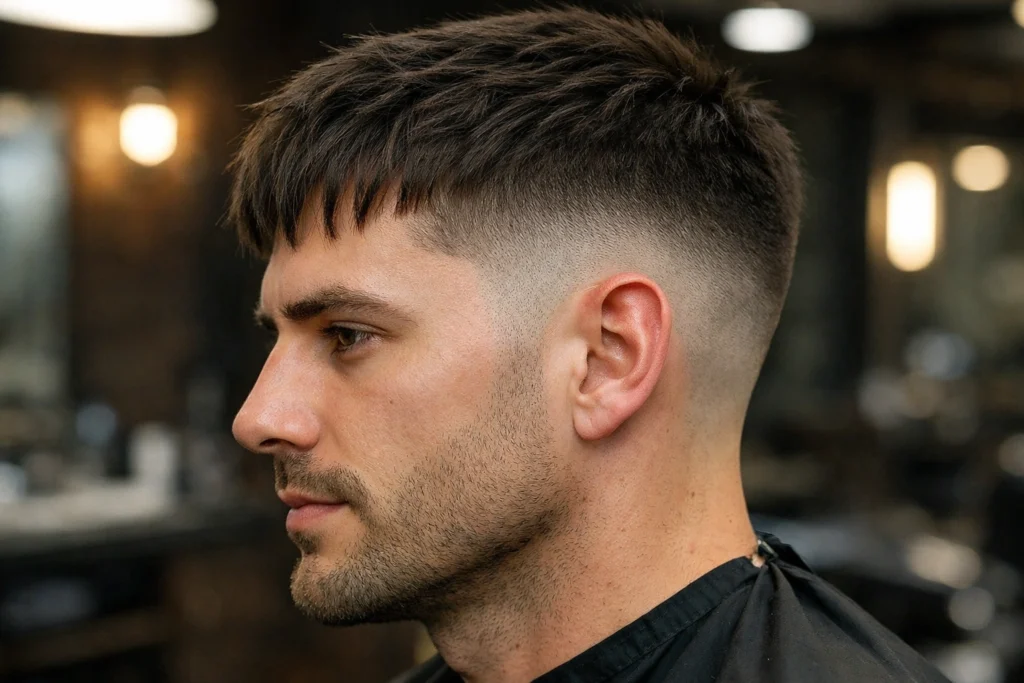
The textured crop paired with a mid taper fade has become one of the most requested combinations in modern barbering. The top is cut short and choppy, with the fringe sitting forward across the forehead in a blunt or slightly jagged line. The mid fade on the sides keeps everything neat and contained while the top carries all the visual character.
This style works particularly well for men with naturally thick or slightly wavy hair, as the texture of the top section is what gives the cut its personality. It is a low-maintenance option in terms of daily styling because the cut itself does most of the work. A small amount of matte texture clay worked through slightly damp hair and allowed to air dry or blow-dried forward produces the right result without effort.
The textured crop with a mid fade suits square and oval face shapes and is especially popular among men in their twenties and thirties who want something modern and forward-leaning without being high-maintenance.
Mid Taper Fade with Curly Hair
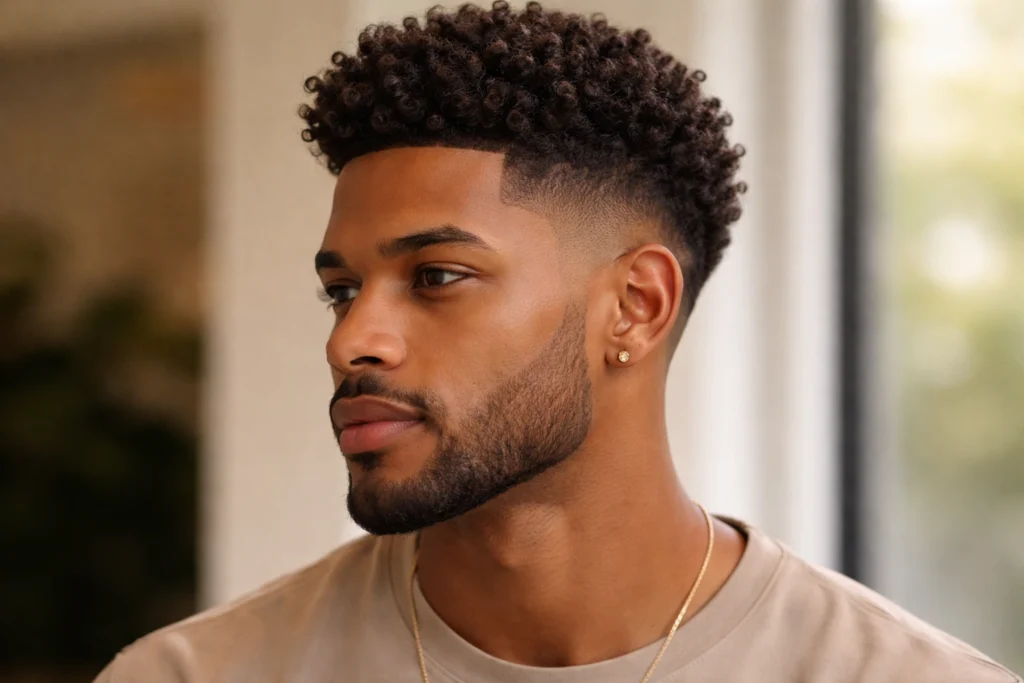
For men with naturally curly hair, the mid taper fade is genuinely one of the most flattering cuts available. The fade keeps the sides clean and structured, creating a defined boundary between the tapered sides and the natural curl pattern on top. The result is a haircut that feels both controlled and expressive.
The key to making this cut work is allowing the curls on top enough length to form properly. Cutting the top too short can disrupt the natural curl pattern and leave the style looking unfinished. Most barbers recommend leaving the top at a length where the curls can cluster and stack, typically around two to three inches depending on the tightness of the curl.
Styling is straightforward. A curl-enhancing cream or a lightweight mousse applied to damp hair, followed by air drying or diffusing on low heat, encourages the curls to hold their shape without becoming stiff or crunchy. Men with round or diamond face shapes tend to benefit most from this cut because the volume created by the curls on top adds vertical length and structure.
Mid Taper Fade Comb Over
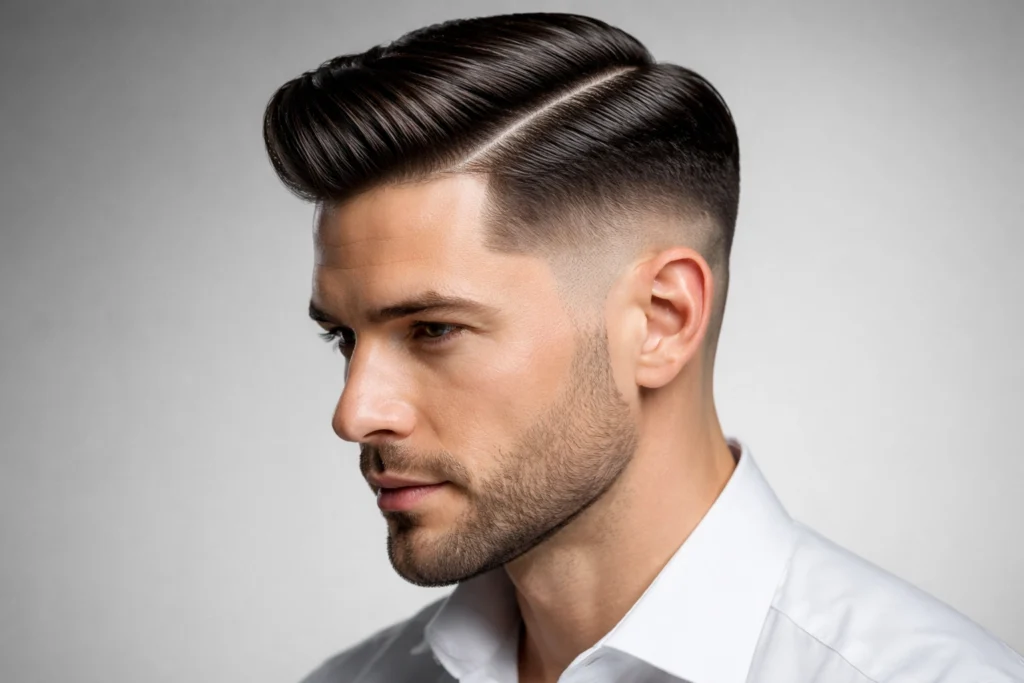
The comb over paired with a mid taper fade is one of the most versatile cuts a man can have in his grooming arsenal. It bridges the gap between polished and contemporary, looking equally at home in a business meeting and a casual setting. The top is left long enough to comb neatly to one side, creating a defined parting line, while the tapered sides provide the modern contrast that separates this from a purely traditional comb over.
A strong-hold, medium to high-shine pomade is the product of choice for this style. Apply it to slightly damp hair and use a comb to push the top section firmly to one side, working from the root to keep the part clean and the surface smooth. The result holds well through a full day without requiring touch-ups.
Oval, rectangular, and square face shapes suit this cut particularly well. It is also one of the most adaptable cuts in terms of professional context, making it a consistent favorite among men who need their hairstyle to perform in multiple environments.
Mid Taper Fade for Black Men
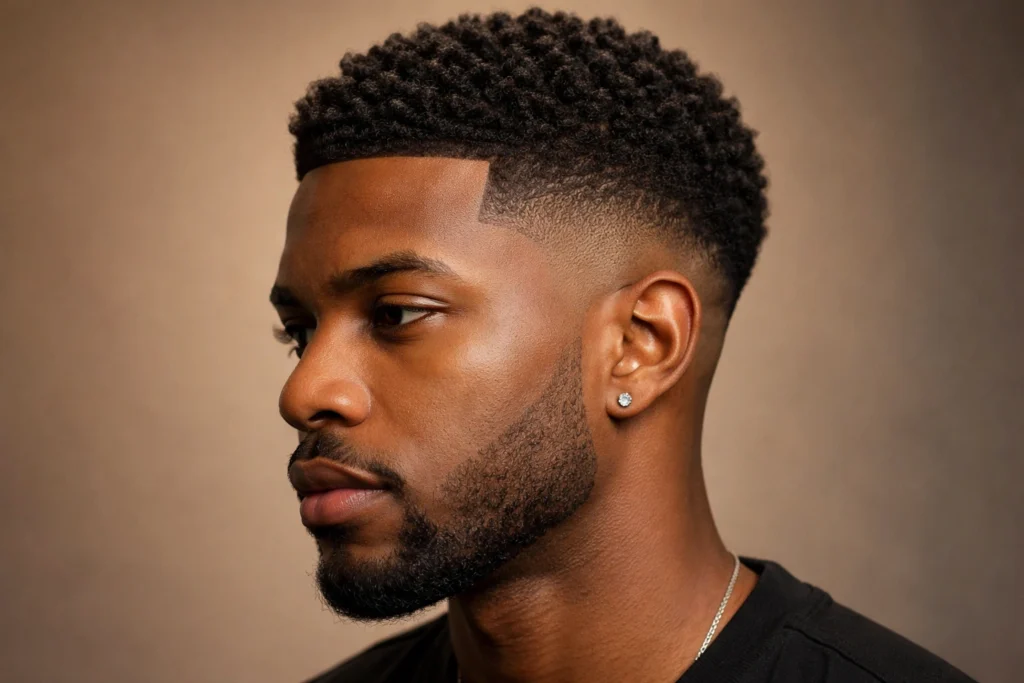
The mid taper fade has become a cornerstone of Black men’s grooming culture, and for good reason. It complements natural textures including tight coils, waves, and afro-textured hair in a way that enhances rather than suppresses their character. The fade provides clean, structured sides while the top is free to express natural hair pattern, volume, and personal style.
This cut is particularly impactful when paired with a sharp lineup at the hairline, which adds an additional layer of definition and frames the face with precision. The lineup is the detail that elevates the entire cut from clean to exceptional, and a skilled barber will approach it with care.
Product choices for this cut should support and define natural texture without weighing hair down. Shea butter-based creams, lightweight curl defining products, and moisturizing pomades all work well depending on whether the top is styled as defined coils, waves, or a shaped natural. Regular upkeep of the fade and the lineup every one to two weeks keeps the cut looking intentional.
Mid Taper Fade Quiff
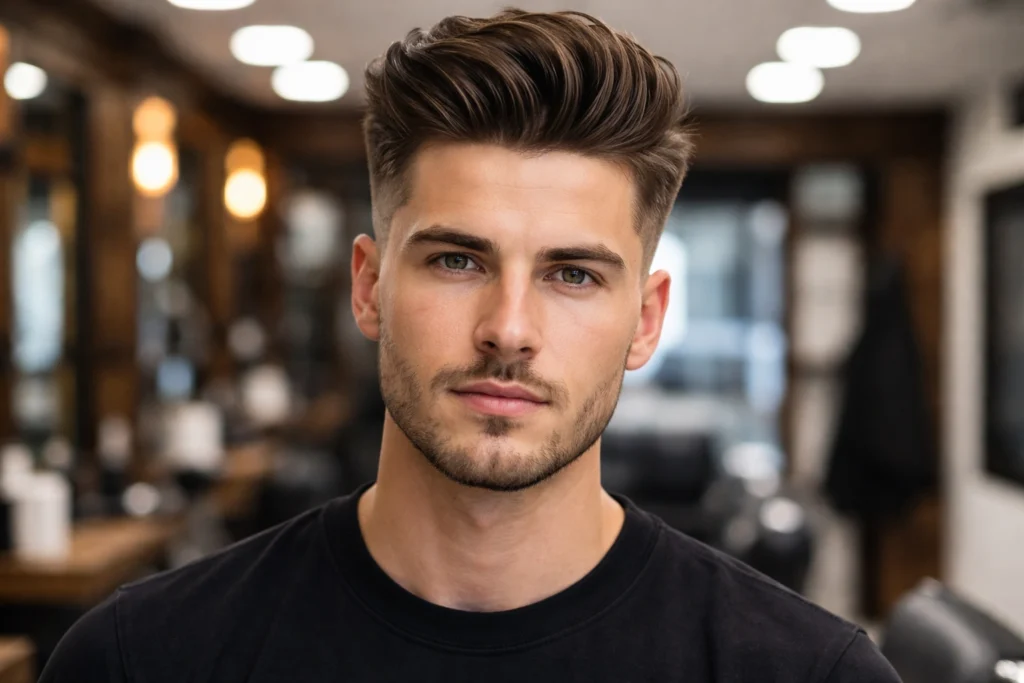
The quiff is a style that projects confidence, and when set against a mid taper fade, it becomes one of the most visually striking options in men’s hairstyling. The front section of the hair is styled upward and slightly back, creating a lifted volume that draws the eye upward and gives the entire silhouette more height and dimension.
Achieving the right quiff shape requires a blow dryer and a round brush or the fingers. Dry the front section upward while directing it slightly backward, building volume at the root. Finish with a molding paste or a flexible-hold clay to set the shape without making it stiff. The quiff should look full and deliberate without appearing lacquered or forced.
This cut works best for men with medium to thick hair that holds shape well under product. Oval and long face shapes are particularly well-suited to the quiff because the height it creates complements rather than exaggerates the face’s natural proportions.
Mid Taper Fade with Side Part
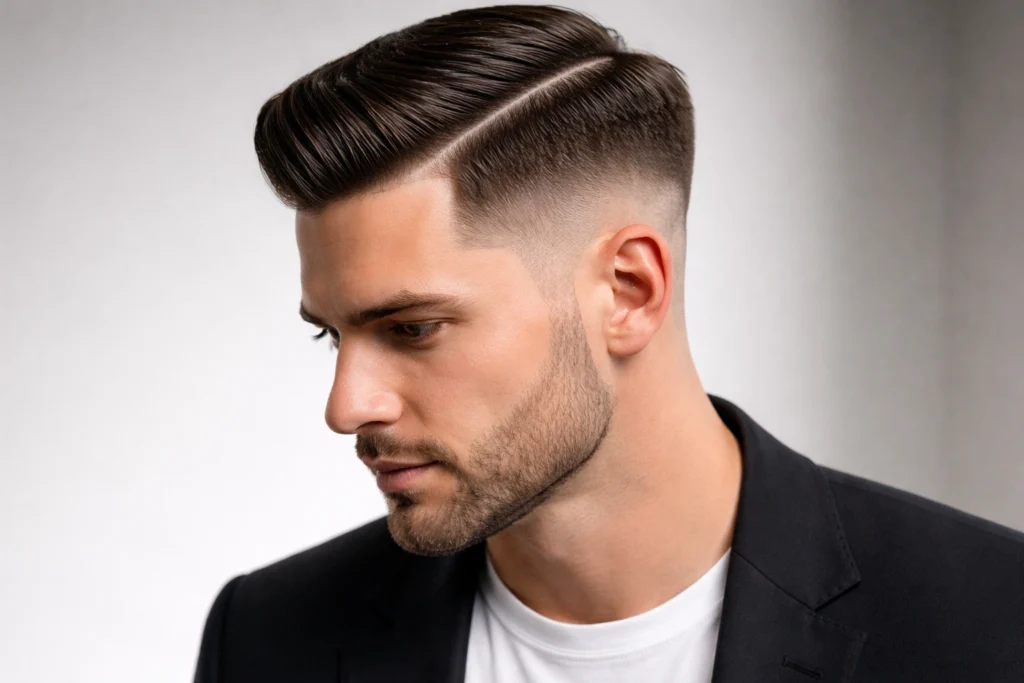
The side part is one of the most enduring silhouettes in men’s hairstyling, and the mid taper fade gives it a modern update that removes any risk of it looking dated. The top is kept at a length that allows a clean parting, typically two to four inches, and the hair is swept to one side with varying degrees of smoothness depending on the look you prefer.
A looser, more textured interpretation of the side part suits casual settings and can be achieved with a lightweight cream or sea salt spray. A tighter, more refined version calls for a strong pomade and a comb, producing a surface that is smooth and sleek from the scalp. Both interpretations read as intentional and well-groomed, which is the hallmark of a good barbered cut.
This style suits most face shapes, with oval, square, and heart shapes benefiting most. It is also one of the most transferable cuts across age groups and professional settings, making it a consistently safe and stylish choice.
Mid Taper Fade Blowout
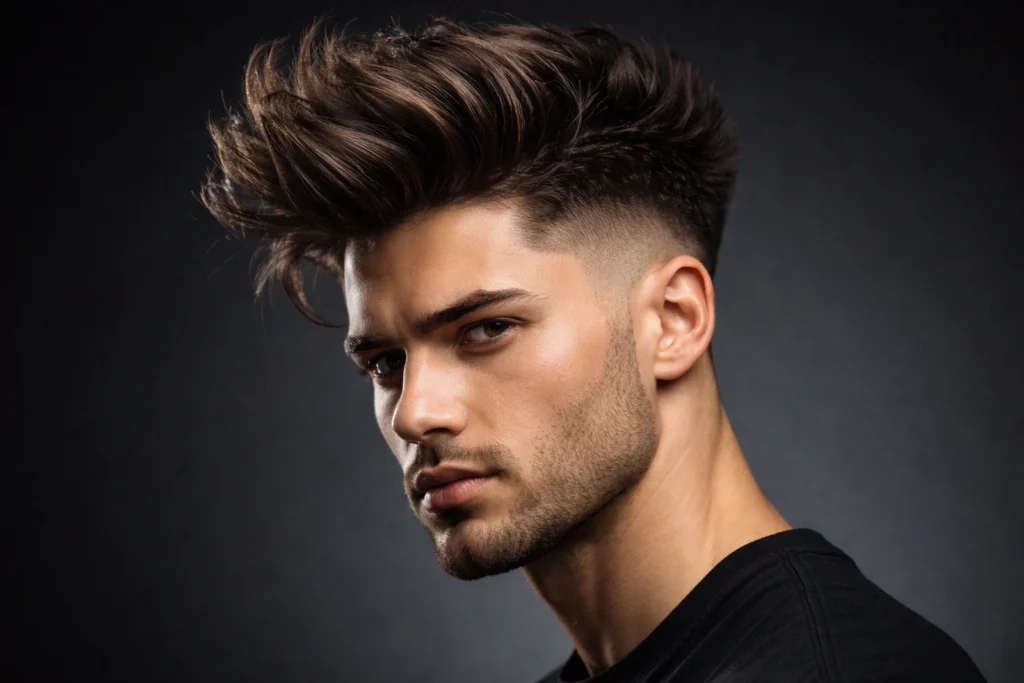
The blowout style places volume and movement at the center of the look. The hair on top is blown out upward and outward using a hairdryer, creating a thick, lifted texture that bursts dramatically above the clean tapered sides. The contrast between the voluminous top and the structured fade is what makes this combination so visually compelling.
Getting the blowout right requires technique. Start with a sea salt spray or a volumizing mousse on damp hair. Use a hairdryer on a medium heat setting and work your fingers through the hair while directing the airflow upward. The goal is to lift the hair away from the scalp and create movement rather than smoothness. Once dry, a light-hold cream can be used to define individual sections if more texture is desired.
This is a bold, statement-making style best suited to men with naturally thicker hair. Round, oval, and square face shapes all wear the blowout well because the added height created by the volume balances and elongates facial proportions.
Mid Taper Fade with Buzz Cut
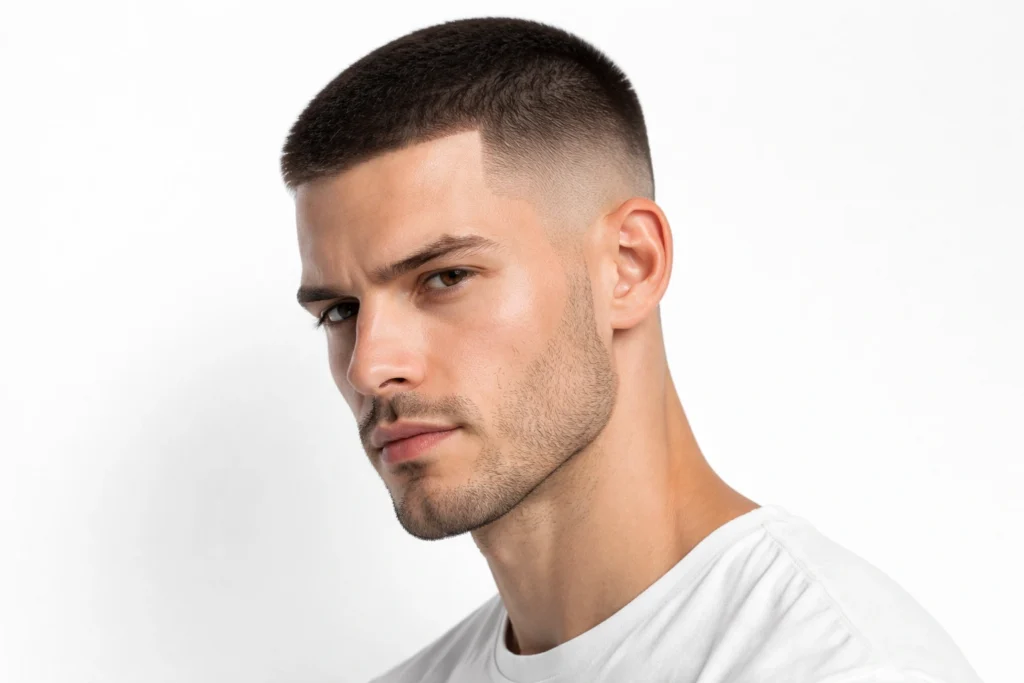
The buzz cut combined with a mid taper fade brings together two of the most functional elements in men’s grooming and produces a result that is sharp, clean, and entirely effortless to maintain. The top is clipped to a uniform short length, usually between a number two and a number four guard, while the mid taper on the sides adds the depth and modern structure that transforms a basic buzz into something more refined.
Without the taper, a buzz cut can look flat and one-dimensional. The fade introduces contrast by gradually shortening the sides and back, which adds the visual depth that makes the whole cut feel considered rather than simply convenient. This version of the mid taper fade is ideal for men who prefer minimal grooming time but still want to look sharp.
It suits strong, angular face shapes best, including square and rectangular, because the short uniform length emphasizes bone structure and defined jawlines. Very little product is needed; a small amount of matte powder or light wax can control shine if desired.
Mid Taper Fade with Edgar Cut
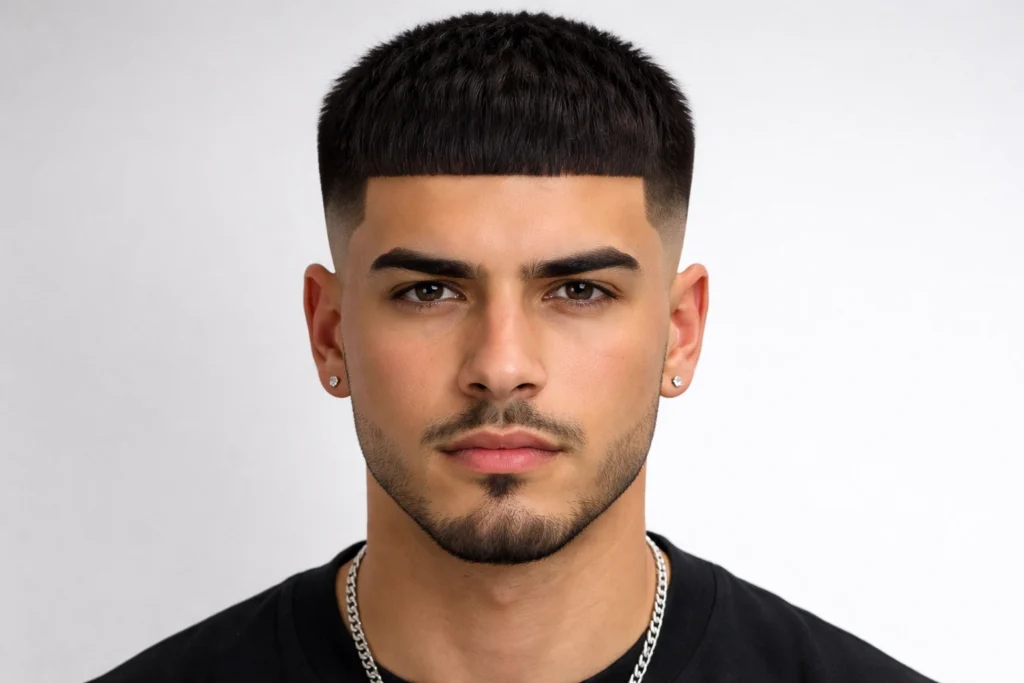
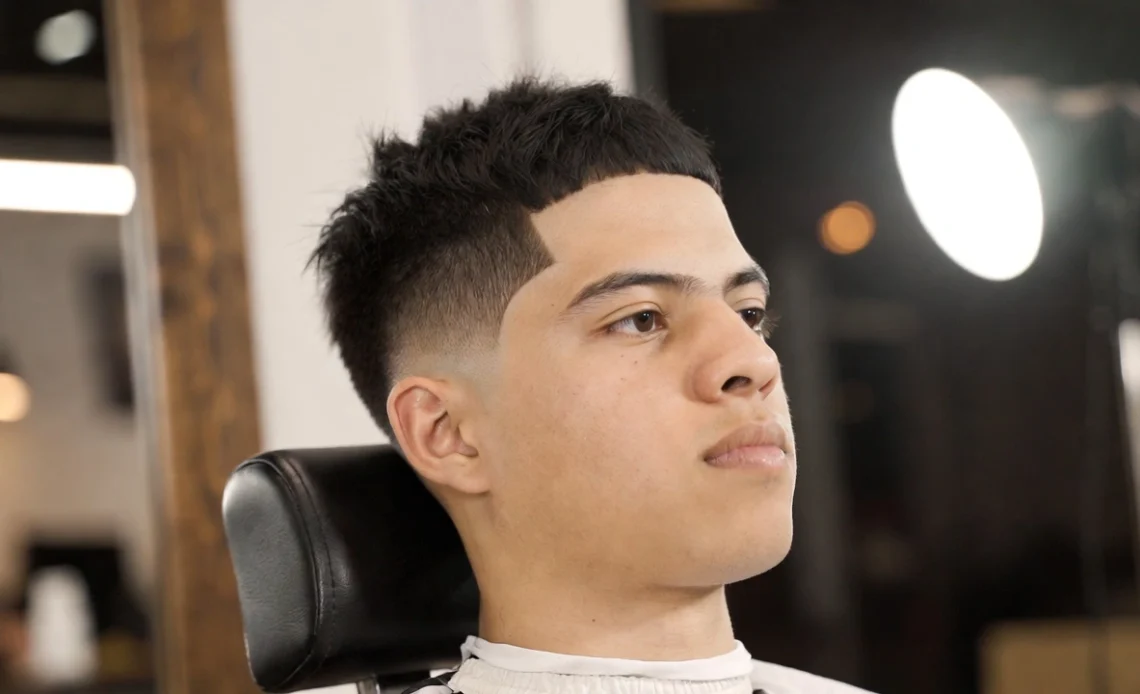
The Edgar cut sits at the intersection of street culture and contemporary barbering. It features a blunt, horizontal fringe across the forehead, a flat or slightly textured top, and clean tapered sides. The mid taper fade grounds the look with smooth blended sides that allow the geometry of the top section to take full visual priority.
This style works most effectively on straight or thick hair because the blunt fringe depends on hair that holds a clean horizontal line at the forehead. Wavy or curly hair requires more effort to achieve the signature blunt edge but can be straightened or blow-dried smooth to accomplish the look.
Matte clay is the styling product of choice for the Edgar, as it provides the control needed to keep the fringe in place without adding unwanted shine. A sharp lineup around the hairline and temples completes the look and gives it the precision and structure that defines the style.
Mid Taper Fade Slick Back
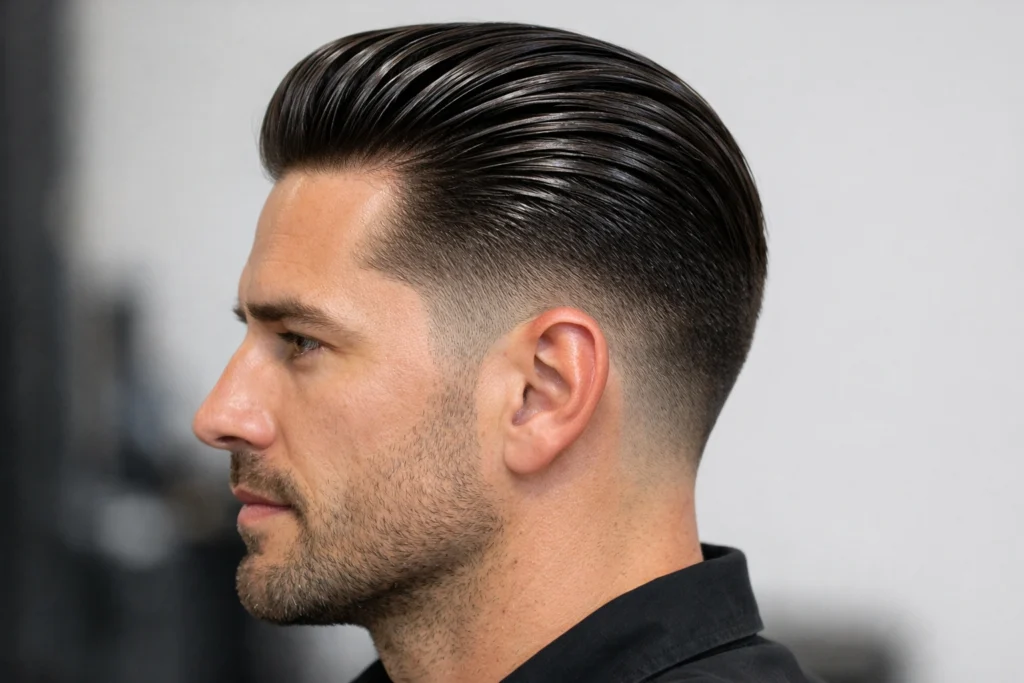
The slick back is a style rooted in confidence. The hair is swept straight back from the forehead, sitting close to the scalp with a smooth, controlled surface, while the mid taper fade on the sides creates a clean frame that keeps the entire silhouette looking deliberate and structured.
This look requires a strong-hold pomade or gel applied to damp or lightly towel-dried hair. Use a fine-tooth comb to push the hair straight back from the hairline, working from the front to the crown. The finish should be sleek and uniform, with no stray sections breaking the smooth surface.
The slick back suits men with medium to long hair on top and works best on straight or very slightly wavy hair that stays flat under product. It is an excellent choice for formal occasions and professional environments where a highly polished appearance is expected. Oval and long face shapes carry this style particularly well.
Mid Taper Fade with Waves
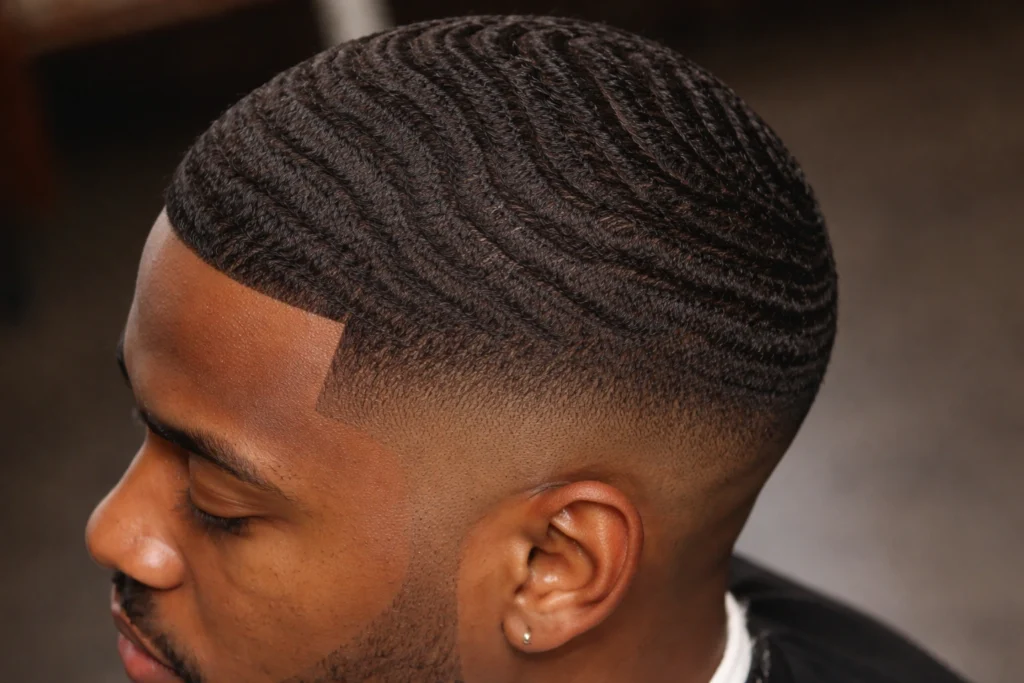
360 waves and mid taper fades are a natural pairing, particularly popular among Black men who invest time in developing a defined wave pattern. The waves provide deep, rippling texture across the top of the head, and the mid taper fade frames that texture with clean, structured sides that draw attention inward and upward.
Achieving and maintaining waves requires consistent brushing with a wave brush, regular use of a du-rag or wave cap during sleep, and moisturizing products that keep the hair healthy and defined without drying it out. The mid taper fade complements the waves by creating a defined boundary between the styled top and the faded sides, giving the entire look a precise and intentional finish.
This style suits round, oval, and square face shapes and communicates a high level of grooming investment. The sharper and more defined the wave pattern, the more striking the cut appears.
Mid Taper Fade with Long Hair on Top
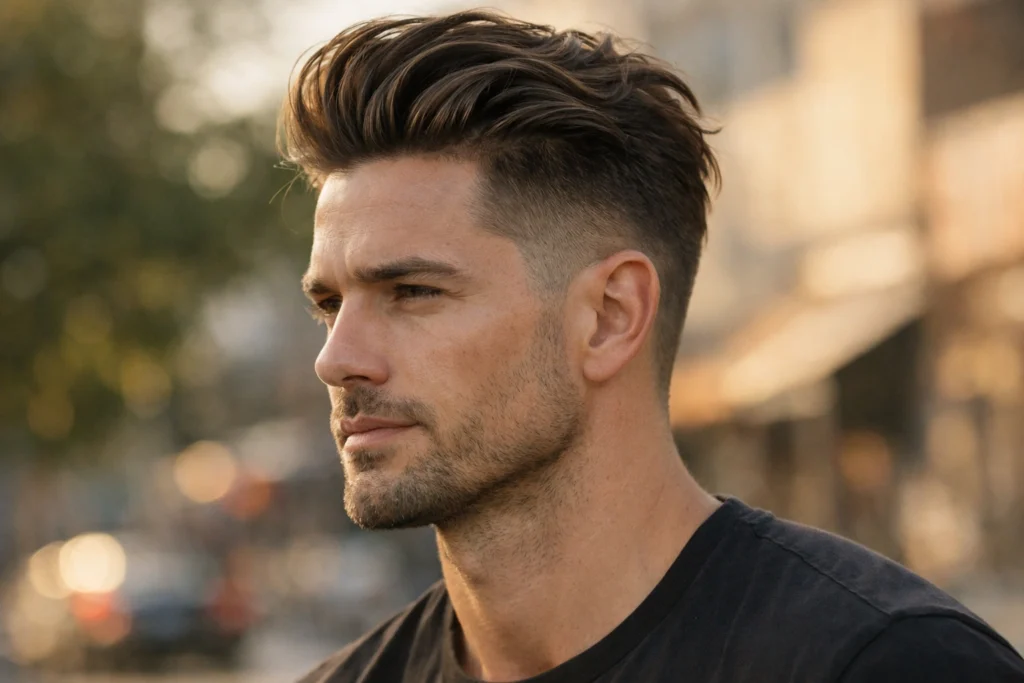
The mid taper fade is not exclusively a short hairstyle. Men with longer hair on top can integrate a mid taper fade to add structure and remove bulk from the sides while maintaining the length and movement of the top section. This creates a distinct contrast between the flowing top and the clean, tapered sides.
Long hair on top styled with a mid fade can be worn loose and natural, pulled back into a man bun or half-up style, or blow-dried for volume and shape. The versatility this combination provides is significant because the same cut can produce dramatically different looks depending on how the top is styled on any given day.
This works particularly well for men with wavy or naturally textured hair because the movement of the top section adds visual interest and softness that the clean fade contrasts. It suits oval and long face shapes most naturally, though a skilled barber can adapt the proportions for other face shapes as well.
Mid Taper Fade with Design
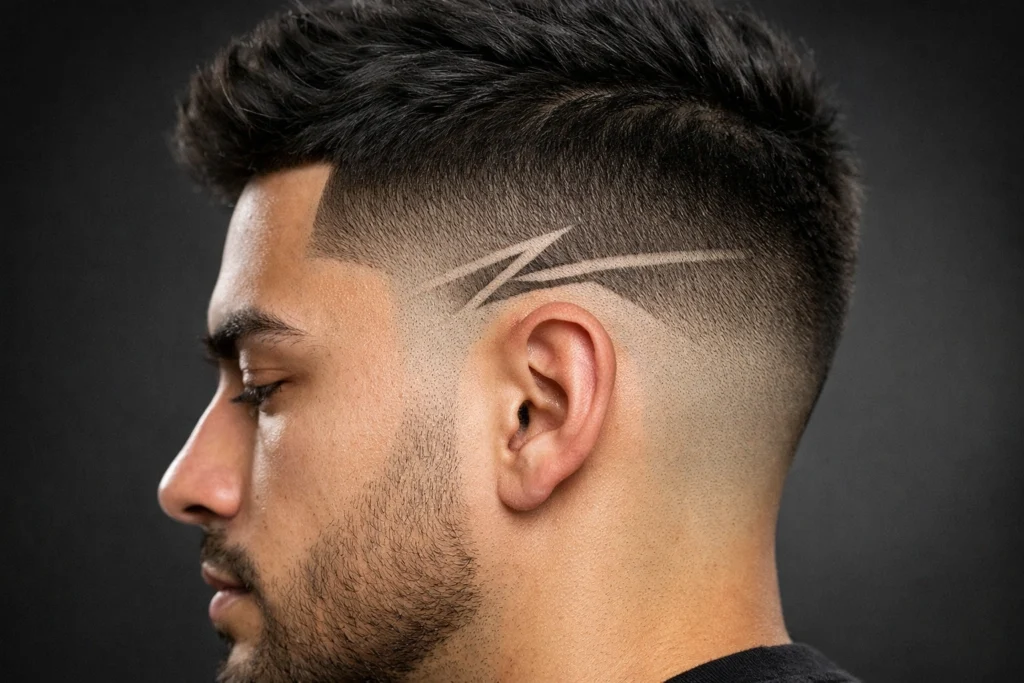
For men who want their haircut to make a more personal and creative statement, incorporating a design into a mid taper fade elevates the style from clean to genuinely distinctive. Designs are etched into the faded area of the hair using clipper or razor work, and can range from simple geometric lines to more complex patterns or motifs.
The design sits in the space created by the fade, typically along the temple or the area just above the ear, where the contrast between the faded hair and the design line is most visible. Common design choices include clean parallel lines, curved geometric shapes, zigzag patterns, or personal symbols. More elaborate designs require a barber with strong artistic skills and a steady hand.
This style suits men who want to express individuality through their grooming and who are comfortable maintaining a sharper, more defined look. The design typically needs to be refreshed every one to two weeks alongside the overall fade to maintain its clarity.
Mid Taper Fade with French Crop
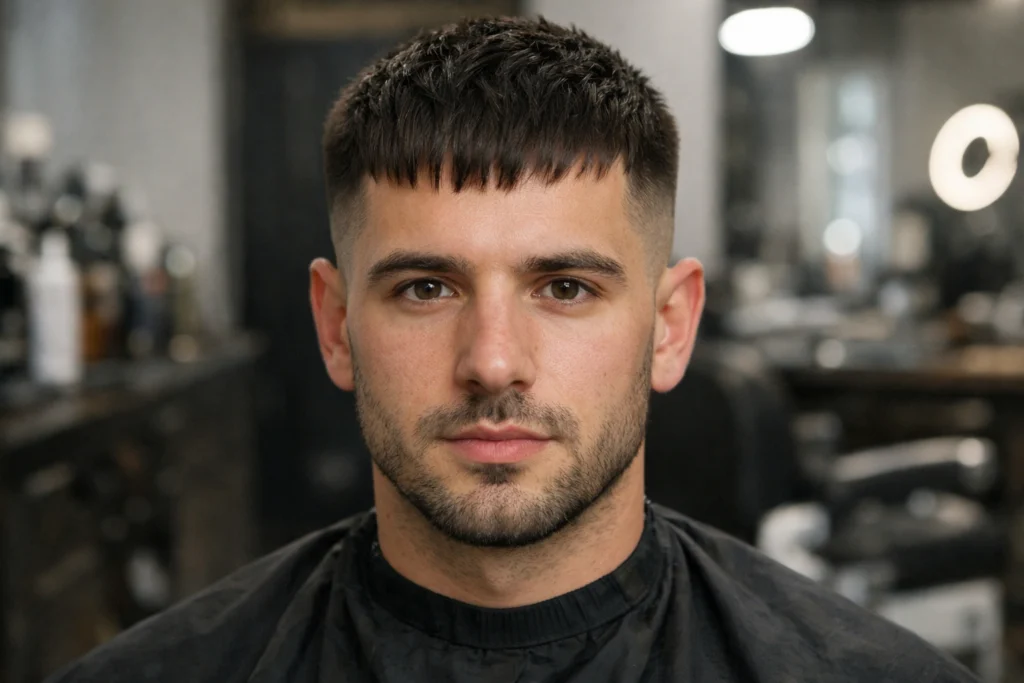
The French crop is a European-influenced haircut that has established itself firmly in the mainstream of modern men’s grooming. It features a short, textured top with a forward-sitting fringe, and when paired with a mid taper fade, it creates a clean, contemporary look that is as practical as it is stylish.
The crop fringe sits just above the eyebrows and is typically textured rather than blunt, giving it a softer, more modern quality than the sharp edge of the Edgar cut. The mid fade on the sides keeps the overall profile tight and structured. The result is a cut that works confidently in both casual and smart-casual settings without requiring much styling effort each morning.
Matte texture clay or a light paste applied to dry or slightly damp hair is enough to achieve the right finish. This style suits most face shapes and most hair textures, making it one of the most universally wearable options in this entire list. Men who are trying the mid taper fade for the first time often find the French crop to be an ideal entry point because it requires minimal commitment while delivering a polished and modern result.
Conclusion
The mid taper fade has earned its place as one of the defining haircuts of modern men’s grooming because it genuinely works. It is adaptable enough to complement virtually any hair type, face shape, or lifestyle, and it scales from understated professionalism to bold individual expression depending on how it is worn. The fifteen styles covered in this guide represent the full range of what this cut can do, from the refined simplicity of the classic version to the creative individuality of design fades and the cultural richness of wave styles.
Choosing the right variation comes down to understanding your hair type, your face shape, the styling effort you are willing to commit to, and the impression you want your overall appearance to make. Take that understanding to a skilled barber, bring reference images if helpful, and invest in the quality of cut that will make the most of your chosen style. A well-executed mid taper fade does not just improve how you look. It improves how you carry yourself.
You may also like this post: 20 Eye-Catching Pink Hair Ideas for Men
Frequently Asked Questions
What is the difference between a mid taper fade and a high or low fade?
A: The mid taper fade begins tapering around the temple or mid-ear level, sitting between the two extremes. A high fade starts much closer to the top of the head and creates more dramatic contrast, while a low fade begins near the neckline and produces a subtler transition. The mid version is widely considered the most versatile of the three because it offers noticeable contrast without being overly aggressive.
How often should I get a mid taper fade touched up?
A: Most barbers recommend returning every two to three weeks to keep the fade looking sharp. The neckline tends to show growth first and can look untidy within ten to fourteen days, so some men visit more frequently just for a neckline cleanup between full cuts. The frequency ultimately depends on how fast your hair grows and how precise you want the fade to appear at all times.
Does the mid taper fade work on all hair types?
A: Yes, it works across all major hair types including straight, wavy, curly, coily, and afro-textured hair. The fade technique itself is independent of the hair texture on top, and skilled barbers adapt their clipper work to suit the density and texture of each individual client’s hair.
What should I tell my barber to get the right mid taper fade?
A: Be specific about where you want the fade to begin, how tight you want it to go at the lowest point, and what you want done with the top. Bringing a reference image is always helpful. Describing the look as a mid taper starting at the temples, blending down to a one or two guard near the neckline, gives a barber enough technical information to work with confidently.
Which face shapes suit the mid taper fade best?
A: The mid taper fade works on most face shapes, but it is particularly flattering for oval, square, round, and diamond face shapes. The structured sides created by the fade add definition and sharpness, which tends to complement faces that benefit from added angular contrast. Your barber can advise on proportions that suit your specific face shape and which top style to pair with the fade for the most balanced result.
1 Comment