Introduction
Among all the face shapes a man can be born with, the oval face is widely regarded as the most versatile canvas for grooming. Its naturally balanced proportions, with a face length approximately one and a half times its width, gently curved jawline, slightly wider cheekbones, and softly tapered chin, give it a structural harmony that most other face shapes work hard to achieve through strategic grooming alone. For men with oval faces, the question is never whether a beard will work. The question is which beard will work best.
That said, versatility does not mean every beard style is equally flattering. Some choices enhance the jawline, add definition to the chin, and reinforce the natural symmetry of the face. Others overwhelm it, hiding the balanced proportions that make the oval face so attractive in the first place. Understanding the difference between a beard that elevates your appearance and one that simply sits on your face is the difference between good grooming and great grooming.
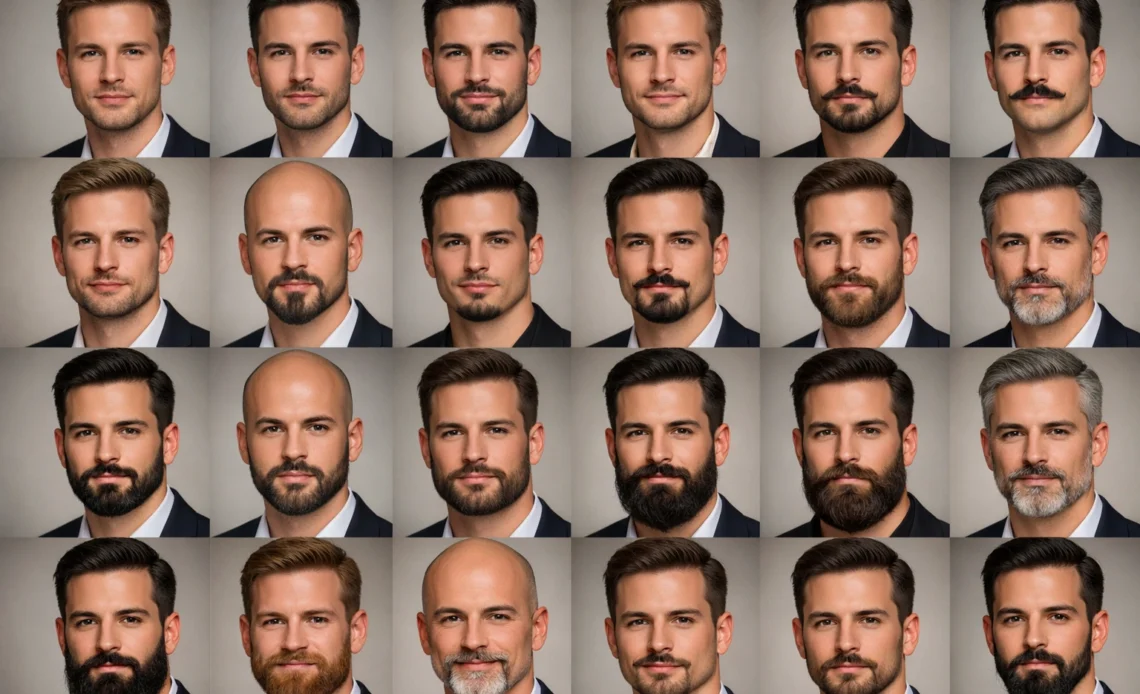
This guide presents 20 of the best beard styles for oval faces, covering the full spectrum from precision-trimmed stubble through to bold, full-coverage styles. Each entry explains why the style works on an oval face, how to wear it most effectively, and what grooming habits will keep it looking sharp. Whether you are stepping into a boardroom, a formal event, or a casual weekend, there is a beard style in this list that will enhance your jawline and project exactly the image you intend to carry.
The Short Boxed Beard
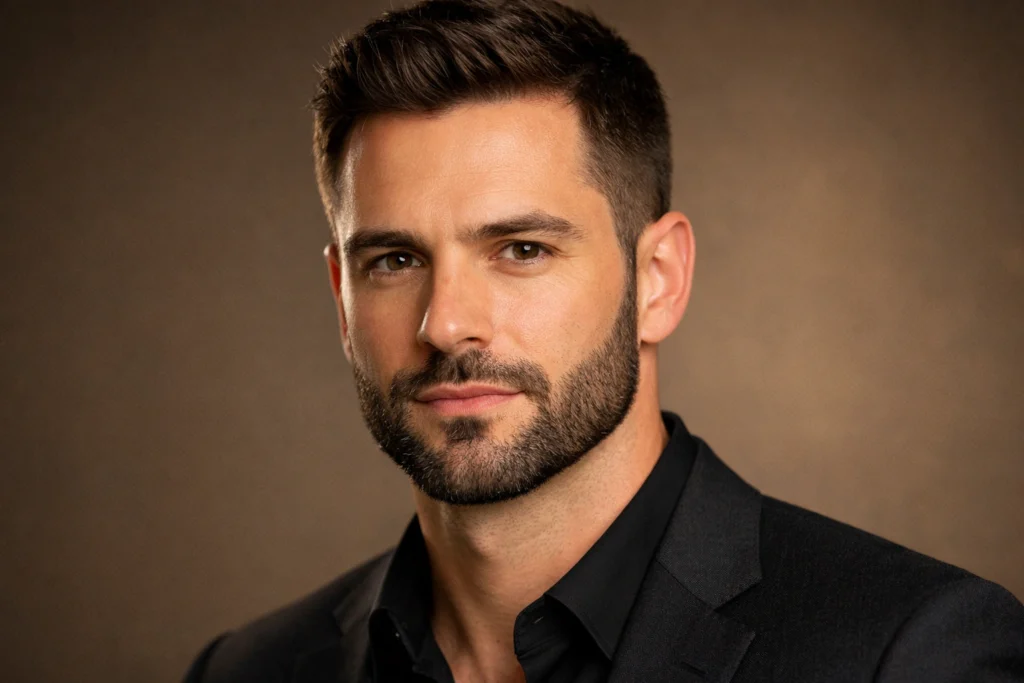
The short boxed beard is one of the most consistently recommended beard styles for oval faces, and for good reason. It follows the natural line of the jaw closely, adding structure and definition without overwhelming the face’s inherent proportions. The cheek lines are kept high and clean, the edges along the jaw are sharp and precise, and the length sits at a controlled six to eight millimeters throughout, providing fullness without bulk.
What makes this style particularly effective on an oval face is its ability to frame the lower half of the face with clarity. The defined edges introduce a sense of geometry that reinforces the jaw’s natural curve without exaggerating it. The result is a polished, professional appearance that works equally well in formal and smart casual settings. Men who want a beard that signals authority and grooming awareness without demanding daily attention will find the short boxed beard to be a reliable and deeply satisfying choice.
Grooming the Short Boxed Beard
Trim the beard to an even length every five to seven days using a quality electric trimmer with a fixed guard. Define the cheek lines using a precision trimmer or straight razor, following a natural curve from sideburn to mustache. Keep the neckline clean and straight, positioned approximately one finger’s width above the Adam’s apple.
The Classic Full Beard
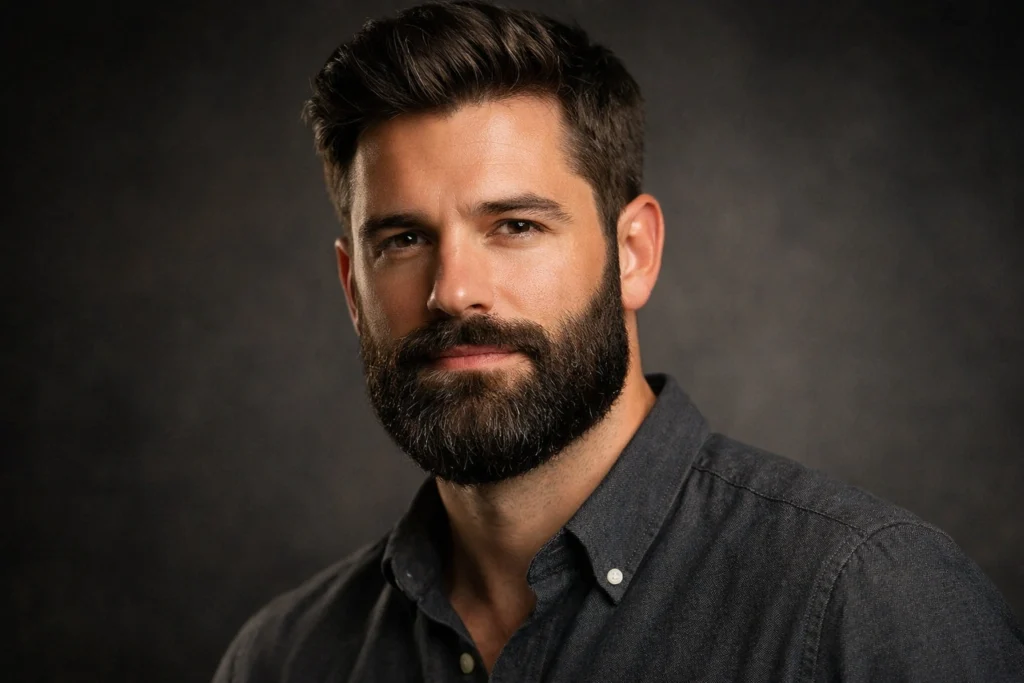
The full beard is a timeless choice that performs exceptionally well on oval faces. Because the oval face already possesses balanced proportions, it can support a full beard without the risk of appearing disproportionate or overwhelmed, a concern that limits the full beard’s suitability on rounder or shorter face shapes. On an oval face, the full beard adds maturity, masculine presence, and a natural frame that enhances the face’s existing symmetry.
The key to wearing a full beard successfully on an oval face is maintenance. An untrimmed or shapeless full beard will obscure the very features it is meant to enhance. Keep the length at approximately twelve to fifteen millimeters, trim the cheek lines to follow their natural curve, and shape the neckline cleanly. The full beard should look intentional and shaped, never simply grown out without direction. A quality beard oil applied daily keeps the hair soft, conditioned, and manageable, which is essential for maintaining the structured appearance this style requires.
Length Control for the Full Beard
Avoid allowing the chin area to grow significantly longer than the sides, as this can introduce unintended elongation to the face. On an oval face, the goal is to maintain proportion rather than alter it. A beard that is even in length around its perimeter reads as balanced and considered.
The Classic Goatee

The goatee is one of the most focused and structurally effective beard styles for oval faces. By concentrating facial hair exclusively around the mouth, chin, and upper lip area, the goatee draws the eye to the center of the lower face and creates a strong vertical emphasis that enhances the chin’s definition. On an oval face, this concentration of attention works beautifully, highlighting the natural symmetry of the features without adding mass to the cheeks or sides.
The classic goatee consists of a mustache connected to a chin beard, with the cheeks kept clean-shaven. It suits men whose cheek hair is patchy or sparse, as it removes the need for full cheek coverage while still delivering a strong and intentional grooming statement. Daily maintenance is required to keep the edges sharp and the line between clean-shaven cheeks and the goatee itself crisp and defined. A precision trimmer or straight razor used along the borders every one to two days prevents stray hairs from undermining the clean geometry of the style.
Goatee Width Considerations
For the oval face, a goatee of moderate width, extending no wider than the corners of the mouth, maintains the best proportional balance. A very narrow goatee can appear too sparse and delicate, while one that extends too broadly begins to lose the definition that makes this style effective.
The Van Dyke Beard
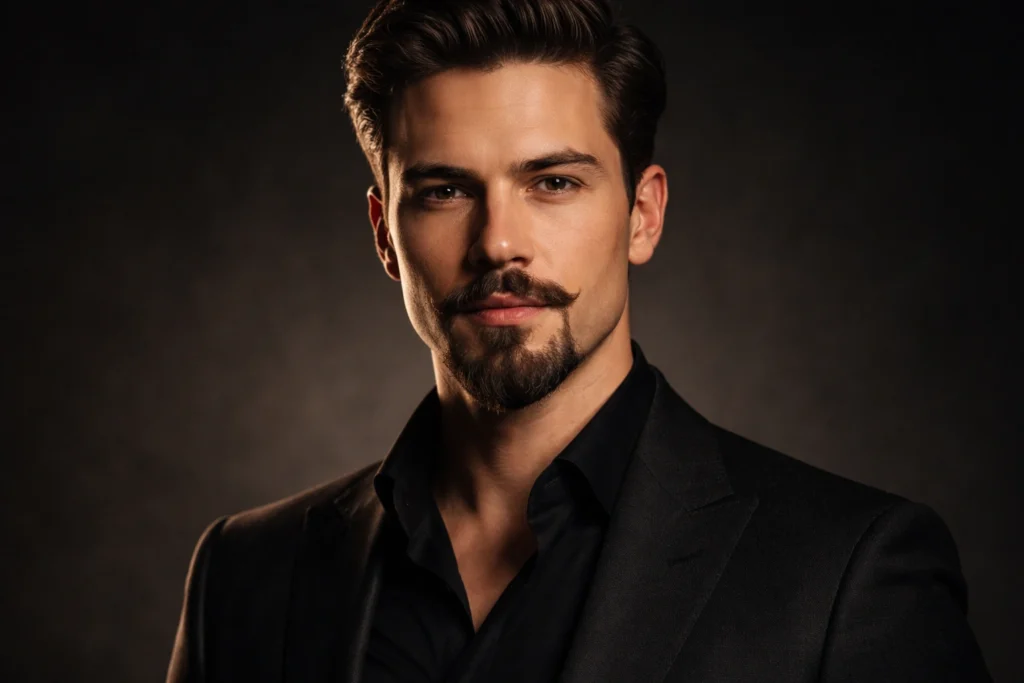
The Van Dyke beard is among the most elegant and expressive of all beard styles for oval faces. It features a pointed goatee on the chin combined with a detached mustache, with the cheeks kept completely clean-shaven. The disconnection between the mustache and the chin beard is the defining characteristic of this style, and it introduces a level of visual sophistication that few other beard styles can match.
On an oval face, the Van Dyke is particularly effective because its pointed chin component creates a strong focal point that draws attention downward and emphasizes the chin’s natural shape. This sharpening of the chin area adds definition to the jawline without requiring full beard coverage. The style has a long artistic and cultural history, and it continues to read as a mark of individual style and confidence in contemporary grooming. Sharp, clean edges are non-negotiable for this style; any softness in the borders immediately undermines the refined effect the Van Dyke is built upon.
Maintaining the Van Dyke’s Disconnect
The separation between the mustache and the chin beard must be kept precise and clean. Use a straight razor or a fine precision trimmer along the upper border of the chin beard and the lower border of the mustache to maintain the gap that defines this style. Any bridging of the gap transforms the Van Dyke into a goatee, which is a fundamentally different look.
The Heavy Stubble Beard
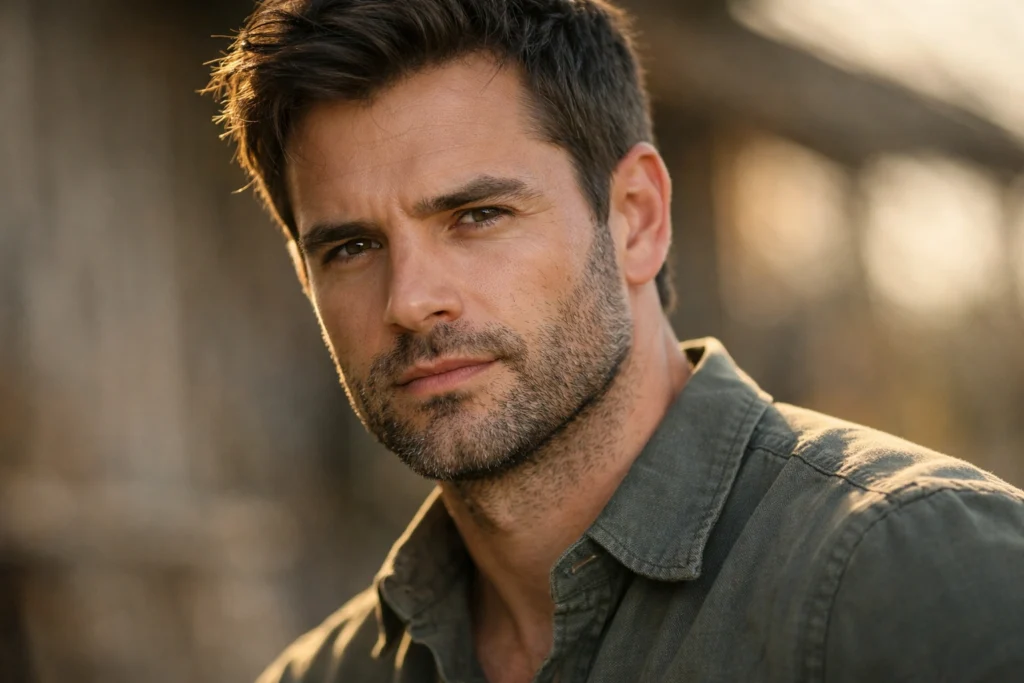
Heavy stubble sits at approximately three to five millimeters in length and represents one of the most effortlessly flattering beard styles for oval faces. It adds texture and masculine definition to the jawline without requiring the commitment of a full beard or the precision of a more structured style. The rugged quality of heavy stubble contrasts attractively with the smooth, balanced proportions of an oval face, adding edge and character to what might otherwise read as soft or understated features.
This is a style that communicates confidence without effort, which is part of its considerable appeal. It suits virtually every lifestyle and setting, from casual weekend wear to professional environments that tolerate a degree of informal grooming. The maintenance requirement is modest: trimming every three to four days to keep the length consistent and prevent the stubble from growing into an untidy, patchy beard. A beard oil or light balm applied after trimming keeps the skin beneath the stubble hydrated and reduces the risk of dryness or irritation.
Stubble Versus Light Stubble
Heavy stubble at three to five millimeters provides more definition and coverage than the lighter one to two millimeter stubble look. For an oval face seeking maximum jawline enhancement from a minimal-maintenance style, heavy stubble consistently outperforms its lighter counterpart in delivering a structured, masculine result.
The Anchor Beard
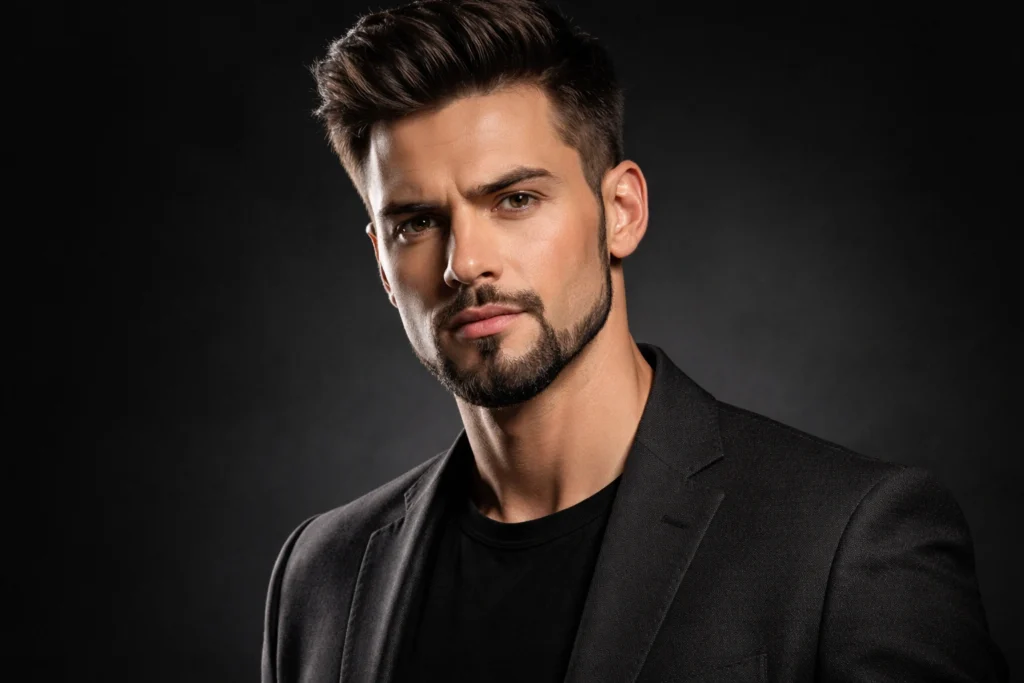
The anchor beard earns its name from the distinctive anchor shape it creates when viewed straight on. It combines a pointed chin beard with a sharp jawline outline and a separate mustache, creating a geometric arrangement that is both bold and highly precise. Named for its resemblance to a ship’s anchor, this style adds considerable edge and personality to the face while maintaining clean, defined borders that keep the overall look sharp and intentional.
For oval-faced men, the anchor beard is an excellent choice because it introduces strong angular lines to a face that is naturally soft-edged and symmetrical. The pointed chin component reinforces the jawline’s natural taper, while the mustache adds weight and frame to the upper portion of the lower face. This is not a low-maintenance style. It requires daily attention to the edges and regular reshaping to maintain the precise geometry that makes it visually striking. Men who are willing to invest in daily grooming will be rewarded with one of the most distinctive and flattering beard styles available to the oval face.
Defining the Anchor’s Lines
The lower edge of the anchor beard, which runs along the jawline from the chin to the lower sideburns, must be kept razor-sharp. Use a straight razor or precision trimmer following the natural line of the jaw. The chin point should be defined and symmetrical, as any asymmetry in this area is immediately visible and undermines the entire composition of the style.
The Balbo Beard
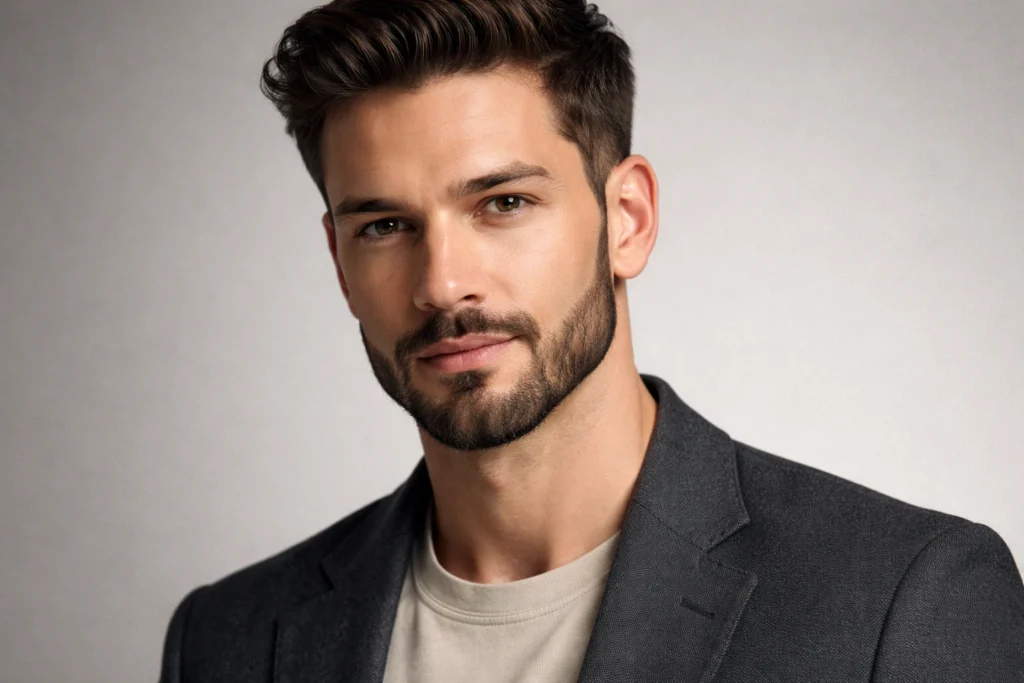
The Balbo beard is a contemporary and stylish choice that combines a disconnected mustache with a trimmed chin beard, similar in concept to the Van Dyke but with a broader chin component that extends slightly beyond the goatee’s typical width. Named after Italian Air Marshal Italo Balbo, this style has experienced a significant revival in modern men’s grooming and is frequently cited as one of the best beard styles for oval faces due to its ability to create definition below the chin while emphasizing jaw structure.
The Balbo’s broader chin coverage compared to the Van Dyke gives the face a fuller lower section, which is particularly beneficial for men with narrower chins who want to add a degree of visual weight below the jaw. The disconnected mustache adds personality and prevents the style from reading as a standard goatee, giving it a distinctive character that sets it apart. Keep the cheeks clean-shaven and the borders of both the mustache and chin beard precisely defined to maintain the separation that characterizes this style.
The Balbo for Professional Settings
The Balbo beard occupies a useful middle ground between the more formal short boxed beard and the expressive Van Dyke. It is appropriate for most professional environments while still communicating personal style and grooming awareness, making it one of the most versatile entries on this list.
The Corporate Beard

The corporate beard is exactly what its name suggests: a full beard trimmed and maintained to a length and neatness that is appropriate for the most demanding professional environments. It typically sits at eight to ten millimeters in length, with carefully defined cheek lines, a precise neckline, and consistent trimming that prevents any appearance of untidiness or excess growth. On an oval face, the corporate beard provides structure, maturity, and a polished masculine presence that reinforces professional authority.
What distinguishes the corporate beard from a simple short full beard is the level of care and precision applied to its maintenance. The cheek lines follow a natural but defined curve, the neckline is clean and well-placed, and the overall shape of the beard tapers subtly from the cheeks toward the fuller chin area, creating a slight gradient that adds sophistication and dimension. A subtle fade from cheeks to fuller chin creates the kind of dimension that separates a corporate beard that has been properly crafted from one that has simply been trimmed evenly.
Corporate Beard Maintenance Schedule
Trim the corporate beard every four to five days to maintain its controlled length and shape. Apply beard oil every morning after washing the face to keep the hair soft and manageable. Use a fine-tooth beard comb to align the hair before any trimming session to ensure an even result.
The Ducktail Beard
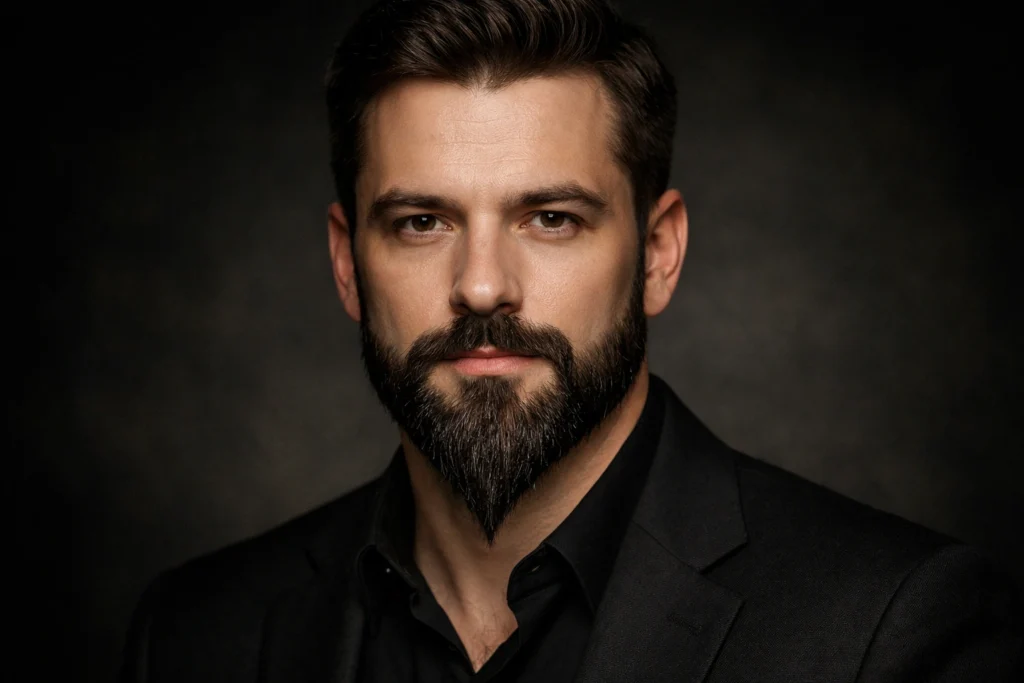
The ducktail beard takes the full beard concept and introduces a tapered, pointed finish at the chin that resembles the tail of a duck in profile, giving the style its memorable name. The sides are kept shorter and the hair is trained and shaped to converge toward a central point at the chin, creating a dramatic and sophisticated silhouette that adds considerable jawline emphasis and chin definition.
For oval-faced men, the ducktail is a bold and effective choice. The convergence of the beard toward a pointed chin creates a strong vertical focal point that reinforces the face’s natural taper while adding a degree of theatricality and character that distinguishes this style from more conventional full beard variations. It requires patience to grow and regular shaping to maintain the characteristic pointed finish, but the result is one of the most visually striking beard styles available for the oval face. Beard balm applied to the chin area and combed into shape daily helps train the hair to converge naturally toward the point.
Growing Into the Ducktail
The ducktail requires a minimum of six to eight weeks of growth before the shaping process becomes meaningful. During the early growth phase, keep the sides trimmed and allow the chin area to grow freely. Once sufficient length has been achieved, a skilled barber can introduce the characteristic point and establish the shape that daily home maintenance will then preserve.
The Chin Strap Beard
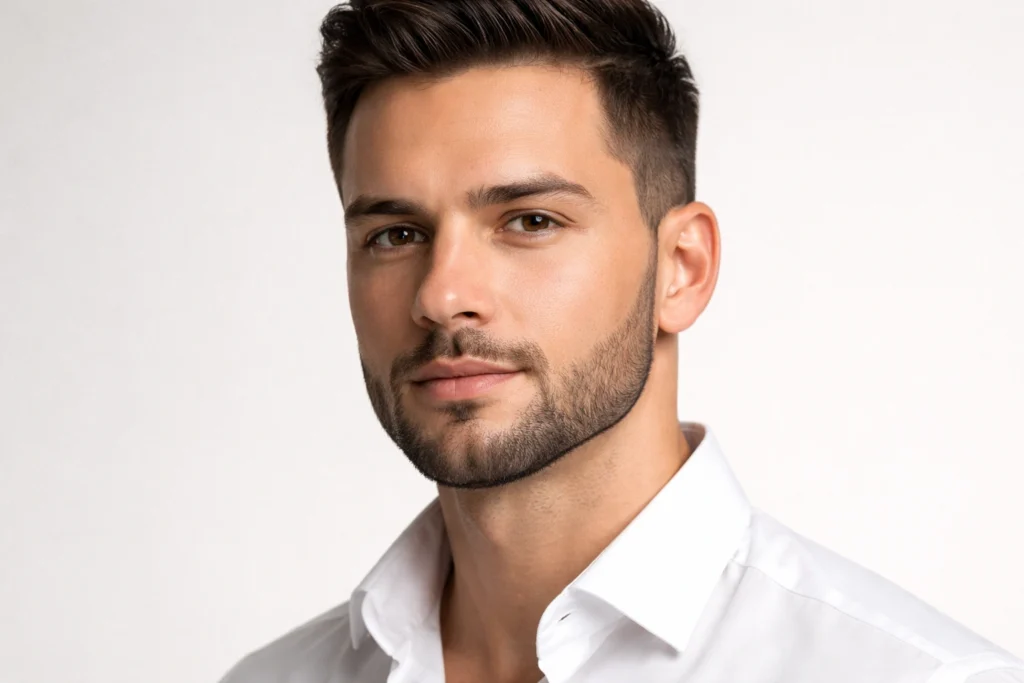
The chin strap beard is a minimalist and highly structural style that runs a narrow strip of facial hair along the jawline from one sideburn to the other, following the natural curve of the jaw, with the cheeks, mustache area, and neck kept clean-shaven. It is a sleek, architectural choice that draws a precise line along the jaw, making it one of the most effective beard styles for emphasizing the jawline directly.
On an oval face, the chin strap works particularly well because it traces the existing shape of the jaw without adding mass or bulk that might alter the face’s natural proportions. It is an honest, architectural style that says exactly what it means: this is my jawline, and it is defined. The chin strap is not a forgiving style. Because it depends entirely on precision, any inconsistency in the line immediately becomes visible. Daily maintenance with a straight razor or precision trimmer is essential. Men who commit to this maintenance will find the chin strap to be one of the cleanest and most jaw-defining beard styles they can wear.
Chin Strap Width
A width of approximately one centimeter along the jawline produces the most elegant result for an oval face. A wider strap begins to lose the clean, linear quality that makes this style effective, while a narrower strip can appear too delicate and difficult to maintain with consistent symmetry.
The Beardstache
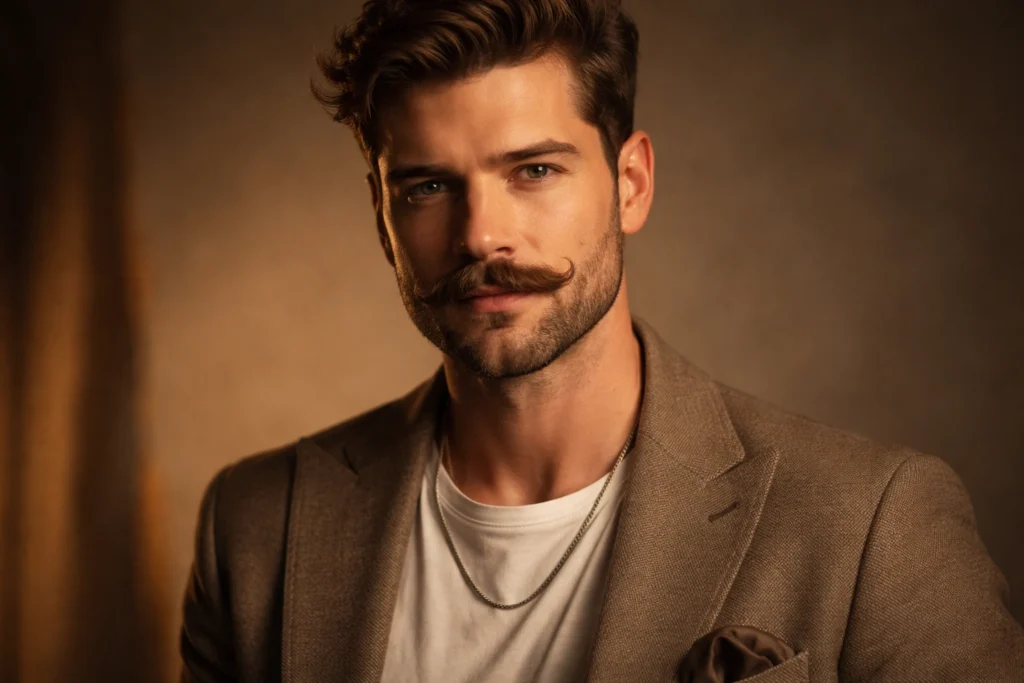
The beardstache is one of the most contemporary and fashion-forward beard styles for oval faces, combining a full, prominent mustache with a shorter stubble or lightly trimmed beard on the rest of the face. The mustache is the dominant feature of this style, worn at a length and fullness that makes it the clear focal point of the face, while the beard below provides texture and support without competing for visual attention.
This combination works exceptionally well on oval faces because the prominent mustache adds strong horizontal definition across the center of the face, while the shorter beard below provides texture and structure along the jaw without adding bulk. The contrast between the full mustache and the shorter surrounding beard creates a layered, dimensional look that is both expressive and genuinely flattering. The beardstache suits men who want a grooming style that communicates personality and an awareness of current trends while still remaining appropriate across a wide range of social and professional settings. Mustache wax or balm is essential for keeping the mustache shaped and controlled, while a trimmer set to a low guard maintains the surrounding beard at the appropriate shorter length.
Mustache Length for the Beardstache
The mustache in a beardstache should be kept long enough to extend slightly beyond the corners of the mouth and thick enough to read as a deliberate style choice rather than simply an untrimmed upper lip. A length of approximately five to eight millimeters on the mustache, combined with two to three millimeters on the surrounding beard, produces the most balanced and intentional result for the oval face.
Conclusion
The oval face is genuinely fortunate in the world of beard grooming. Its natural balance and symmetrical proportions mean that it responds positively to a wider range of beard styles than any other face shape. From the precise geometry of the anchor beard and the aristocratic elegance of the Van Dyke, through to the masculine simplicity of heavy stubble and the bold contemporary statement of the beardstache, every style covered in this guide has been selected specifically for its ability to enhance the jawline and complement the balanced features of the oval face.
The most important principle to take from this guide is that the best beard styles for oval faces are those that work with the face’s existing proportions rather than attempting to alter them dramatically. Maintain clean lines, keep bulk proportional, invest in quality grooming products, and visit your barber regularly to keep your chosen style looking deliberate and sharp. Your oval face gives you the freedom to experiment broadly. Use that freedom with confidence.
You may also like this post: 20 Beard Styles That Add Structure to Weak Jawlines
Frequently Asked Questions
What is the best beard style for an oval face if I want a professional look?
The short boxed beard and the corporate beard are the strongest choices for professional environments. Both styles maintain controlled length, clean edges, and a polished appearance that projects authority and grooming awareness without appearing too bold or expressive for formal settings.
Can men with oval faces wear a full beard without it looking overwhelming?
Yes. The oval face’s balanced proportions allow it to support a full beard without the risk of appearing disproportionate. The key is maintaining the beard at a consistent length and keeping the cheek lines, neckline, and overall shape well-defined so the beard reads as intentional rather than simply grown out.
How do I identify whether I have an oval face shape before choosing a beard style?
Measure the width of your forehead, cheekbones, and jawline, then measure your total face length from hairline to chin. An oval face has a length approximately one and a half times its width, with the cheekbones being the widest point, the forehead slightly wider than the jawline, and the chin gently tapered without sharp angles.
Which beard styles for oval faces require the least maintenance?
Heavy stubble and the short boxed beard are among the lowest maintenance options. Heavy stubble requires trimming every three to four days to maintain consistent length. The short boxed beard needs a trim every five to seven days. Both styles avoid the complex shaping requirements of styles like the anchor beard or Van Dyke.
Should I use beard oil on all of these beard styles for oval faces?
Yes, beard oil is beneficial for virtually all beard styles regardless of length. For shorter styles like stubble and the short boxed beard, a light application of beard oil keeps the skin beneath the hair hydrated and reduces irritation. For longer styles like the full beard and ducktail, daily beard oil application keeps the hair soft, manageable, and free from the dryness and brittleness that can undermine the appearance of longer facial hair.