Introduction
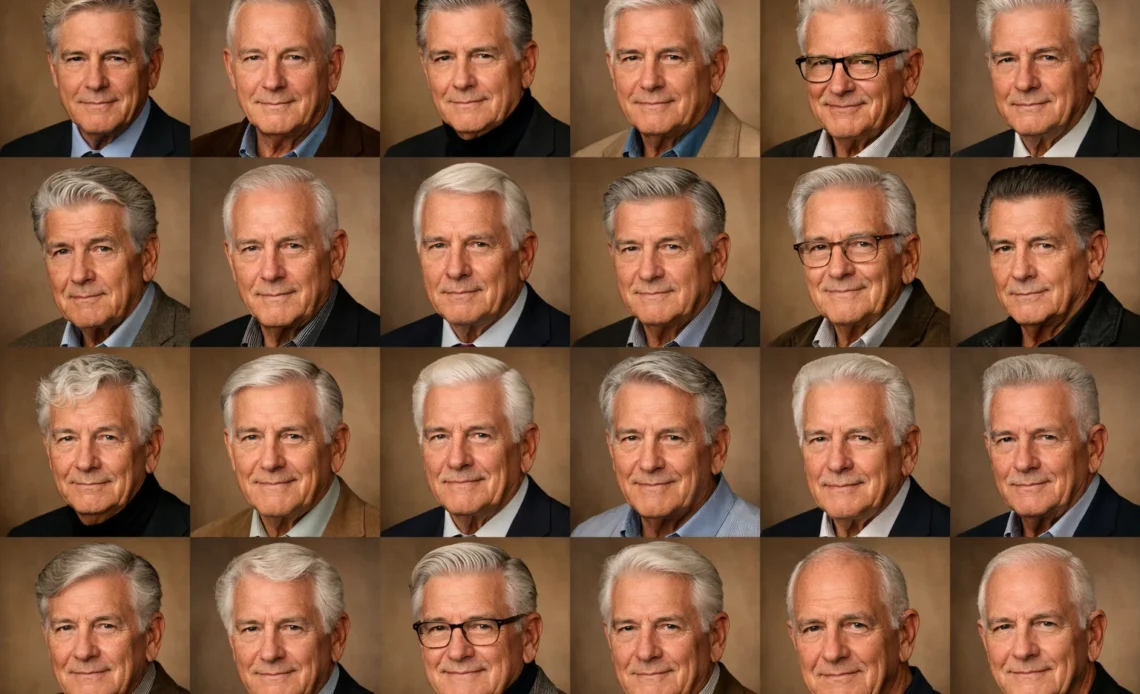
There is a particular kind of confidence that belongs to men in their seventies. It is earned, unhurried, and grounded in a lifetime of experience. A man at this stage of life has long since stopped trying to impress anyone except himself, which is precisely why his grooming choices carry so much weight. The right hairstyle at seventy does not try to subtract years or disguise the passage of time. It celebrates where a man is, works intelligently with the hair he has, and projects the kind of understated authority that only decades of living can produce.
Classic men’s hairstyles have always held a particular appeal for mature men precisely because they are built on principles that never age: clean lines, considered proportions, and a finish that looks intentional rather than accidental. These are not styles borrowed from current trends or designed for men thirty years younger. They are the cuts that have remained relevant across generations because they work with the face, the hair texture, and the lifestyle of the man wearing them rather than against any of those things.
For men over seventy, there are specific grooming considerations that shape which classic styles perform best. Hair texture often becomes finer with age, natural gray or white adds its own visual character, and changes in hair density at the crown or temples require thoughtful approach rather than avoidance. None of these factors limit a man’s options significantly; they simply refine them. This guide presents 20 of the finest classic men’s hairstyles that look exceptional at seventy and beyond, along with the insight needed to choose, wear, and maintain each one with the confidence it deserves.
The Classic Side Part
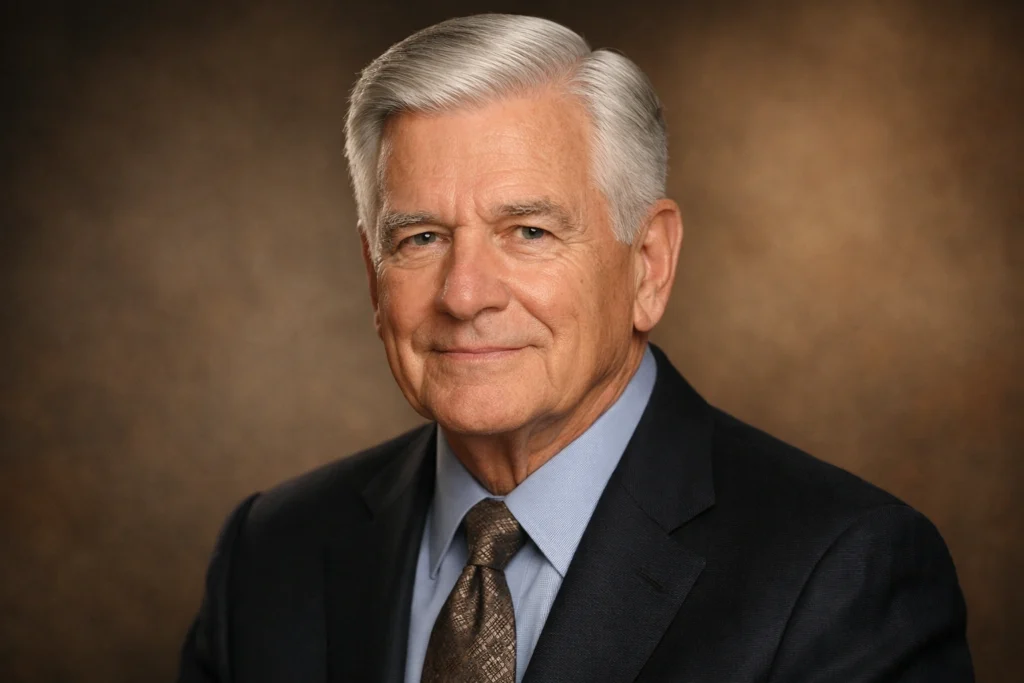
The classic side part is one of the most enduring and distinguished of all classic men’s hairstyles, and it performs with particular elegance on men over seventy whose silver or white hair carries natural luminosity that makes a well-combed side part look genuinely striking. This style features a clearly defined parting on one side of the head, with the hair combed neatly across in the opposite direction, while the sides are kept tapered and controlled to maintain a clean overall silhouette.
For mature men, the side part offers several practical advantages beyond its obvious visual appeal. It suits virtually every face shape, adapts naturally to both straight and slightly wavy hair, and requires only a comb and a small amount of light hold product to achieve a polished result that holds throughout the day. The asymmetry introduced by the parting adds visual interest and facial balance that is particularly flattering on mature faces. Men with slightly thinning hair at the crown can position the part to work with their natural growth pattern, sweeping the hair across in a way that provides coverage without appearing forced or awkward.
Styling the Classic Side Part at 70
Apply a small amount of light hold pomade or styling cream to slightly damp hair and use a fine-tooth comb to define the part and guide the hair into position. Avoid heavy or high-shine products, as these can make finer gray or white hair appear flat and overly slick. A matte or low-sheen finish suits the silver fox aesthetic far more naturally.
The Short Crew Cut
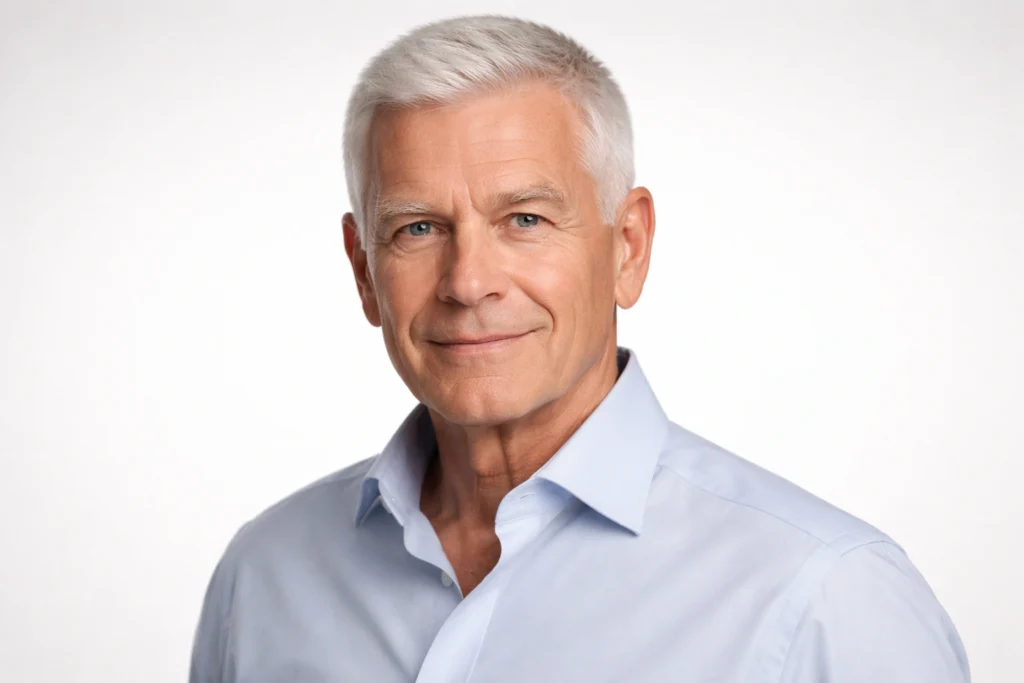
The short crew cut is the definition of timeless. It has been a staple of men’s grooming across every generation since the early twentieth century, and it has earned its longevity by delivering one consistent result: a clean, structured, and unmistakably sharp appearance that suits men of every age. For men over seventy, the crew cut is particularly valuable because its short length and structured shape work effectively with the changes in hair density and texture that typically accompany aging.
At its core, the crew cut features short, uniform length through the top with a natural taper toward the front, while the sides and back are cut close and fade or taper smoothly down to the neckline. This short length requires minimal daily styling, eliminates the challenge of managing thinning patches, and keeps the overall appearance neat and professional with very little effort. Silver and white hair looks particularly striking in a crew cut because the short length allows the natural color to express itself clearly without the heaviness that can make longer gray hair appear dull or lifeless.
Crew Cut Maintenance for Mature Men
A fresh crew cut every three to four weeks keeps this style looking intentional and sharp. Beyond that maintenance schedule, the crew cut requires nothing more than a light brush or comb each morning. Men with receding hairlines will find the crew cut accommodating, as the natural taper at the front works with rather than against a hairline that has moved backward over time.
The Ivy League Cut
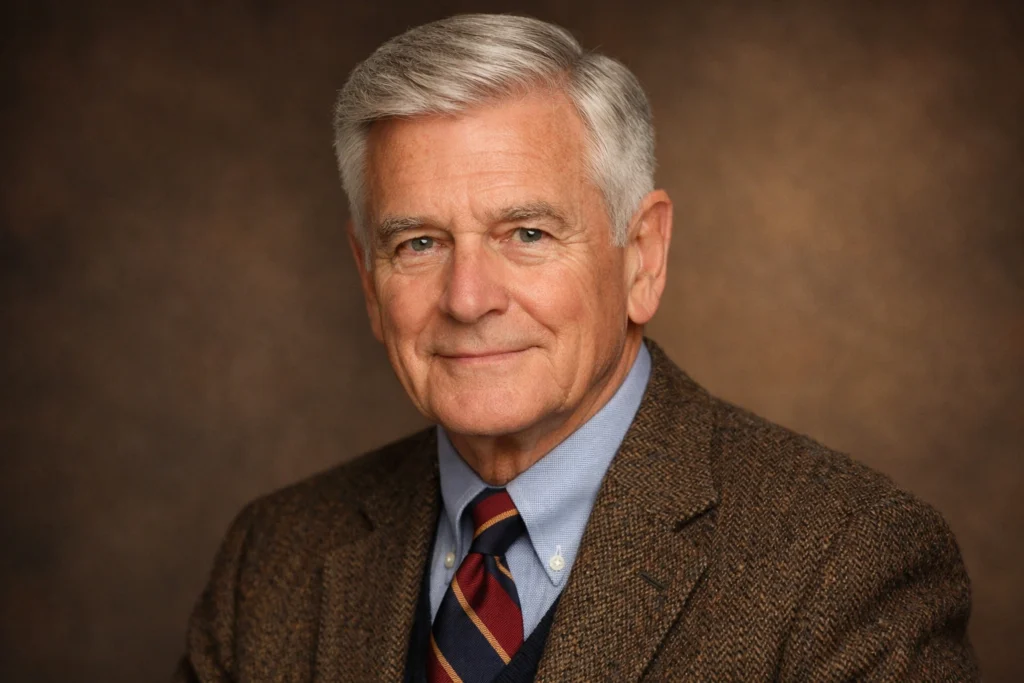
The Ivy League cut occupies a unique and particularly distinguished position among classic men’s hairstyles for men over seventy. It offers more length and styling versatility than a crew cut while retaining the clean, professional structure and understated elegance that define the best age-appropriate hairstyles for mature men. The Ivy League features short, tapered sides and a slightly longer top that allows for a subtle side parting and a small amount of styled movement at the crown.
This extra length on top is the quality that makes the Ivy League so valuable for men in their seventies. It provides enough hair to work with for those who want a touch of definition and style without the daily commitment of more involved haircuts, and it is flattering on silver, white, and salt-and-pepper hair alike. Men who need to address slight thinning at the crown can use the Ivy League’s longer top to introduce a small amount of texture and volume that adds visual density without appearing contrived. A light pomade or styling cream applied through the top and combed neatly to one side completes this style in under two minutes.
The Ivy League in Professional Settings
Of all the classic men’s hairstyles suitable for men over seventy, the Ivy League is the most universally appropriate for formal and professional settings. Its association with academic refinement and measured authority gives it a natural credibility in boardrooms, formal events, and social occasions where appearance carries genuine weight.
The Textured Crop

The textured crop is a genuinely contemporary take on classic short styling that has become one of the most popular choices for mature men who want a low-maintenance haircut with a modern sensibility. It features short sides and back, typically tapered or lightly faded, with a slightly longer top that is cut to introduce natural texture and movement rather than styled into a specific shape. The result is a haircut that looks considered and well-groomed without appearing overly formal or requiring significant daily effort.
For men over seventy, the textured crop offers a particularly useful benefit: the texture and movement through the top creates visual volume that compensates for any reduction in hair density. Hair that has become finer with age tends to lie flat when left at longer lengths, but when cut to a short to medium length with texture worked through by the scissors, it gains movement and apparent fullness that a more uniform cut would not produce. A small amount of matte clay or lightweight texturizing product worked through the top with the fingers is all that is required each morning.
Texture and Gray Hair
Gray and white hair responds exceptionally well to textured cutting techniques because the natural variation in individual strand thickness at this stage of life actually contributes to a more interesting and dimensional textured finish. What might be perceived as a limitation of mature hair is, in the textured crop, genuinely an asset.
The Slick Back
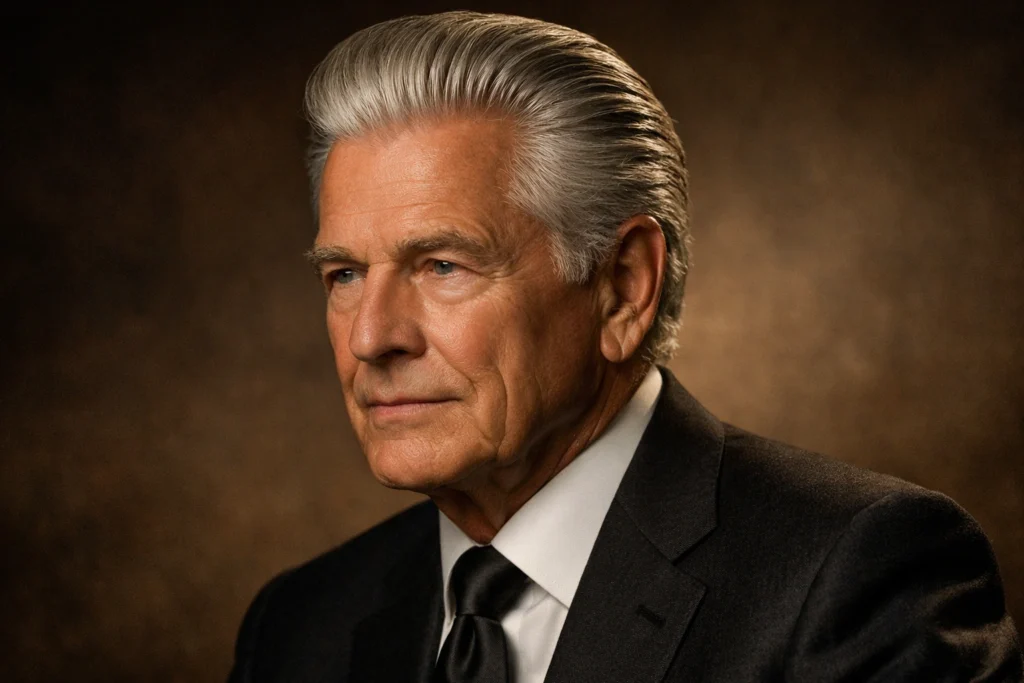
The slick back is one of the most inherently elegant of all classic men’s hairstyles, and it carries a particular midcentury authority that suits men of a generation that grew up watching Cary Grant and Robert Mitchum define what masculine style looked like on screen. It requires a degree of hair length on top, typically two inches or more, which means it suits men over seventy who still carry a good head of hair and want to wear it in a way that showcases its texture and character.
For men with silver or salt-and-pepper hair, the slick back takes on an additional quality of distinction. The natural luminosity of gray hair combined with the clean, directional flow of the slicked-back style creates a look of effortless authority that is difficult to replicate with any other classic hairstyle. Apply a medium hold pomade or styling cream to slightly damp hair and use a comb to guide the hair cleanly backward from the forehead, distributing the product evenly and ensuring a smooth, controlled finish. Men who prefer a more relaxed version of this style can opt for a slightly textured, less precisely groomed variation that still delivers the directional sweep of the slick back without the high-polish formality.
Product Choice for the Slick Back
Water-based products are the most practical choice for mature men wearing a slick back, as they provide sufficient hold and a natural finish that does not weigh down finer gray hair or leave it appearing stiff and artificial. Avoid heavy oil-based pomades, which can make white or silver hair look yellowish or overly saturated.
The Comb Over
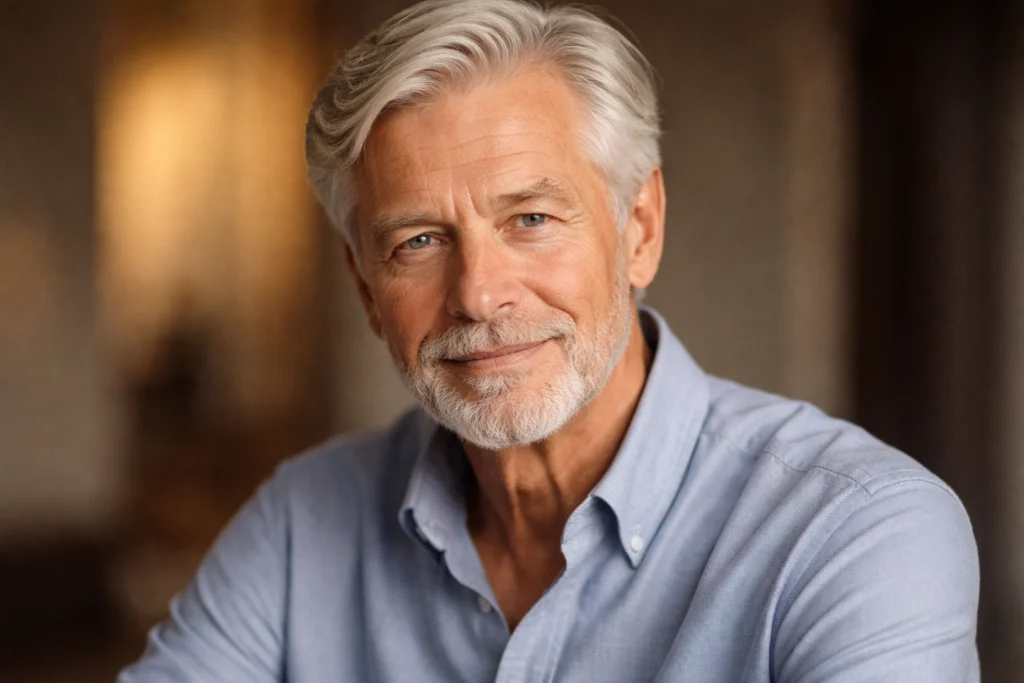
The comb over has a reputation problem that it does not entirely deserve. Its most notorious iteration, the elaborate and unconvincing combover used to conceal significant hair loss, has overshadowed what is actually a genuinely elegant and age-appropriate hairstyle when worn in its proper, modern form. The contemporary comb over for men over seventy is not a disguise. It is a straightforward, well-executed classic that parts the hair naturally to one side and allows it to fall with a degree of relaxed movement that suits both casual and formal occasions.
Worn at a medium length with a natural, unstrained part and allowed to lie with easy movement rather than being plastered into an artificial position, the modern comb over is one of the most handsome and wearable of all classic men’s hairstyles for mature men. It suits men with straight to wavy hair and works beautifully with natural gray or white coloring. A light hold cream or pomade applied through slightly damp hair and combed naturally to one side with a wide-tooth comb creates the relaxed, well-groomed result this style is built upon.
The Loose Comb Over Variation
For men who want maximum ease and minimal styling, the loose comb over is the appropriate choice. This version allows the hair to fall more freely after the initial part is established, producing a relaxed, naturally textured result that suits men whose daily lifestyle does not require the precision of a more formally maintained style.
The Brush Back
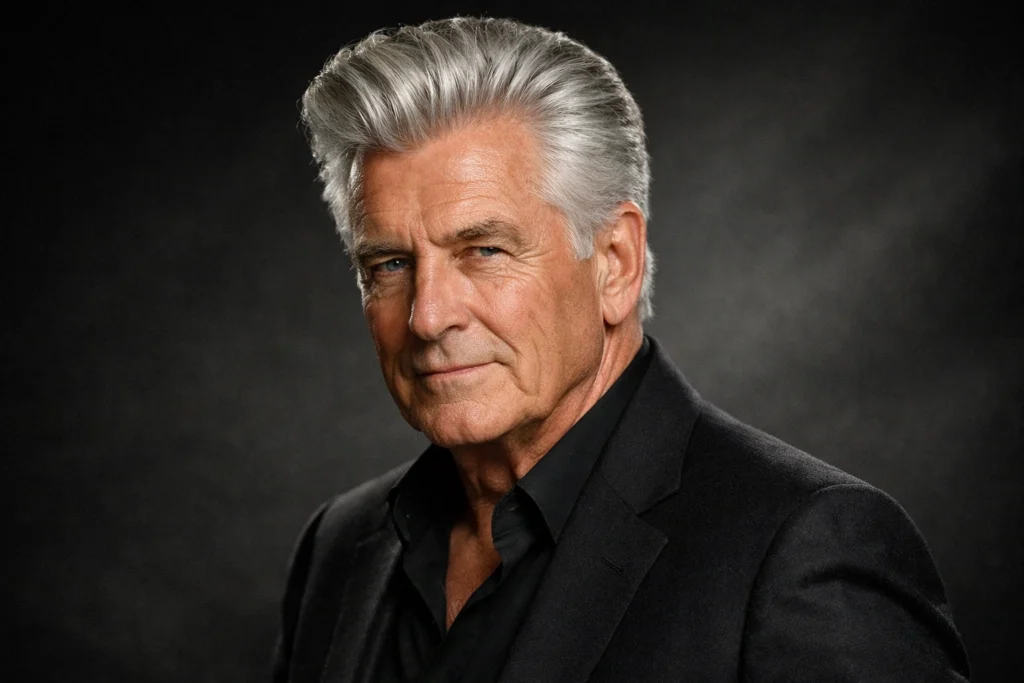
The brush back is a versatile and commanding classic men’s hairstyle that works well on men over seventy with sufficient hair density and a preference for a style that projects authority without demanding high-polish formality. It involves brushing all of the hair on top backward from the forehead with no specific part or directional sweep to either side, creating a full, swept-back appearance that adds visual height at the crown and emphasizes the face’s natural structure.
Men with thick or wavy silver hair will find the brush back particularly rewarding, as the natural body and movement of mature hair lends itself to this style’s deliberately less structured finish. The brush back is not as precisely controlled as the slick back, which is part of its appeal for men who want a distinguished appearance without the maintenance demands of a more formal cut. Apply a medium hold paste or cream through the hair and brush everything backward using a natural bristle brush, allowing the hair’s natural texture and direction to contribute to the overall shape. The result is a look that projects confidence and ease simultaneously.
Brush Back for Thinning Hair
Men with thinning areas at the crown should use a lightweight volumizing product at the roots before brush drying to add the density the style needs. Avoid overloading the hair with product, as excess weight on finer mature hair causes it to lie flat and defeats the brush back’s signature lifted quality.
The Caesar Cut

The Caesar cut is a clean, short hairstyle defined by its characteristic horizontal fringe sitting flat across the forehead, with short uniform length through the rest of the top and closely cut sides. It is one of the simplest and most low-maintenance of all classic men’s hairstyles, requiring minimal product and no significant styling time, which makes it a practical and stylish choice for men over seventy who prefer a straightforward daily grooming routine.
The Caesar cut sits comfortably at the intersection of short and classic, offering a structured, intentional appearance that reads as polished and age-appropriate without the preparation time of more involved styles. Silver and white hair looks particularly well-suited to this cut, as the short, even length allows the natural color to present uniformly and without the uneven distribution that can make gray hair in longer styles appear patchy or inconsistent. The Caesar pairs well with a neatly maintained beard or stubble, which many men over seventy find adds further definition and distinction to their overall appearance.
Maintaining the Caesar’s Fringe
The fringe of the Caesar cut needs trimming every three to four weeks to keep its characteristic horizontal line clean and intentional. A barber who understands the specific requirements of this cut will cut the fringe straight and at the appropriate length to sit naturally across the forehead without curling or lifting.
The Short Back and Sides

The short back and sides is perhaps the most quintessentially British of all classic men’s hairstyles, and it has maintained its status as a go-to choice for distinguished, well-dressed men across more than a century of grooming history. It is exactly what its name describes: short, neatly cut sides and back with more length left on top to allow for a degree of styling variation, from a side part to a brushed-back finish or even a subtle quiff.
For men over seventy, the short back and sides delivers one of the most dependable and universally flattering results of any classic hairstyle. The contrast between the shorter sides and the longer, styled top creates visual height and structure that lifts the face and prevents the flatness that can make older men’s hair look heavy and uninspired. It suits every face shape, adapts to straight, wavy, and even lightly curly hair textures, and presents equally well in casual and formal settings. Ask your barber specifically for scissor over comb rather than clipper guards for a more refined, personalized result that flatters the individual’s head shape and hair texture.
Styling Variations
Men over seventy can personalize the short back and sides through their choice of top styling. A simple side part for formal occasions, a brushed back finish for everyday wear, or a lightly textured natural look for casual settings all emerge from the same fundamental cut, giving this style a versatility that few others can match.
The Tapered Gray Style
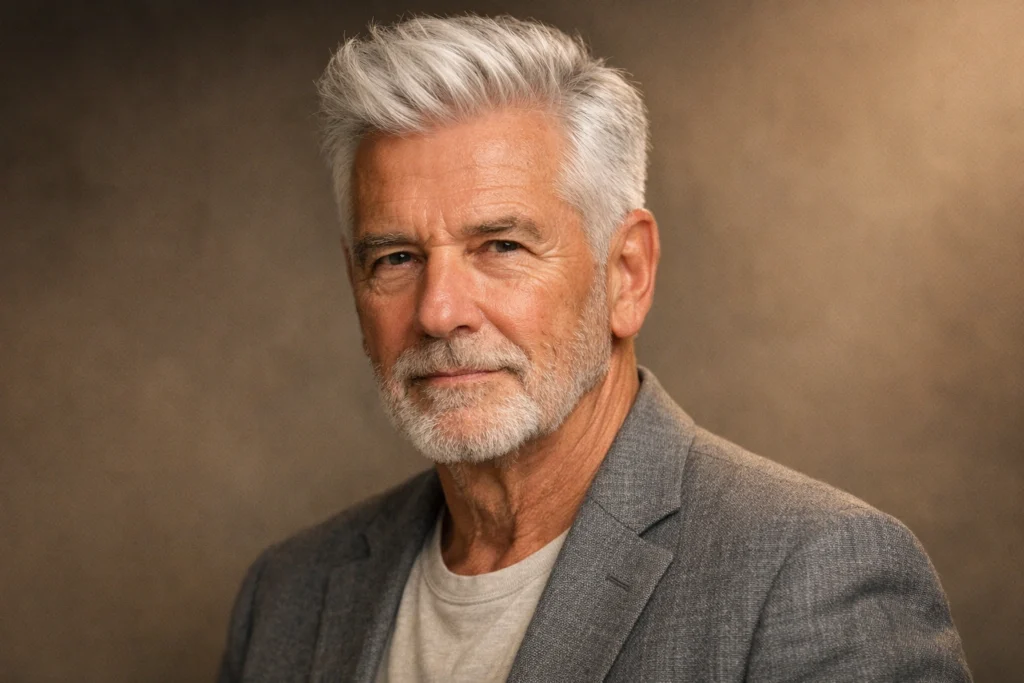
The tapered gray style is a contemporary and deeply flattering approach to wearing natural gray or white hair that has become one of the most celebrated classic men’s hairstyles for men over seventy in recent years. Rather than fighting the natural color of mature hair, this approach embraces it fully and builds the haircut specifically around the qualities that gray and white hair possess: its natural luminosity, its varied texture, and the dignified character it lends to a man’s face and overall presentation.
The taper in this style refers to the gradual reduction in hair length from the longer top down through the sides and to the neckline, creating a clean and structured silhouette that frames the face while keeping the overall look refined and controlled. The top is left at a length that allows for either a side part, a brushed-back finish, or a naturally textured look depending on the individual’s preference. This is a style designed to make gray hair look intentional, distinguished, and genuinely compelling rather than something to be concealed or minimized. A light hold product applied with the fingers after washing keeps the style looking fresh and natural throughout the day.
Embracing Gray as a Style Asset
Men over seventy who allow their gray or white hair to be the defining feature of their grooming approach rather than a problem to solve typically produce the most striking and convincing results. The tapered gray style is built entirely on this principle, which is why it consistently reads as one of the most authentically distinguished classic men’s hairstyles available to mature men.
The Gentleman’s Quiff
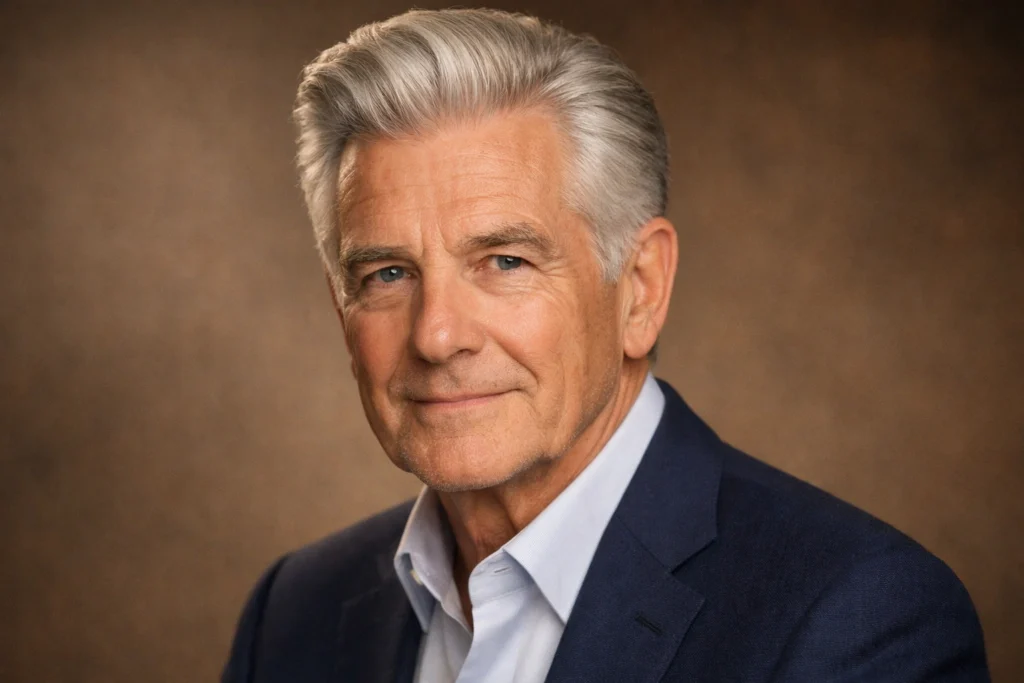
The quiff is often associated with younger men and more expressive grooming aesthetics, but in its classic, refined form it is one of the most elegant and age-appropriate styles a man over seventy can wear. The gentleman’s quiff features a modest amount of volume at the front of the hairline, swept back and slightly upward without the dramatic height of a pompadour or the pronounced backward sweep of a full brush back. It is a subtle, understated version of the style that adds lift and character to mature faces without appearing to attempt anything beyond the man’s years.
Silver and white hair carries a natural quality of visual interest that makes even a modest quiff striking and distinctive. The lift at the front creates flattering height that elevates the face and prevents the heaviness that can make mature men’s hair appear to drag downward. A light hold pomade or cream applied through slightly damp hair and blow-dried with gentle upward direction at the front is all that is required to achieve this style. The gentleman’s quiff pairs well with a side part, clean-shaven cheeks, and a well-pressed collar, producing a complete groomed look that honors the tradition of classic men’s hairstyles while remaining entirely appropriate to the man’s age and standing.
Quiff Height Considerations
For men over seventy, a quiff that sits at one inch or less of height above the natural crown delivers the most elegant and proportionally balanced result. Beyond this height, the style begins to lose its refinement and risks appearing to pursue a youthfulness that the gentleman’s quiff specifically avoids.
Conclusion
The twenty classic men’s hairstyles presented in this guide share a common quality that defines the very best grooming choices for men over seventy: they work with the man rather than against him. They respect the hair’s natural color, acknowledge any changes in density or texture, suit the lifestyle and daily grooming preferences of the individual, and project the kind of confident, unhurried elegance that belongs to men who have earned every silver strand on their heads.
The most important decision in mature men’s grooming is not which specific style to choose but whether to approach grooming as a celebration of where you are rather than an attempt to return to where you were. Every classic men’s hairstyle in this guide is built on that principle. Choose the one that suits your hair, your face, and your life. Have it cut by a barber who understands mature hair. Maintain it with quality, lightweight products. And wear it with the confidence that only a man in his seventies can carry.
You may also like this post: 20 Iconic 90s Haircuts for Men That Still Turn Heads
Frequently Asked Questions
Which classic men’s hairstyles work best for thinning hair at age 70?
The textured crop, short crew cut, Caesar cut, and tapered gray style are all excellent choices for men with thinning hair. These styles use short length and strategic texture to create visual volume and density. Avoid longer styles that draw attention to thinning patches and any cut that requires significant comb-over styling, which reads as less convincing at this age.
What products work best for classic men’s hairstyles on gray or white hair?
Lightweight, water-based products are the most effective choice for mature gray or white hair. Light hold pomades, matte styling creams, and texturizing sprays add structure and definition without weighing finer hair down or creating a greasy, flat finish. Avoid heavy oil-based pomades and high-shine gels, which can give gray hair an unflattering yellowish or overly saturated appearance.
How often should men over 70 visit the barber to maintain classic hairstyles?
Most classic men’s hairstyles at this age benefit from a fresh cut every three to five weeks. Shorter styles like the crew cut and Caesar cut need trimming every three weeks to maintain their clean shape. Longer variations like the slick back, gentleman’s quiff, and Ivy League cut can be maintained with a visit every four to five weeks.
Can men over 70 still wear their hair longer and maintain a classic look?
Yes. Styles like the slick back, brush back, and comb over all involve moderate length on top and remain classic and age-appropriate for men over seventy who retain sufficient hair density. The key is ensuring the style is well-maintained and the hair appears healthy and intentional. Very long styles are generally less flattering on mature men, but medium-length classic styles are entirely appropriate.
Should men over 70 embrace their gray hair or consider coloring?
Embracing natural gray or white hair is the approach most consistently associated with distinguished, age-appropriate style for men over seventy. Gray and silver hair carries a natural elegance and authority that artificial coloring rarely replicates convincingly. Coloring can look effective when done professionally and maintained rigorously, but natural gray hair styled with one of the classic men’s hairstyles in this guide consistently produces the most authentic and compelling result.
1 Comment