
Introduction
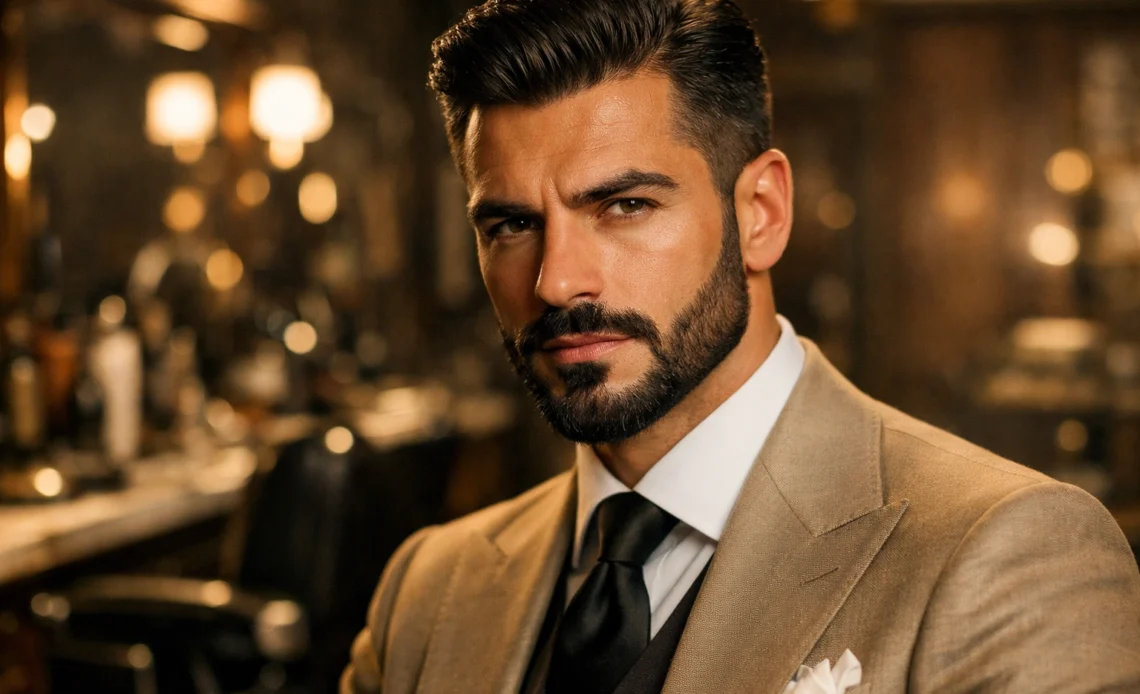
There is a reason men across the world are looking toward Italy for grooming inspiration. Italian style has always been defined by a concept the Italians call sprezzatura, the art of making something carefully considered appear effortlessly natural. Nowhere is this philosophy more powerfully expressed than in the beard styles that have emerged from Italian barbershops and found their way onto every major grooming platform in the world.
Italian beard trends are not about growing the longest beard or following the most extreme aesthetic. They are about precision, proportion, and personality. The defining qualities of an Italian beard style are clean structural lines, a carefully shaped jawline, a balanced relationship between the mustache and the beard body, and a finish that looks polished without appearing rigid. Whether the style is a short, dense stubble or a full sculpted beard faded into the haircut, the commitment to intentional grooming is always visible.
This year, Italian beard trends have taken on new momentum. The look has spread across social media and barbershop culture at remarkable speed, inspiring men of all face shapes and hair types to reconsider what their facial hair is capable of. The following 20 styles represent the finest and most compelling Italian beard trends for modern men, covering every variation from the minimal and understated to the bold and architectural. Each one carries the hallmark qualities of Italian grooming at its best: structure, elegance, and an unmistakable sense of masculine confidence.
The Classic Italian Beard
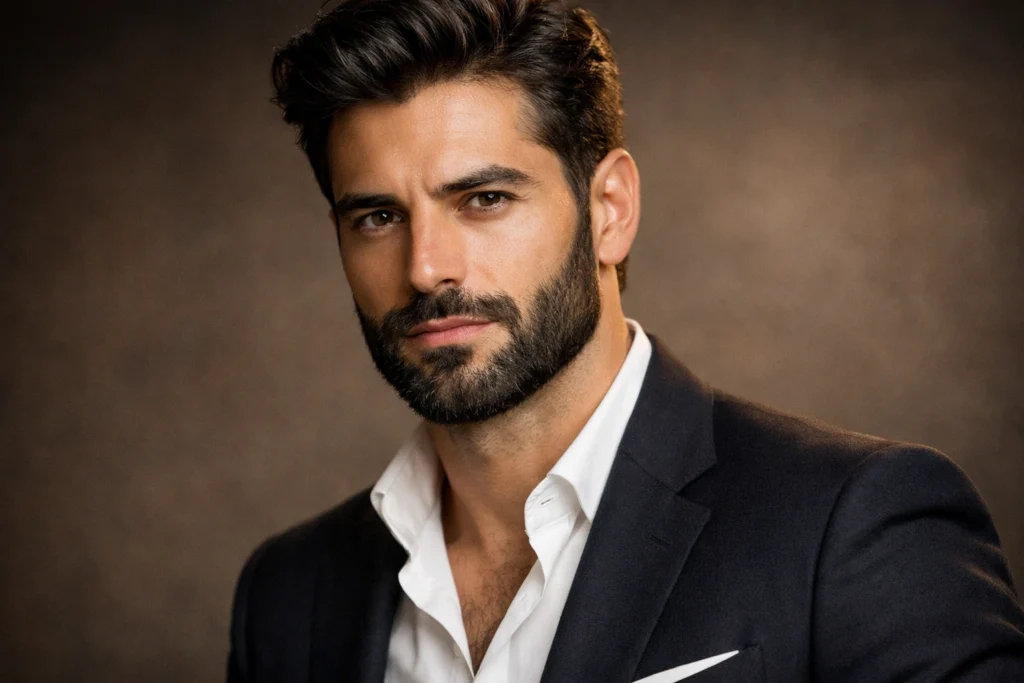
The classic Italian beard is the style that launched the entire trend and continues to define it. It features a well-groomed mustache connected to a full beard with a subtle cheek fade that transitions from closely trimmed skin near the cheekbones to fuller, denser hair toward the jaw and chin. The effect is a beard that appears naturally grown but carries a deliberate, sculpted quality that communicates genuine grooming discipline.
This style works particularly well on oval and square face shapes, where the natural fullness at the jaw enhances the bone structure without overloading the face with volume. The key to maintaining this look is a professional trim every ten to fourteen days to preserve the cheek fade gradient and keep the neckline clean and sharp. Beard oil applied daily softens the hair and adds the subtle sheen that gives the classic Italian beard its characteristic Mediterranean warmth.
How to Style the Classic Italian Beard
Begin with three to four weeks of growth to provide enough density for the barber to work with. Ask specifically for a graduated fade on the cheeks that builds in fullness toward the jawline. Keep the mustache neatly trimmed without disconnecting it from the beard body, and maintain a clean neckline approximately one inch above the Adam’s apple.
The Italian Beard Fade
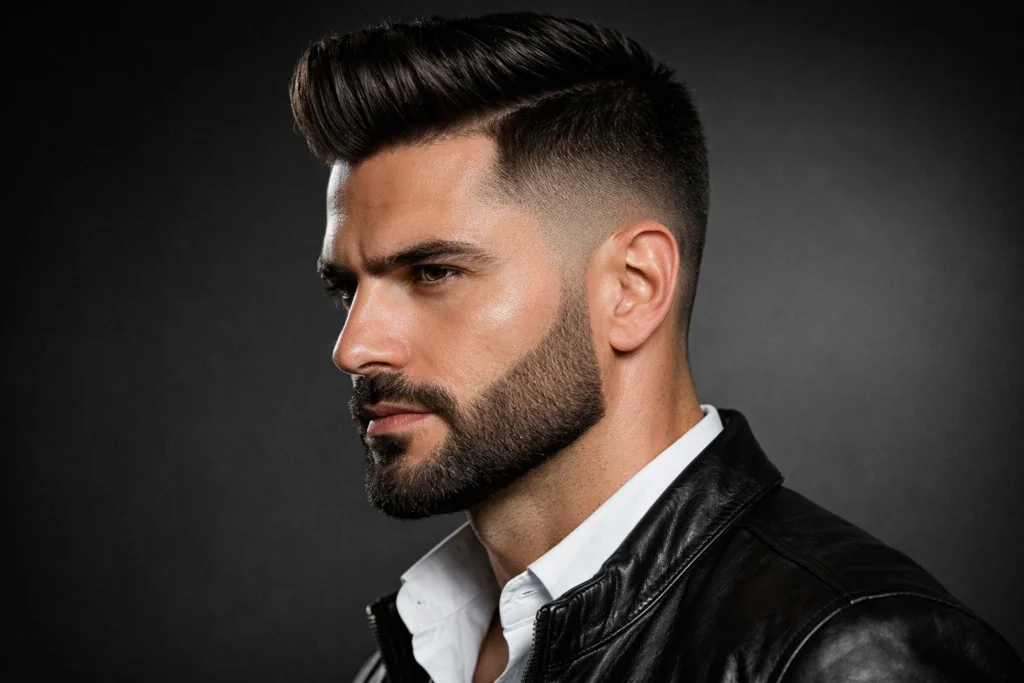
The Italian beard fade is the contemporary evolution of the classic style, designed specifically for men who want their beard to integrate seamlessly with their haircut. The fade technique blends the sideburns gradually into the beard, removing any harsh disconnection between the haircut and the facial hair and creating a unified, flowing silhouette from head to jaw.
This style requires a skilled barber who understands both haircut fading and beard shaping simultaneously. The best results come from booking the haircut and beard appointment together and allowing the barber to plan the two styles as a single composition. A high fade or taper haircut pairs naturally with this beard style, and the overall effect suits every face shape because the fade transition is inherently adaptable to individual proportions.
The Balbo Beard
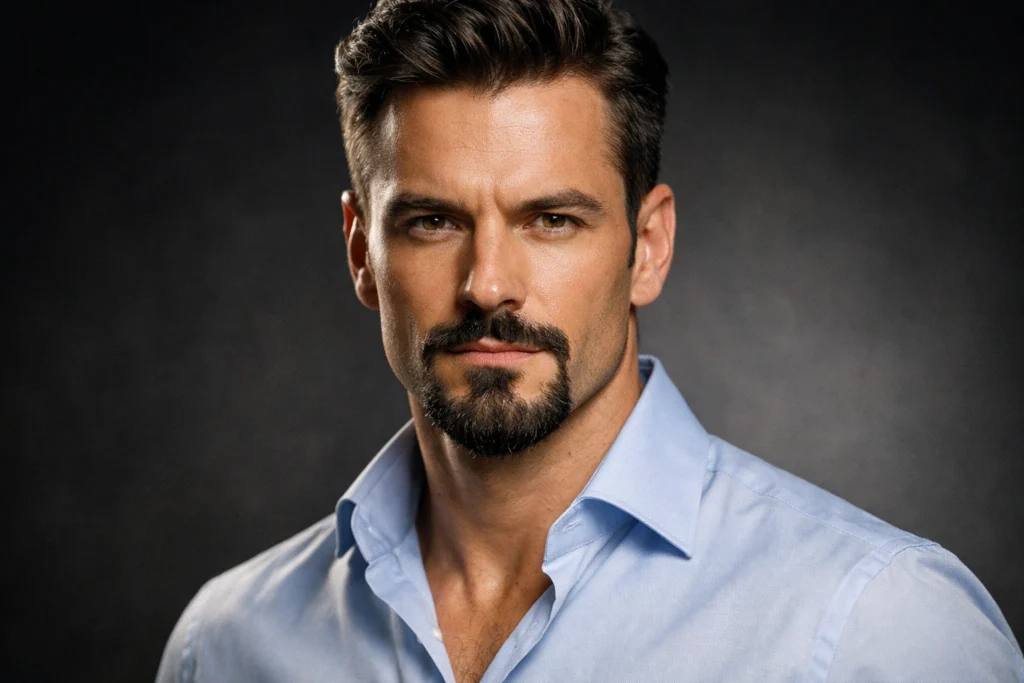
The Balbo beard is one of the most historically significant Italian beard trends, named after Italian aviation pioneer Italo Balbo and characterized by its distinctive disconnected mustache and extended goatee combination. The mustache floats separately above the lip without connecting to the beard below, and the beard itself is concentrated at the chin and jaw in a defined, sculptural shape.
What makes the Balbo particularly compelling in contemporary grooming is its balance of vintage heritage and modern individuality. It is a style that demands strong facial features and a willingness to commit to daily maintenance, as the gap between mustache and beard must be kept consistent and clean. Men with strong jawlines and well-defined lips will find this style enhances their features to striking effect.
The Italian Stubble

Italian stubble is the most accessible entry point into the broader world of Italian beard trends, and it is simultaneously one of the most underappreciated grooming options available to modern men. This style maintains a short, even layer of facial hair across the jaw, chin, and upper lip that is trimmed to between one and four millimeters in length and shaped with clean, precise edges along the cheekbones and neckline.
The power of Italian stubble lies in its ability to define the jawline, add masculine dimension to the face, and project a well-groomed appearance without requiring significant growth or maintenance time. A quality beard trimmer used every two to three days keeps the length consistent, and a clean razor line along the cheeks prevents the stubble from appearing untended. This style suits every face shape and works equally well in the boardroom or at a weekend dinner.
The Garibaldi Beard
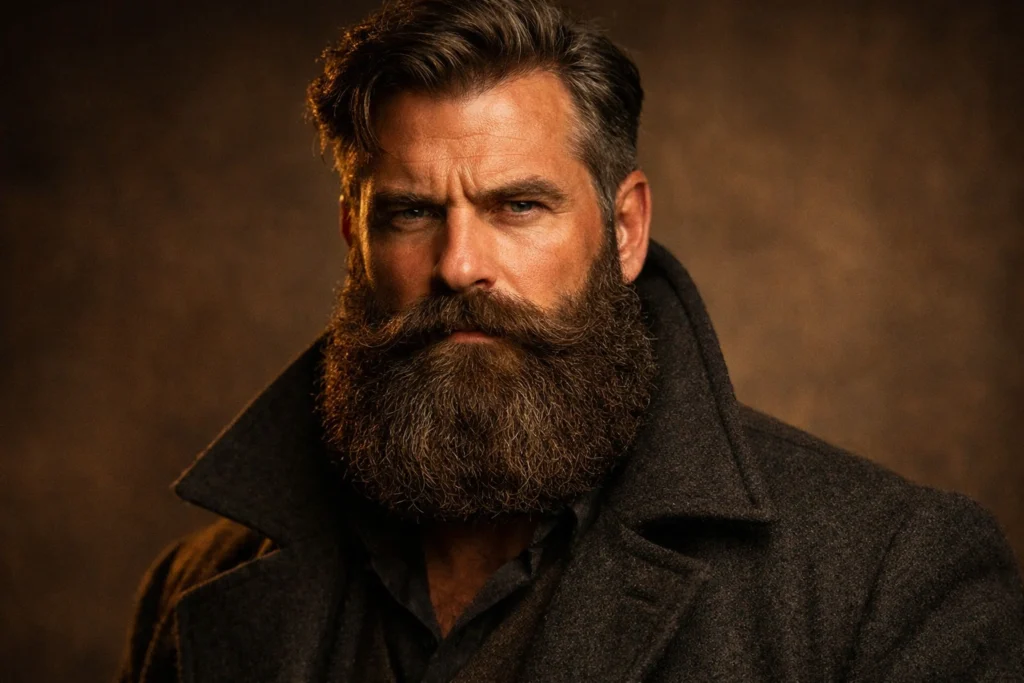
The Garibaldi beard takes its name from Giuseppe Garibaldi, the Italian general and national hero known as much for his commanding presence as for his formidable facial hair. This style features a full, wide beard with a rounded base that extends to a moderate length, typically four to eight inches, and is paired with a connected mustache that blends naturally into the beard body.
What distinguishes the Garibaldi from a general full beard is its structured roundness and intentional width. The base is trimmed to a gentle curve rather than left to grow freely, giving the style a refined quality that separates it from more rugged interpretations of full beard growth. This is a style for men who can grow dense, full facial hair and are willing to invest in regular trimming, beard conditioning, and shaping to maintain its signature silhouette.
The Disconnected Mustache and Beard
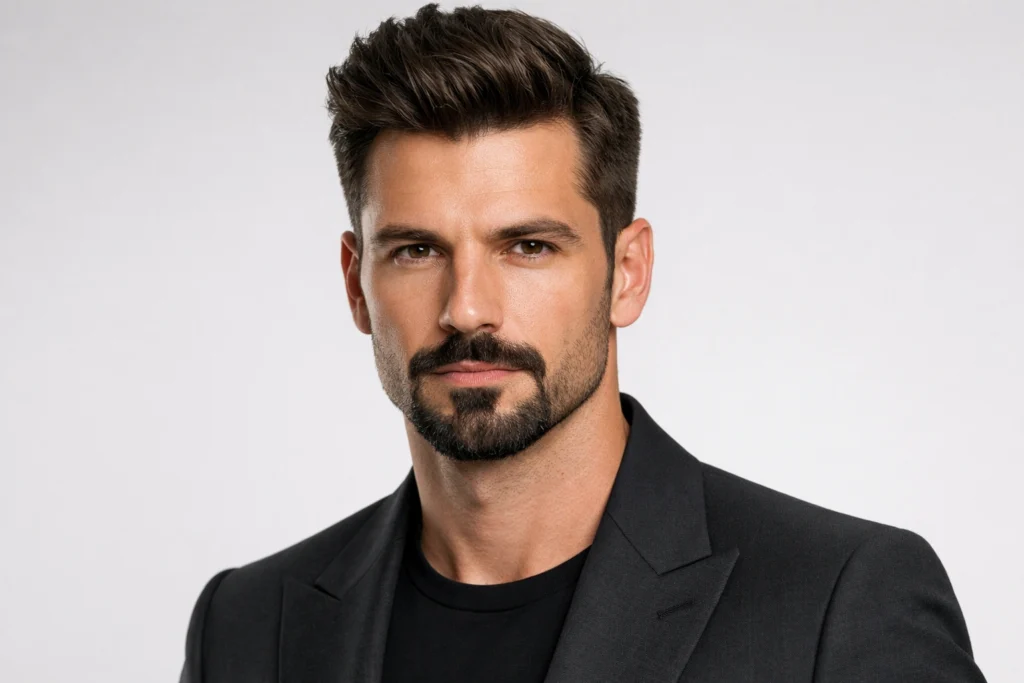
The disconnected mustache and beard combination represents one of the most artistically expressive of all Italian beard trends. In this style, the mustache and the beard are deliberately maintained as two separate elements with a visible gap between them, creating a modern, geometric aesthetic that communicates both confidence and grooming precision.
The Italian interpretation of this look differs from other disconnected beard styles in its emphasis on symmetry and cleanliness. Both the mustache and the beard body must be equally well maintained, shaped, and conditioned to ensure the intentional disconnection reads as a deliberate artistic choice rather than patchy growth. Daily maintenance with a precision trimmer is essential. This style pairs best with a strong haircut and suits men with oval and square face shapes who have sufficient density in both the mustache and beard areas to carry both elements independently.
The Italian Circle Beard

The circle beard, known in Italian barbershops as the mosca or port royale variation, combines a neatly trimmed mustache with a rounded goatee that connects them into a continuous ring of facial hair encircling the mouth. The Italian version of this classic style adds precision and definition to the cheek lines and ensures the connecting lines between mustache and goatee are perfectly symmetrical and sharply defined.
This is an excellent choice for men who prefer a more compact beard style that still carries significant visual presence. The circle beard adds definition to the area around the mouth, draws attention to the lips, and creates a focal point on the face that communicates style and personality. It suits oval and rectangular face shapes particularly well and requires a trim every seven to ten days to maintain its characteristic circular symmetry.
The Italian Short Boxed Beard
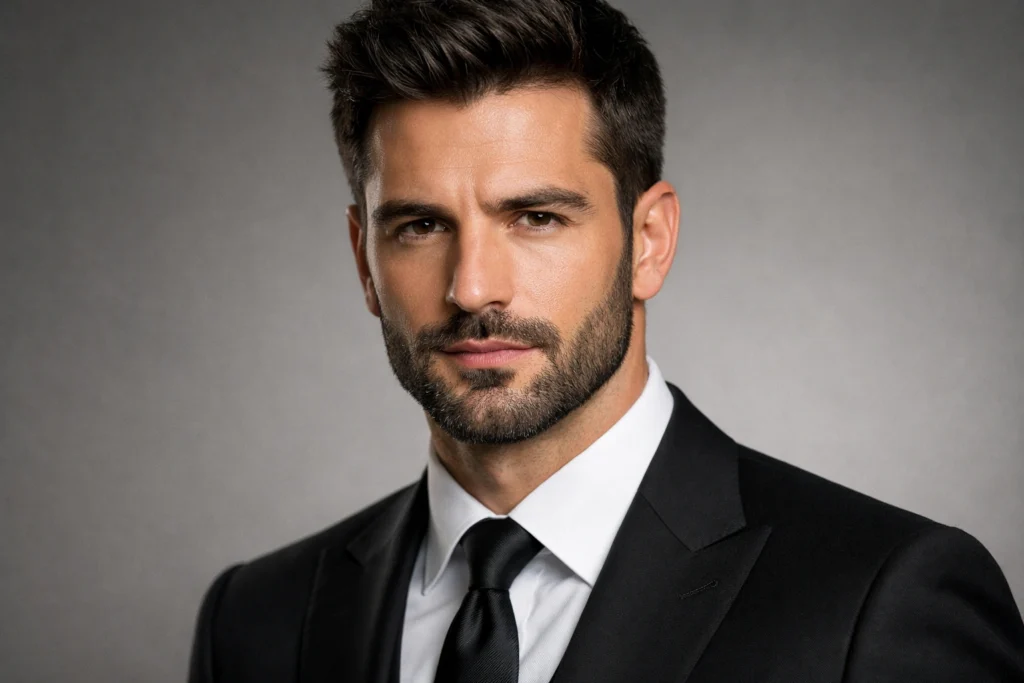
The Italian short boxed beard is widely considered one of the most universally flattering beard styles available to men of any age or face shape. It features even, moderate-length growth across the entire beard area, with sharply defined box-shaped edges along the cheekbones, neckline, and jaw. The mustache connects naturally to the beard body, and the overall shape is kept at a length between half an inch and one and a half inches.
What sets the Italian interpretation apart from a standard boxed beard is the attention to the cheek lines. In Italian barbering, the cheek lines are often sculpted with particular care, sometimes incorporating a subtle upward curve toward the sideburn area that enhances the natural shape of the face. A strong hold beard balm keeps the shape controlled and the edges sharp between barbershop visits. This style suits every face shape and complements any hairstyle from a taper fade to a longer textured cut.
The Italian Royale Beard
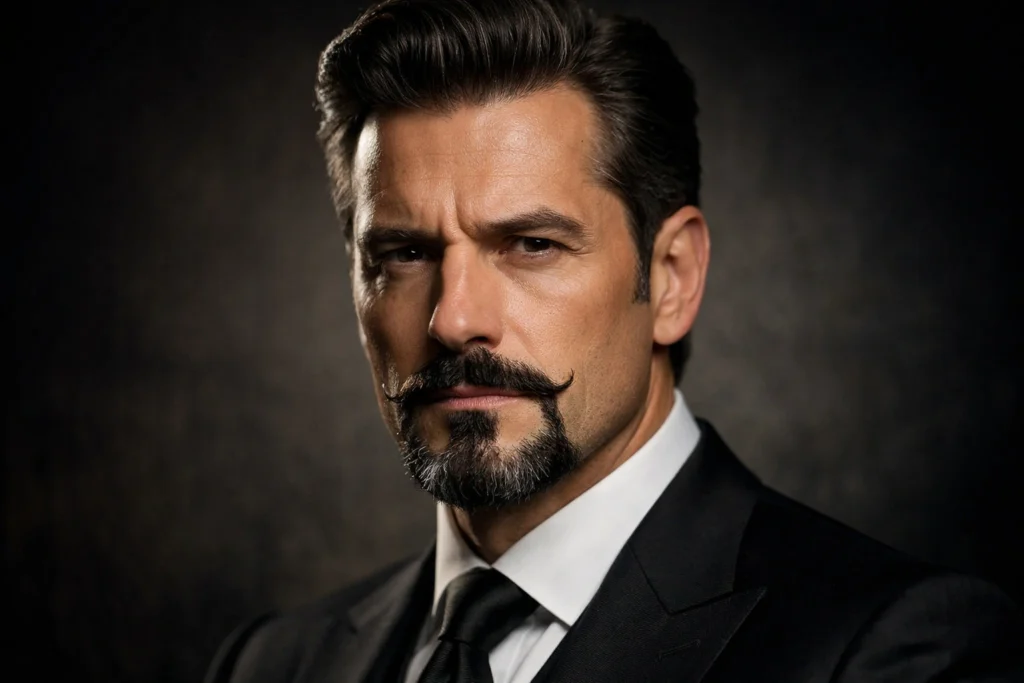
The Italian Royale beard is a refined close relative of the Van Dyke, distinguished by its sharper, more defined mustache and a precisely trimmed chin patch that carries greater presence and weight than the standard Van Dyke allows. The two elements are kept separate with a clean shaved gap between them, and both are maintained with meticulous precision to ensure every line reads as intentional and sharp.
This is a beard style associated with confidence and visual authority. It has a historical weight that references centuries of Italian masculine elegance and a modern crispness that ensures it looks current rather than dated. The Royale suits square and oval face shapes best and pairs naturally with medium fade haircuts or a classic pompadour. Styling balm with a firm hold keeps the mustache and chin patch in position throughout the day.
The Full Mediterranean Beard
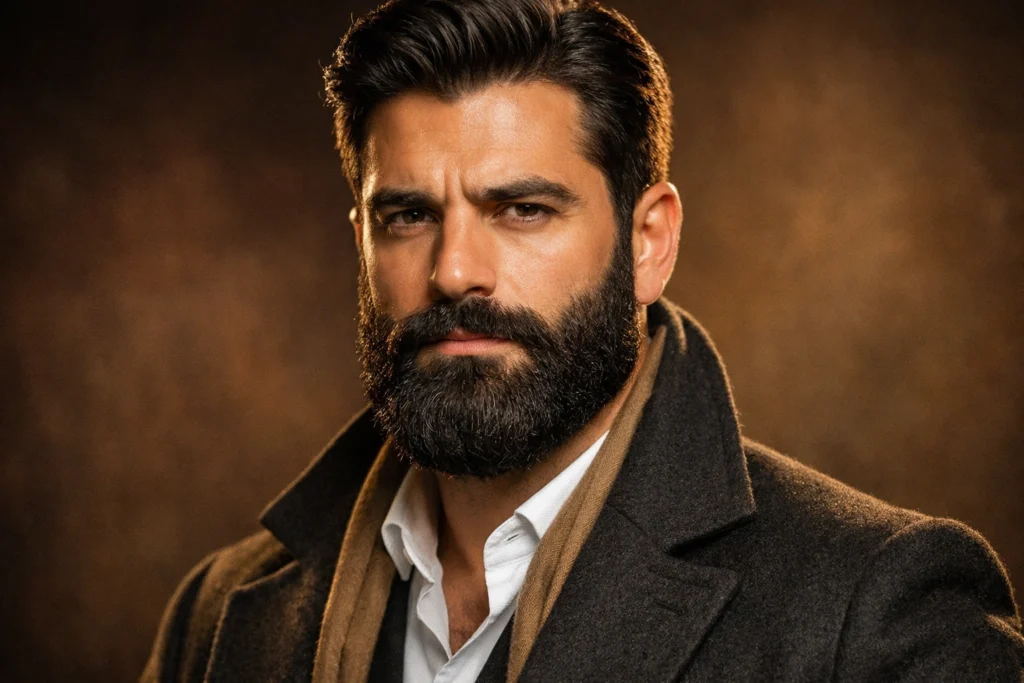
The full Mediterranean beard is the boldest and most visually commanding entry in the Italian beard trend family. It features dense, full growth across the entire beard area, allowed to reach a moderate to substantial length while still being shaped and maintained with the structural discipline that defines Italian grooming at every level. The neckline is kept clean, the cheek lines are defined, and the overall shape is controlled to prevent the beard from appearing untamed or directionless.
This style is best suited to men who can grow dense, even facial hair and have the patience to invest in regular conditioning and shaping. Beard oil and a quality beard conditioner used daily keep the hair soft, manageable, and healthy. A professional trim every two to three weeks maintains the shape and prevents the beard from losing its structural integrity. The full Mediterranean beard suits square, oval, and oblong face shapes and pairs best with an equally bold hairstyle that matches its visual weight.
The Italian Beard with Sculpted Cheek Lines
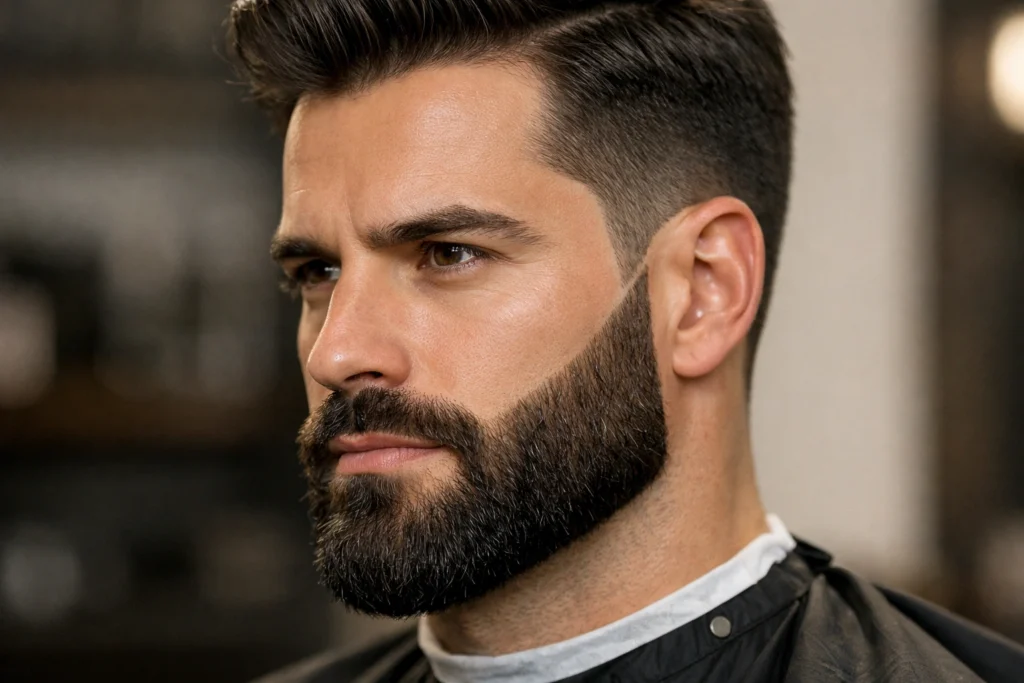
One of the defining characteristics of Italian beard culture is the elevated importance placed on the cheek lines. Where many grooming traditions simply clean up the cheeks with a straight razor, Italian barbering treats the cheek line as an architectural element of the beard style itself, using precise curves, angles, and gradients to frame the face with genuine intention.
The Italian beard with sculpted cheek lines can be applied to almost any beard style, from a short stubble to a full boxed beard, and the result is always a heightened sense of structure and masculinity. The cheek lines can be shaped as a high, straight line that emphasizes the cheekbones, a gentle curve that softens angular features, or a geometric angle that adds drama and definition. Ask your barber to discuss the option that best suits your individual face shape before committing to a particular line, and use a precision trimmer or detailing razor between visits to keep the lines crisp.
Conclusion
Italian beard trends have earned their dominant position in contemporary men’s grooming because they deliver something genuinely rare: a style philosophy rather than a single prescriptive look. From the accessible elegance of Italian stubble to the bold architectural presence of the full Mediterranean beard, every style covered in this article is united by the same core principles of precision, proportion, and purposeful maintenance.
The modern man who embraces an Italian beard trend is not simply following a trend. He is adopting a grooming standard that prioritizes discipline, craftsmanship, and the quiet confidence that comes from knowing you look exactly as you intended. Find the style on this list that aligns with your face shape, your hair density, and your lifestyle, invest in quality grooming products, and build a relationship with a barber who understands the craft. The results will speak for themselves with a clarity that requires no further explanation.
You may also like this post: 20 Edgy Haircuts Every Modern Man Should Try
Frequently Asked Questions
What exactly defines an Italian beard trend as distinctly Italian?
An Italian beard style is defined by its emphasis on clean structural lines, balanced proportions between the mustache and beard, a subtle cheek fade or sculpted cheek line, and a polished finish that appears natural rather than overly styled. The philosophy of sprezzatura, looking effortlessly put together through deliberate effort, is central to what makes an Italian beard distinct from other grooming traditions.
Which Italian beard trend suits a round face shape best?
Men with round face shapes benefit most from styles that add vertical length and definition to the lower face. The Italian short boxed beard with a longer chin, the Balbo beard, and the circle beard are all excellent choices as they draw the eye downward and create the appearance of a more elongated face shape. Keeping the sides trimmed close and the chin fuller amplifies this elongating effect.
How long does it take to grow enough facial hair for a classic Italian beard?
Most Italian beard styles require between three and five weeks of uninterrupted growth before a barber has enough to work with when shaping the initial style. The Italian beard fade and the Italian stubble can be achieved with less growth, sometimes as little as two weeks, while the Garibaldi and the full Mediterranean beard require several months of committed growth before reaching their full potential.
What are the essential grooming products for maintaining Italian beard trends?
The core products for Italian beard maintenance are a quality beard shampoo used two to three times per week, a beard oil applied daily to moisturize and add sheen, a beard balm or styling wax for shaping and controlling the edges, and a precision trimmer or detailing razor for maintaining clean lines between barbershop visits. High-quality products with natural ingredients produce significantly better results than budget alternatives.
Can Italian beard trends work for men with patchy facial hair growth?
Yes. Several Italian beard trends are well-suited to men with uneven or patchy growth. Italian stubble disguises patchiness through its uniformly short length. The circle beard and the Royale beard concentrate facial hair in the areas around the mouth and chin where growth tends to be most dense for most men. A skilled Italian-style barber can assess individual growth patterns and recommend the style that works best with the available density rather than against it.
1 Comment