Introduction
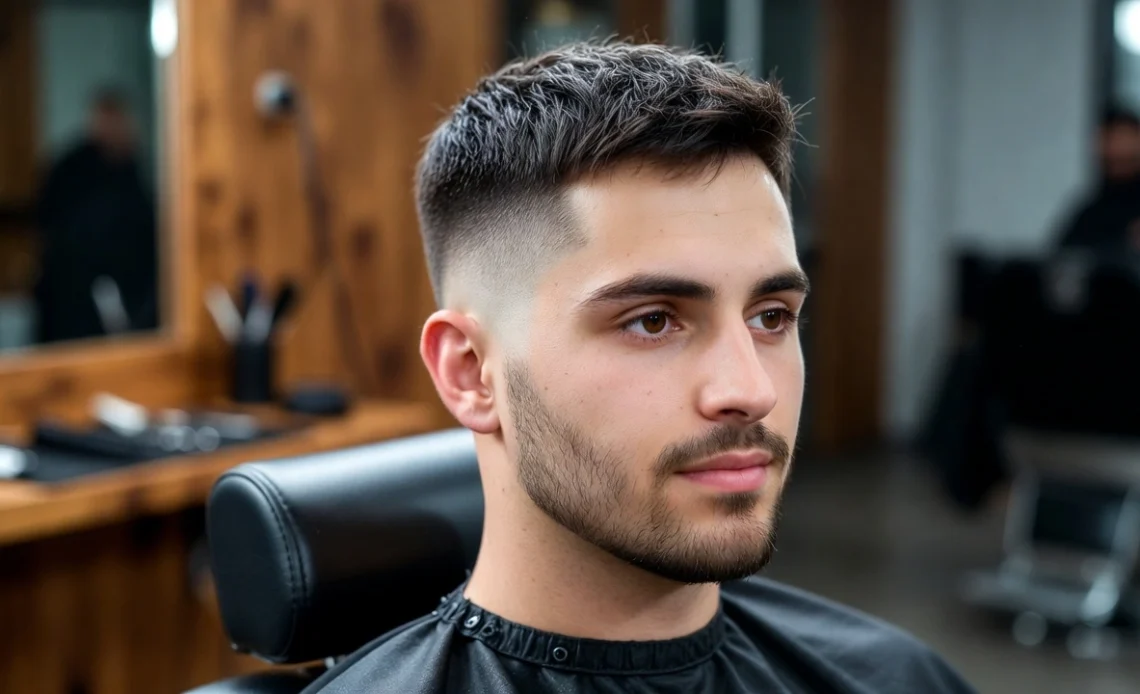
Few things transform a man’s appearance as dramatically and efficiently as a well-executed fade. In 2026, the fade haircut has evolved far beyond a simple barbershop staple. It has become a canvas for personal expression, blending precision technique with individual style in ways that suit every face shape, hair type, and lifestyle. Whether you sit in a barber’s chair every two weeks or prefer a low-maintenance look that grows out gracefully, there is a modern fade haircut style designed specifically for you.
The demand for fade haircuts continues to rise globally, driven by social media trends, celebrity influence, and a broader cultural shift toward intentional grooming. Barbers are pushing their craft to new heights, combining traditional clipper techniques with contemporary aesthetics to produce cuts that are simultaneously sharp and stylish.
This guide covers 18 of the most compelling modern fade haircut styles for 2026. Each style is described with enough detail so you can walk into any barbershop and communicate exactly what you want. From the classic low fade to the bold burst fade, from a clean skin fade to a curly top fade, this is your definitive reference for looking fresh this year.
Low Fade
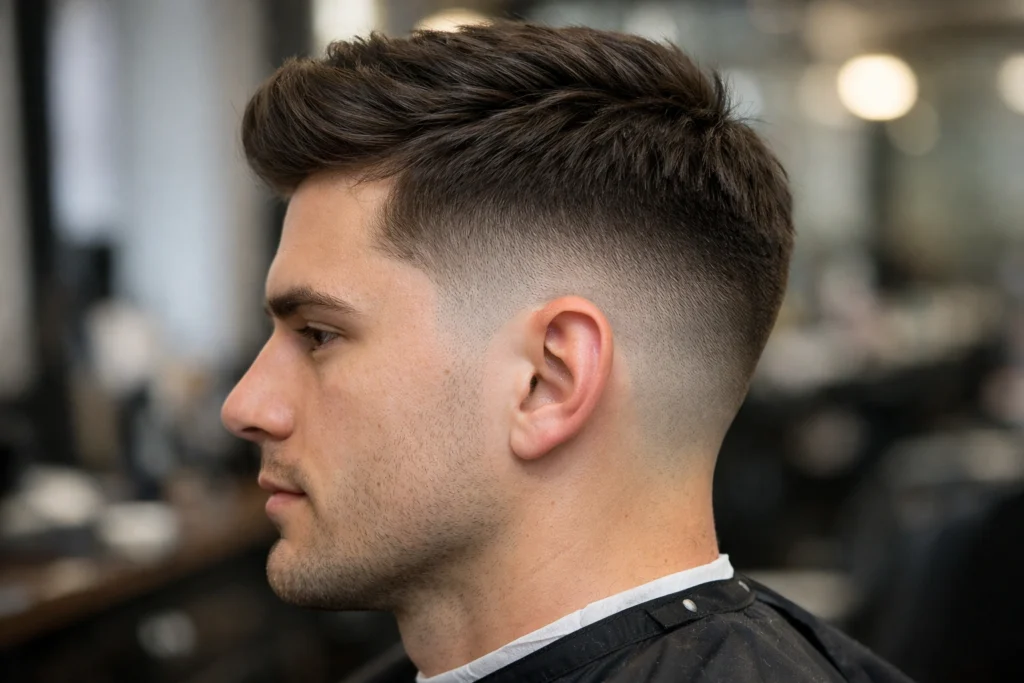
The low fade is the entry point for men who want a clean, polished look without anything too dramatic. The blend starts just above the ear and tapers downward toward the neckline, leaving the majority of the hair on the sides intact. This subtlety makes it an ideal choice for professional settings, formal occasions, or anyone approaching fades for the first time.
The low fade pairs exceptionally well with medium-length hair on top, comb-overs, side parts, and textured crops. It frames the face without pulling too much attention to the sides, letting the top styling do the talking. Maintenance is moderate since the fade grows out more gradually than higher styles, meaning you can stretch barber visits to every three to four weeks.
Who Should Choose It
Men with round or heart-shaped faces benefit most from a low fade because it preserves volume on the sides and avoids emphasizing width at the temples.
Mid Fade
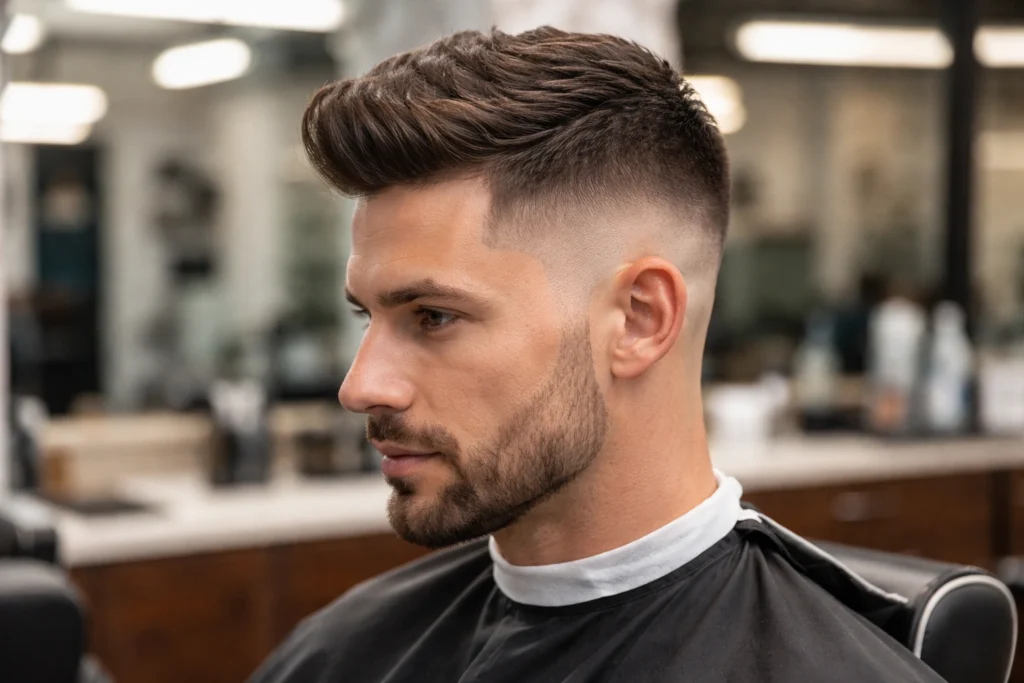
The mid fade occupies the sweet spot between subtle and bold. It begins at a medium height on the sides, roughly between the temples and the ears, creating a clean transition that is noticeable but not extreme. This versatility has made the mid fade one of the most requested styles in barbershops worldwide.
It works on virtually every hair type, from straight and wavy to thick and curly. Pair it with a textured quiff, a pompadour, or a simple messy crop on top and you have a look that effortlessly transitions from morning meetings to evening outings. Most barbers recommend this style to clients who are unsure which fade suits them, because it flatters a wide range of face shapes and rarely misses.
Styling Suggestions
Apply a medium-hold matte clay to damp hair on top, work it through with your fingers, and let it air dry for a natural, textured finish that complements the clean sides perfectly.
High Fade
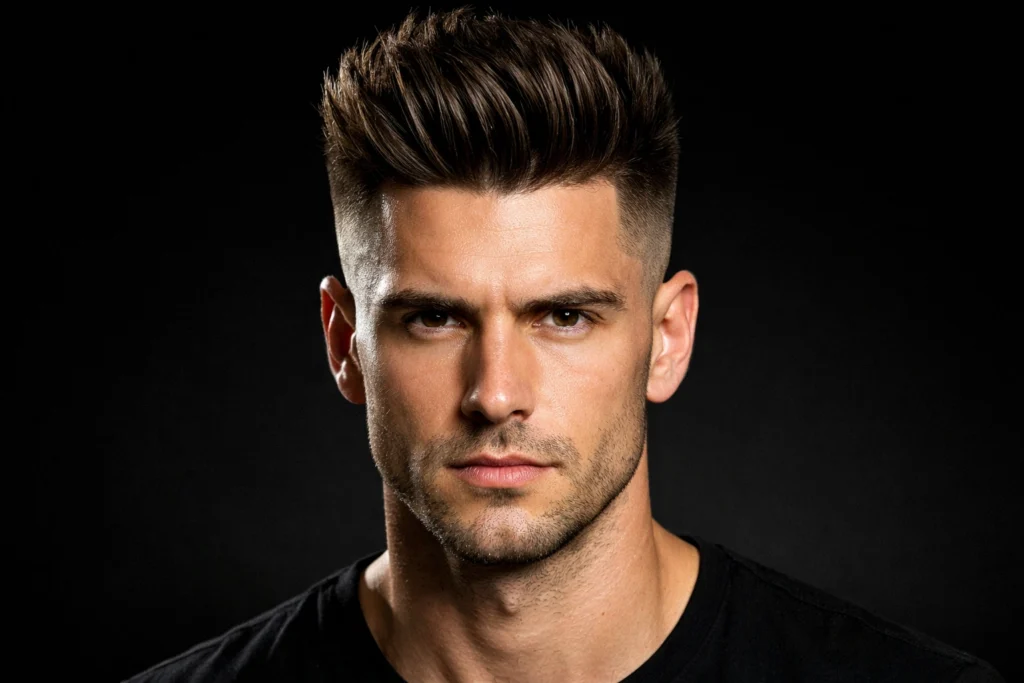
For men who want maximum contrast and a bold statement, the high fade delivers exactly that. The blend begins near the temples or even higher, close to the parietal ridge, leaving the sides and back virtually bare while concentrating all the length and volume on top. The result is a dramatic silhouette that commands attention.
High fades are popular in urban style communities and are particularly striking when paired with thick or curly hair on top. They also work well with pompadours, textured crops, and tall styling choices that benefit from the visual anchor the high fade provides. Because they expose more skin, they require more frequent barber visits, typically every one to two weeks, to stay looking sharp.
Best Pairings
High fades work especially well with angular face shapes such as rectangular or heart-shaped faces, where the extra height on top adds desirable proportions.
Skin Fade
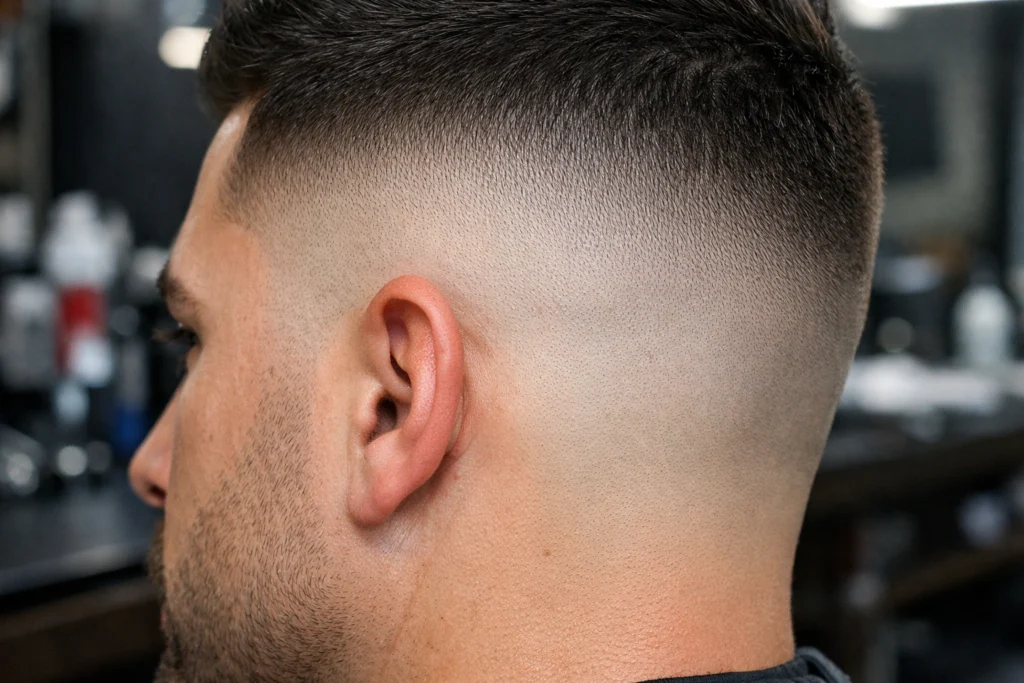
Also called a bald fade, the skin fade takes the clipper all the way down to the skin at the bottom of the sides and back. This creates an exceptionally clean, almost surgical finish that has become one of the defining looks of contemporary barbering. The contrast between bare skin and the hair above is striking and unmistakably modern.
Skin fades can be executed at low, mid, or high starting points and pair well with nearly any top style. They look particularly powerful with textured crops, slick backs, and comb-overs. The key to a great skin fade is the skill of the barber, as the gradient must be seamless without visible lines or patches.
Maintenance Requirement
Skin fades need the most upkeep of any fade style. Plan barber visits every one to two weeks to keep the blend looking tight and the skin line clean.
Taper Fade
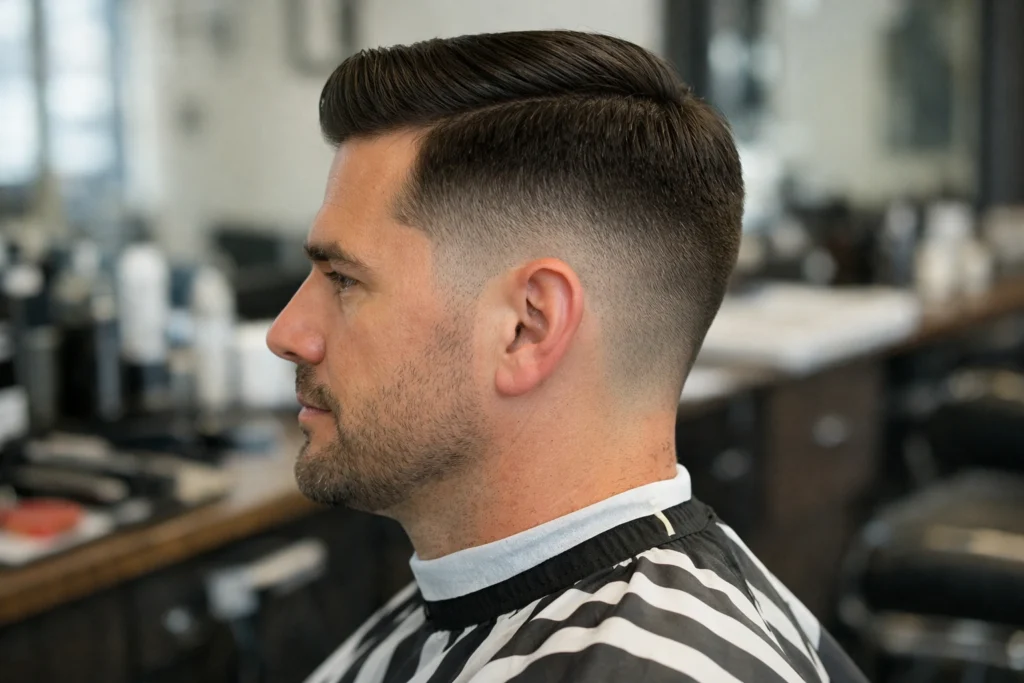
The taper fade is a refined, classic approach to gradual length reduction. Unlike a standard fade that typically blends down to skin, a taper fade reduces hair length more gently, leaving a thin layer of hair even at the shortest point. This produces a cleaner, more conservative look that has been a barbershop cornerstone for decades.
In 2026, the taper fade has been reimagined with modern top styles including textured layers, loose curls, and even longer styled tops. It is particularly suited to men who want a groomed appearance without the starkness of a skin fade. The taper works harmoniously with natural hairlines and complements beard styles exceptionally well.
Classic or Contemporary
Traditional taper fades suit conservative workplaces. When paired with a modern textured top or a relaxed fringe, the same technique takes on an entirely contemporary feel.
Drop Fade
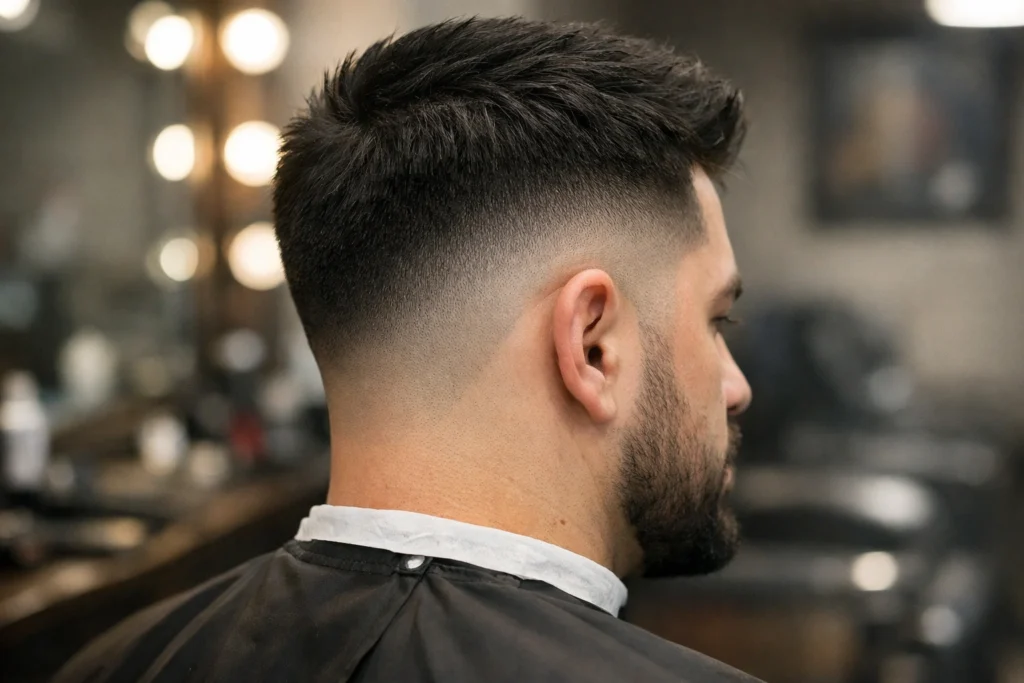
The drop fade is named for the way the fade line curves downward behind the ear, dropping lower at the back of the head than at the temples. This curved silhouette creates a distinctive shape that adds an artistic element to an otherwise standard fade. It is one of the more technical styles to execute, so choosing an experienced barber is essential.
When done correctly, the drop fade enhances the natural contour of the head and creates a more dynamic profile. It pairs beautifully with voluminous tops such as curly afros, soft quiffs, and medium-length textured hair that benefits from the additional visual interest the drop provides.
Visual Impact
The drop fade is an excellent choice for men who want their haircut to look intentionally styled and crafted rather than simply trimmed.
Burst Fade
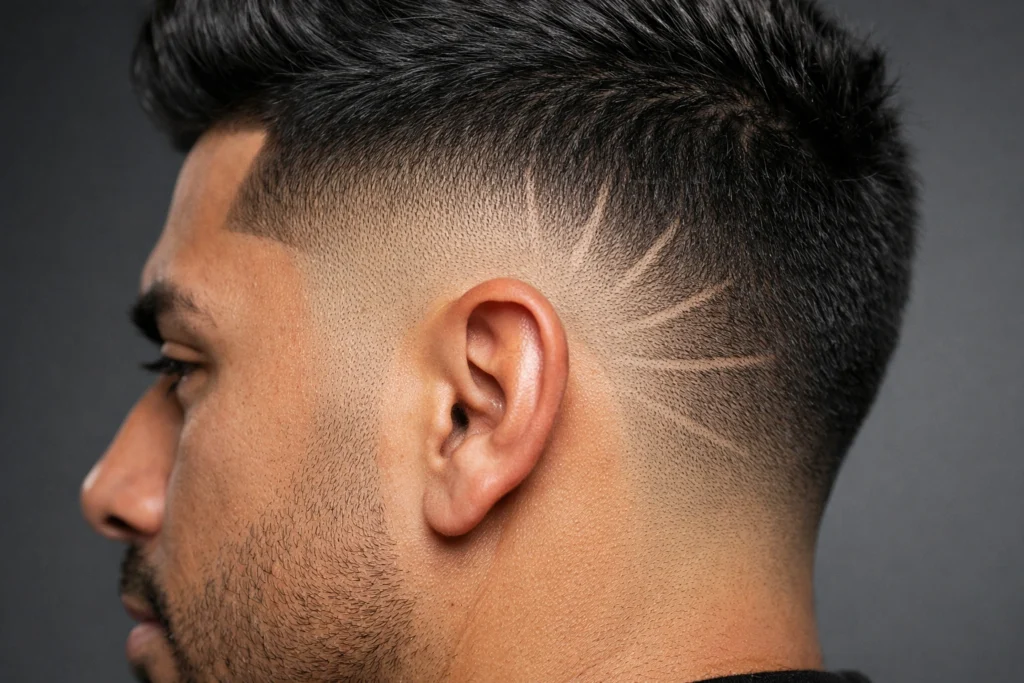
The burst fade is one of the standout trends of 2026. It creates a semicircular, sunburst shape around the ear, blending outward in all directions rather than following the standard straight vertical line of a traditional fade. The result is a distinctive, eye-catching finish that adds flair to any haircut.
The burst fade is most commonly paired with a mohawk, a modern mullet, or a textured top with significant volume. It is bold, clean, and instantly recognizable. The curved blending technique requires a skilled barber who is comfortable with freehand clipper work, so this is not a style to attempt at a budget chain salon.
Style Confidence
The burst fade suits men who are confident in their style choices and want a cut that reads as deliberate, creative, and current.
Textured Crop with Fade
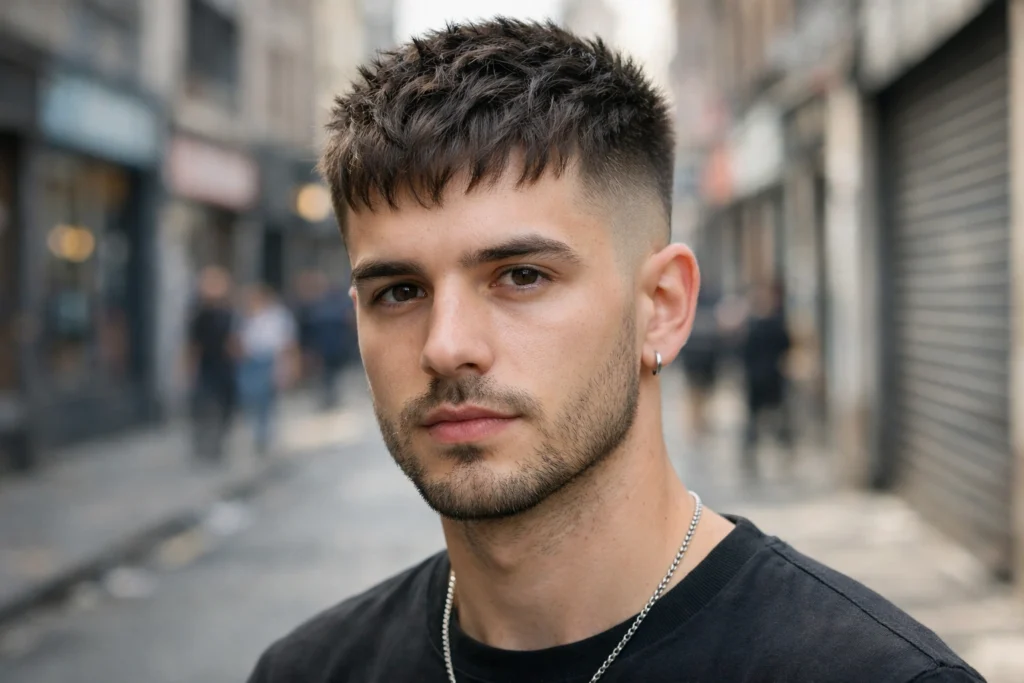
The textured crop with fade has been one of the most popular combinations in men’s grooming for several years and shows no signs of slowing down. The top is cut short with choppy, textured layers that create movement and depth, while the sides are faded cleanly to complement the structure above. It is versatile enough to wear casually or dress up for formal settings.
This style works well across most hair types and is particularly flattering on men with straight or slightly wavy hair. A small amount of texturizing paste or a light matte clay applied to dry hair is all it takes to achieve the desired finish.
Why It Endures
The textured crop with fade endures because it requires minimal product and effort while consistently producing a result that looks intentional, modern, and well-groomed.
Comb Over Fade
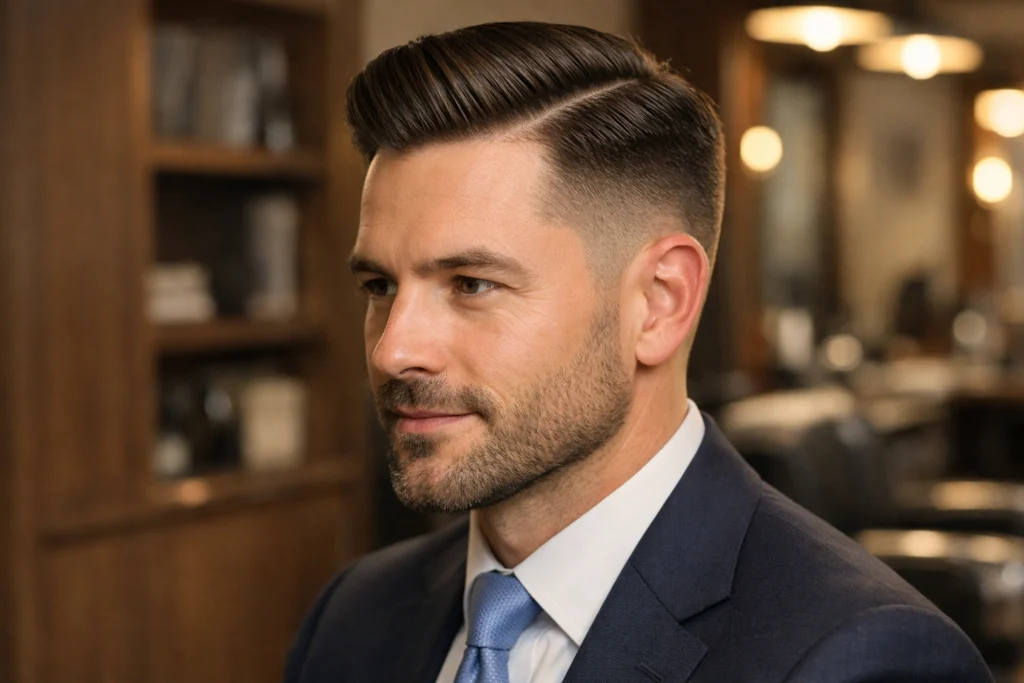
The comb over fade brings together a timeless styling technique and modern barbering precision. Hair on top is grown to a medium length and combed to one side, creating a clean part and a smooth, swept appearance. The fade on the sides frames the top beautifully and removes the heaviness that traditional comb overs sometimes carry.
This style is particularly effective for men with straight or fine hair who want a classic, professional look. It also works well in formal settings and has been a go-to choice for men in business environments who want to appear polished without resorting to an overly conservative cut. A light pomade or a medium-hold cream applied before combing gives the top a refined finish.
Age Versatility
The comb over fade is equally appropriate for younger men and mature professionals, making it one of the most age-agnostic options in the modern fade haircut repertoire.
Curly Top Fade
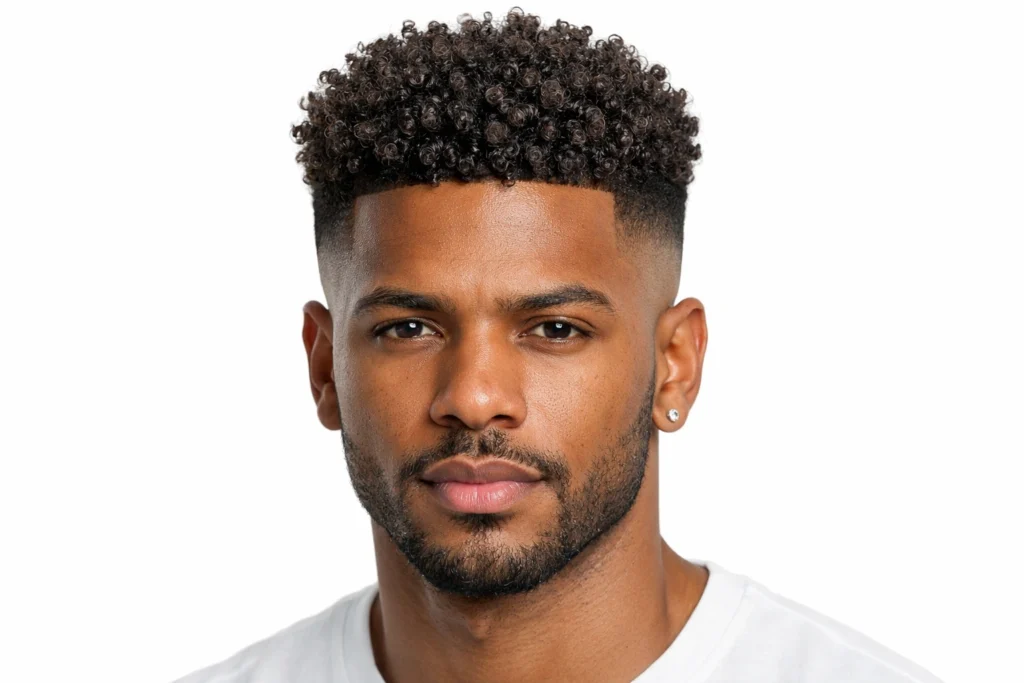
Curly-haired men have increasingly embraced the fade as a way to celebrate natural texture while maintaining a groomed, structured appearance. The curly top fade keeps the natural curls intact and defined on top while fading the sides to a clean, short finish that eliminates bulk and creates striking contrast.
Defining the curls with a good curl cream or a light mousse before the hair dries enhances the natural pattern and keeps the top looking full and lively. This style works on a range of curl types from loose waves to tighter coils and looks particularly strong when the curls are allowed to grow to two or three inches above the fade line.
Product Recommendation
A moisturizing curl cream applied to damp hair and left to air dry gives the best result, producing defined curls without crunchiness or stiffness.
Fade with Hard Part
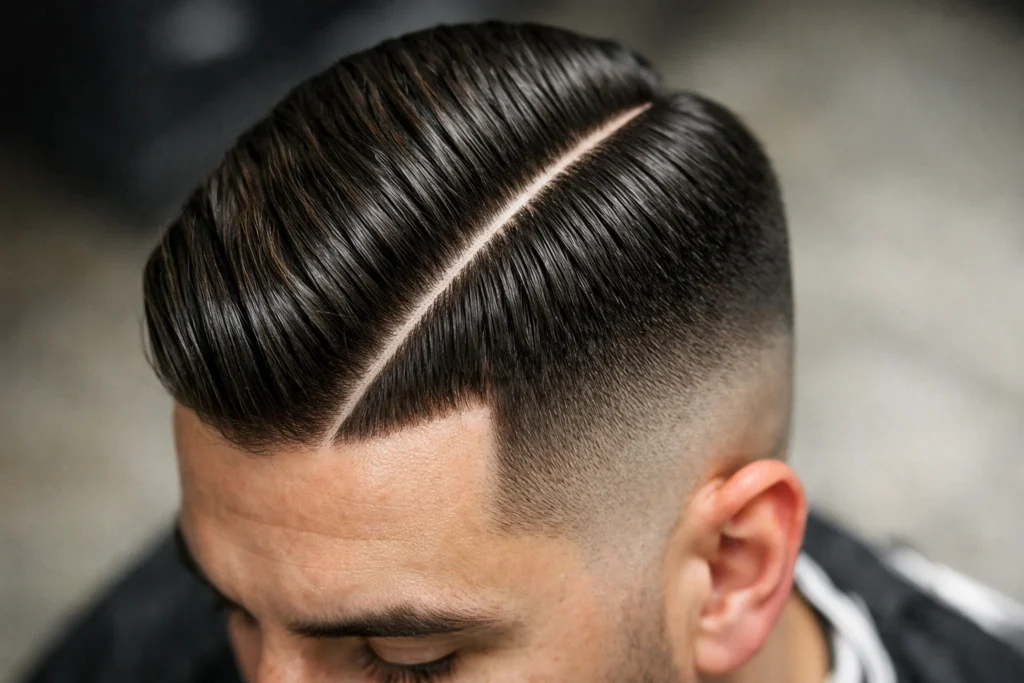
The hard part adds a precise, razor-cut line to the fade haircut, creating a sharp separation between two sections of hair that is instantly noticeable. The line is typically cut from front to back along the natural part and serves as a graphic design element that elevates the overall look. When combined with a clean fade on the sides, the hard part adds architectural precision.
This style requires both a skilled barber and regular maintenance since the shaved line grows back within days. For men who enjoy a highly structured, detail-oriented look, however, the effort is well worth the reward. The hard part works with virtually any top styling, from a comb over to a pompadour to a textured crop.
Visual Statement
Think of the hard part as a graphic element within the haircut itself. It draws the eye, communicates attention to detail, and elevates even simple styling choices.
Fade with Beard
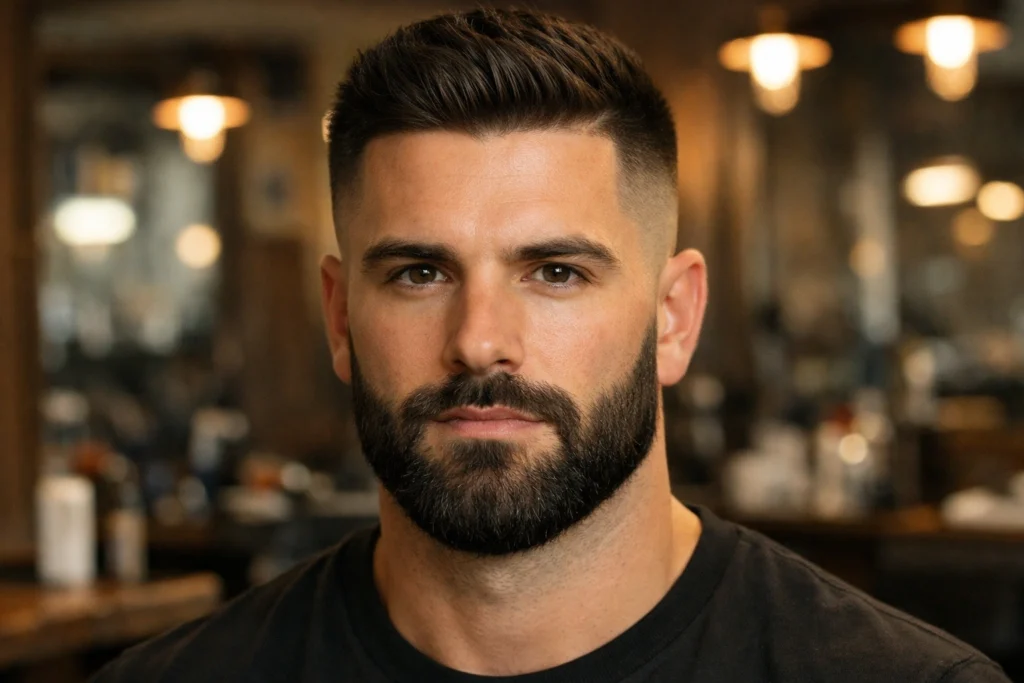
Connecting the fade seamlessly into a well-groomed beard is one of the most satisfying achievements in modern barbering. When the fade line at the sideburns tapers naturally into the beard line without a visible break, it creates a cohesive, intentional look that appears unified from every angle. This is sometimes called a shadow fade or a connected fade.
The key is communication with your barber about how low you want the fade to meet the beard and how much contrast or blending you prefer. A high skin fade meeting a full beard creates maximum contrast, while a low or mid fade blending softly into a short stubble creates a more subtle, natural effect. Both are compelling in their own right.
Grooming Harmony
A fade connected to a beard requires maintaining both elements simultaneously. Keep the beard line sharp and the fade fresh for a look that is consistently polished.
Pompadour Fade
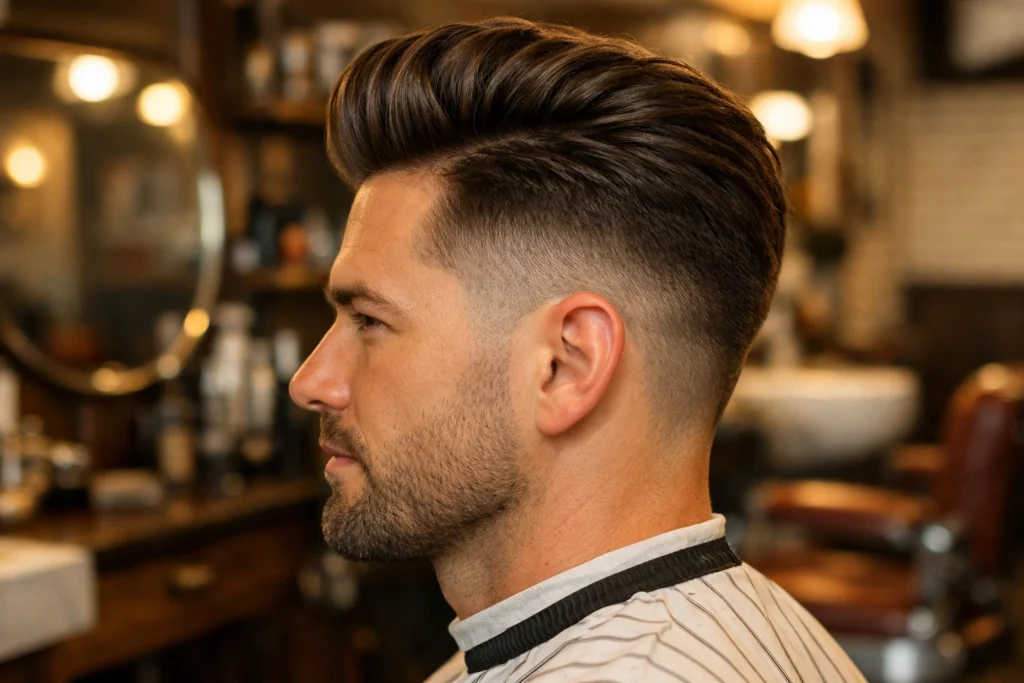
The pompadour fade takes one of the most iconic men’s hairstyles in history and updates it for contemporary sensibilities. The top is swept upward and backward into a voluminous shape, but with significantly less product stiffness than classic pompadours of previous decades. The sides are faded cleanly, removing the heaviness of traditional pompadour styling and giving the overall shape a modern, balanced silhouette.
In 2026, the pompadour fade leans toward a more relaxed, lived-in texture rather than the heavy lacquer finish associated with vintage interpretations. A medium-hold pomade or a flexible styling cream provides the necessary shape without the stiffness, letting the hair move naturally while maintaining the signature volume.
Occasion Versatility
The pompadour fade works as well at a creative office as it does at a formal dinner, making it one of the more versatile statement styles in this guide.
Quiff with Drop Fade
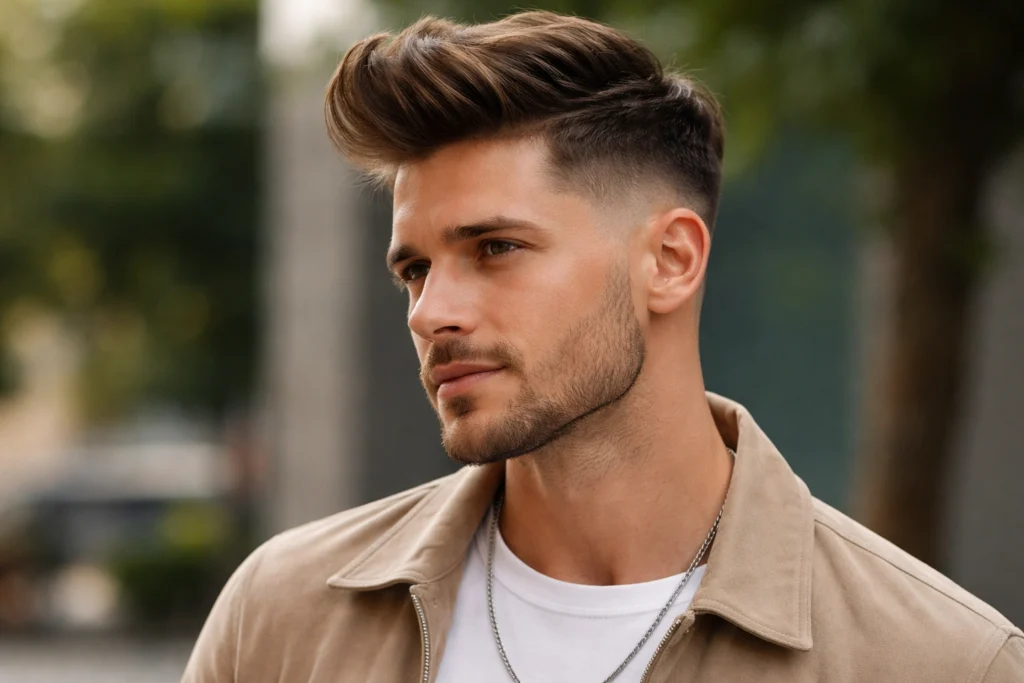
The soft quiff with drop fade combines a voluminous front section with a gently curved fade that drops lower behind the ear. The quiff in its 2026 form is softer and more natural than previous interpretations, relying on texture and movement rather than rigid product application. The drop fade adds visual interest to the profile view and enhances the overall shape.
This style works particularly well for men who want something stylish without feeling overdone or high-maintenance. The natural volume of the quiff benefits from a lightweight volumizing mousse or a sea salt spray applied to damp hair, followed by blow-drying with a round brush to build the shape.
Natural Appeal
The quiff with drop fade occupies a space between casual and polished that makes it appropriate for a remarkably wide range of occasions and environments.
Buzz Cut with Fade
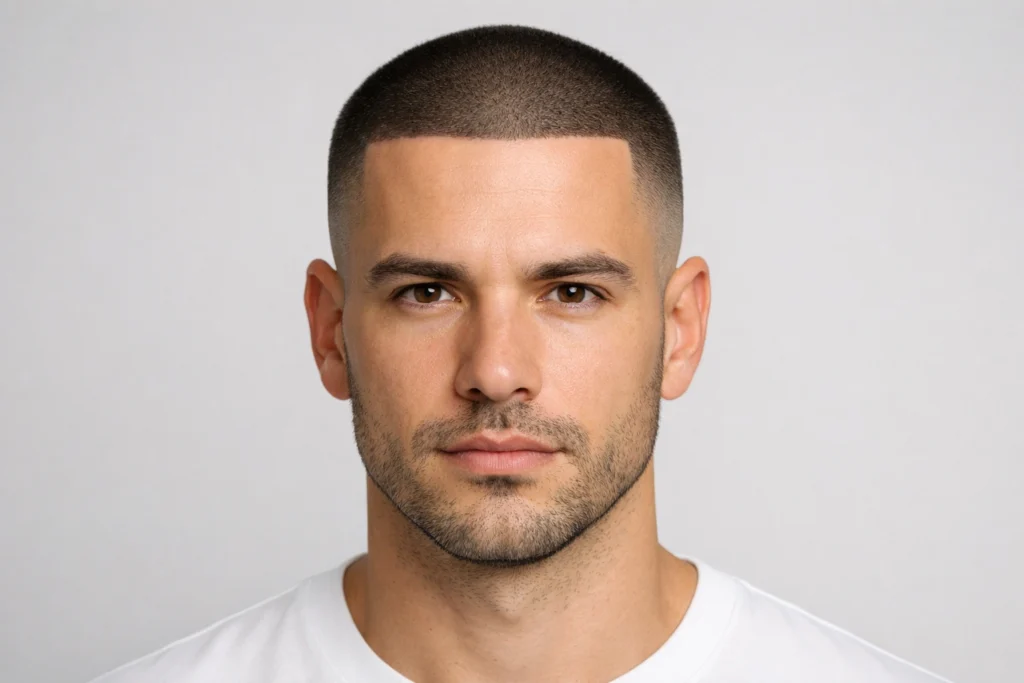
The buzz cut with fade is the ultimate expression of simplicity and sharpness. The top is cut uniformly short using clippers, typically between a number one and number three guard, while the sides are faded to create a clean transition. The addition of a precise line-up around the forehead and temples transforms a basic buzz cut into something deliberately styled and current.
This is the ideal choice for men who prefer low-maintenance grooming without sacrificing a sharp appearance. It is also effective for men managing thinning hair, as the uniformly short length minimizes the visibility of thinning areas while the fade keeps the overall look intentional and fresh.
Practicality First
Few styles are as easy to maintain as the buzz cut with fade. A quick visit to the barber every two to three weeks keeps it tight and clean with minimal effort.
Mohawk Fade
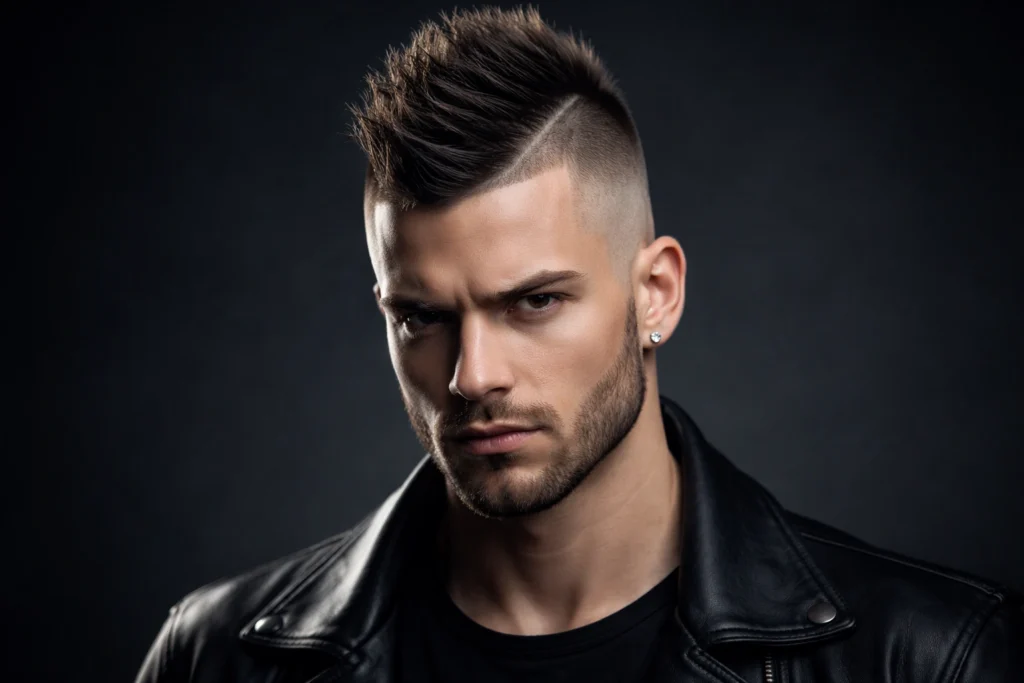
The mohawk fade preserves the central strip of longer hair that defines the classic mohawk while fading the sides to skin or near-skin, dramatically modernizing the silhouette. In 2026, the mohawk fade has moved well beyond its punk origins and now sits comfortably within mainstream men’s grooming, particularly when the central strip is kept at a moderate height and styled with texture rather than volume.
The central strip can be styled with a matte clay for a textured, casual finish or spiked upward for a more expressive look on weekends and social occasions. The fade on the sides keeps everything anchored in contemporary aesthetics regardless of how dramatically the top is styled.
Creative Range
The mohawk fade offers perhaps the widest range of styling options of any fade haircut, from a subtle textured strip to a dramatic, expressive statement.
Slick Back with High Fade
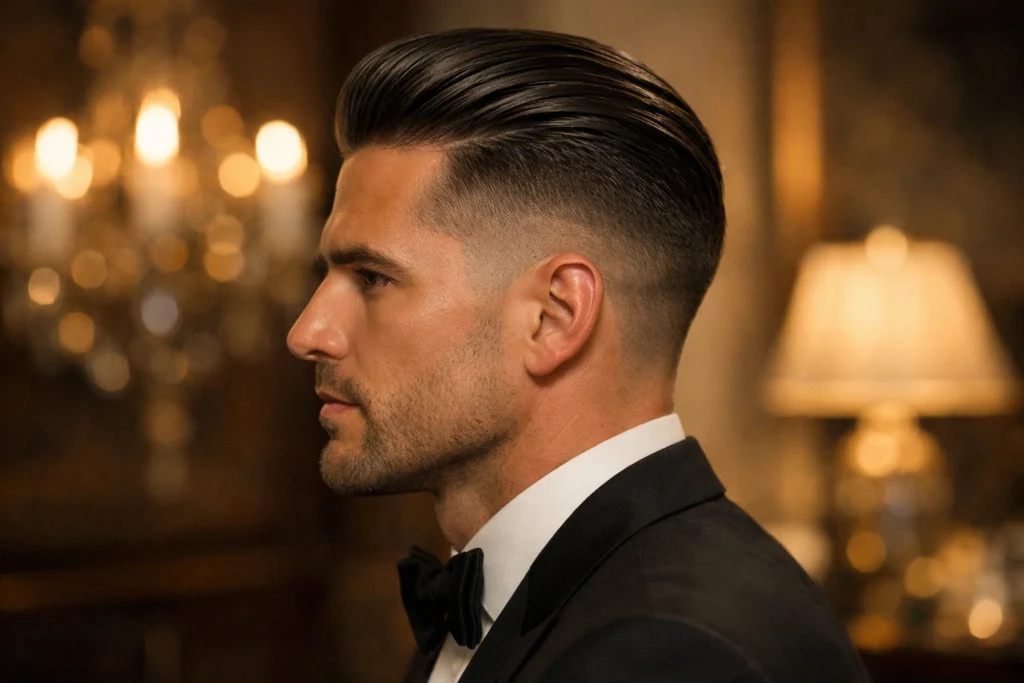
The slick back with high fade is a powerful combination that blends old-school sophistication with modern barbering precision. Hair on top is grown to at least three to four inches, combed directly backward, and held in place with a lightweight product that delivers shine and control without stiffness. The high fade on the sides removes bulk entirely and creates a sharp, high-contrast frame for the sleek top.
Unlike the traditional slick back which relied on heavy wax or greasy petroleum-based products, the 2026 version uses lightweight pomades, hair creams, or even water-based gels that deliver a polished look with natural movement. This makes the style appropriate for both professional and social settings.
Modern Execution
The key update for 2026 is the product choice. Lightweight, flexible hold products have replaced the stiff styling products of past decades, giving the slick back a natural, confident finish.
Textured Flow Fade
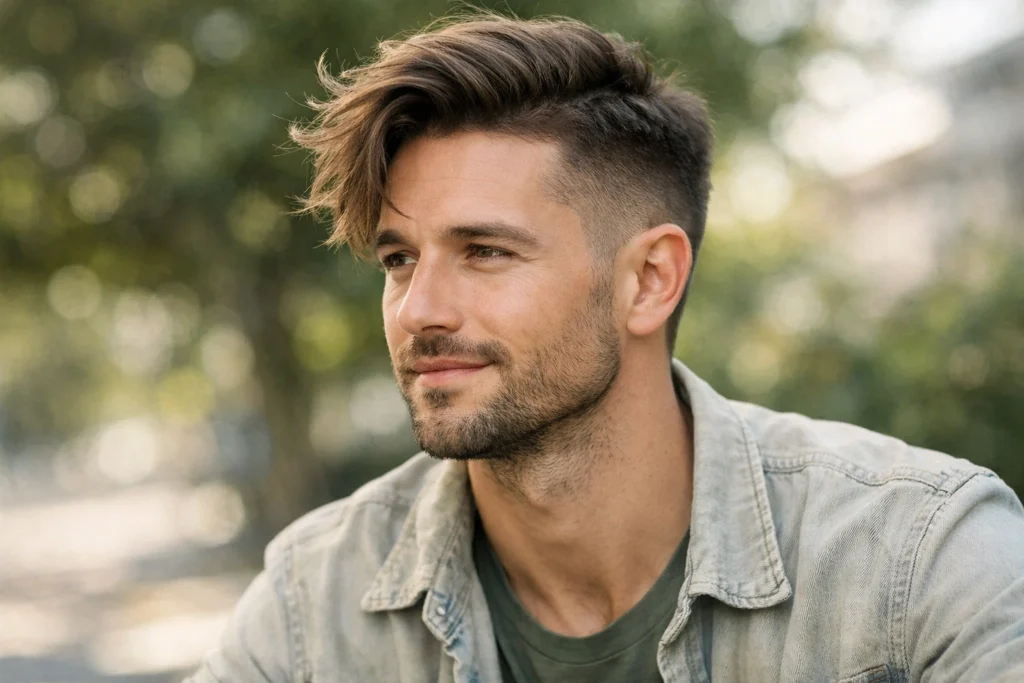
The textured flow fade rounds out this list with one of the freshest and most relaxed styles of the year. Medium-length hair on top is left slightly longer and allowed to flow naturally, creating a soft, effortless silhouette, while the sides are faded cleanly to provide contrast and structure. The top hair is not rigidly styled but rather encouraged to move freely with its natural texture.
This style works best for men with wavy or straight hair and suits those who want a look that reads as stylish without appearing overly groomed or effortful. A small amount of texturizing cream or a light sea salt spray applied before air drying is all the product needed. The textured flow fade is perfectly suited to the broader 2026 grooming philosophy of confidence, individuality, and natural expression.
The 2026 Spirit
The textured flow fade captures the defining mood of men’s grooming in 2026 better than almost any other style, balancing structure with freedom and precision with natural ease.
How to Choose the Right Fade for Your Face Shape
Selecting the right fade is not simply a matter of picking the most popular style. Your face shape plays a significant role in determining which fade will enhance your natural features rather than work against them.
Men with oval faces are in the fortunate position of being able to wear almost any fade style successfully. Round faces benefit from fades that add height on top and reduce volume at the sides, making mid and high fades with textured crops or quiffs excellent choices. Square faces can handle almost any fade but particularly suit low and mid fades with softer styling on top. Oblong or rectangular faces look best with low fades and styles that add some width rather than height.
Fade Maintenance and Care Tips
Regardless of which modern fade haircut style you choose, maintenance is the factor that separates a great-looking fade from one that has lost its impact. Most fades require a barber visit every two to three weeks to keep the blend tight and the line-up sharp. Skin fades and high fades need attention at the shorter end of that range, while low fades and taper fades can stretch closer to four weeks.
Between barber visits, keep the scalp clean and moisturized, especially where the skin is exposed at the fade line. Use the right product for your top styling, matching hold strength to hair type and desired finish. Lightweight products generally suit textured, natural styles, while stronger holds are better for structured shapes like pompadours and slick backs.
Conclusion
The 18 modern fade haircut styles covered in this guide represent the full spectrum of what the fade can be in 2026. From the understated refinement of the low taper fade to the bold drama of the burst fade or the mohawk fade, there is a version of this fundamental barbering technique that suits every personality, lifestyle, and aesthetic preference. The common thread running through all of them is the way a precise, well-executed fade elevates any hairstyle from ordinary to genuinely impressive.
The best approach is to consider your face shape, hair type, and daily grooming routine, then bring this guide to your barber for a conversation. A skilled barber can adapt any of these styles to your specific features and make recommendations based on what they see. In 2026, the fade is not just a haircut technique. It is a commitment to looking sharp, intentional, and confident every single day.
You may also like this post: 14 Fashion-Forward Hairstyles for Asian Men in 2026
Frequently Asked Questions
What is the most popular fade haircut style for men in 2026?
The mid fade and textured crop combination continues to be the most widely requested fade style in barbershops, valued for its versatility across face shapes, hair types, and occasions.
How often should I get a fade haircut touched up?
Most fade haircuts need a touch-up every two to three weeks. High and skin fades need attention more frequently, while low fades and taper fades can last closer to four weeks before they begin to look grown out.
Which fade haircut works best for curly hair?
The curly top fade is specifically designed for curly-haired men and works beautifully on curl types from loose waves to tight coils. The burst fade and drop fade are also excellent choices for natural texture.
Can a fade haircut work for thinning hair?
Yes. A buzz cut with fade or a low skin fade are both effective options for men with thinning hair because the uniformly short or close-cropped styling minimizes the appearance of thinning areas while maintaining a polished look.
What products work best with a fade haircut?
Product choice depends on your top style. Matte clays and texturizing pastes suit casual, textured styles. Lightweight pomades and hair creams are ideal for slick backs and comb overs. Sea salt sprays work well with natural, flowing styles like the textured flow fade.
1 Comment