Introduction
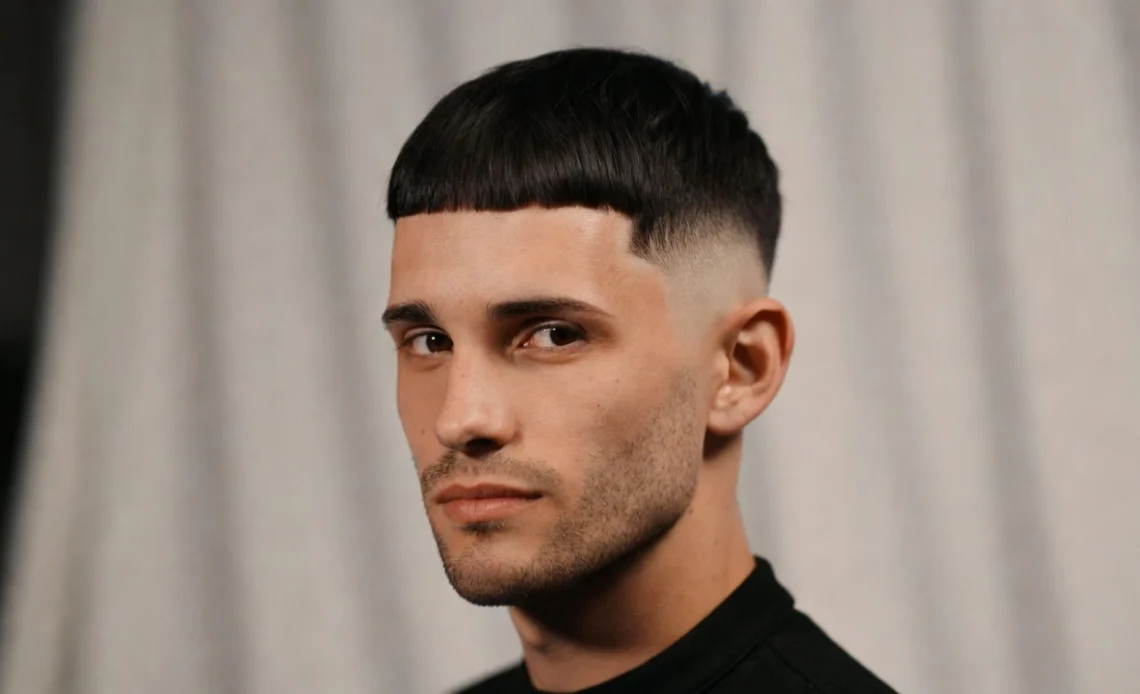
Few haircuts in the modern barbershop conversation have earned the kind of universal praise that the French crop consistently receives. It is clean without being boring, structured without being rigid, and low-maintenance without looking like an afterthought. The French crop hairstyle for men sits at the intersection of classic grooming tradition and contemporary style sensibility, which is precisely why barbers around the world field requests for it every single day.
Originally rooted in early twentieth century French working-class culture and later shaped by military grooming conventions, the French crop found its modern identity through the Britpop scene of the 1990s and has never really left. Television and film brought it back to a new generation, most notably through characters like Tommy Shelby in Peaky Blinders, and from that point the cut evolved rapidly into the diverse, textured, fade-influenced family of styles that defines it in 2025.
The defining characteristics of the French crop are a short to medium-length top, a blunt or textured fringe that sits at or just above the eyebrow, and shorter sides that can be tapered, faded, or disconnected entirely. Within those parameters, the variation is remarkable. This guide covers fifteen of the most compelling modern interpretations of the French crop hairstyles for men, with enough depth on each one to help you understand not just what the look involves but whether it is the right fit for your hair type, face shape, and lifestyle.
The Classic French Crop

The classic French crop is the reference point from which every other variation in this guide departs. It features a short top section, typically one to one and a half inches in length, styled forward into a blunt fringe that falls horizontally across the forehead. The sides and back are kept shorter through either scissors or clippers, and the overall silhouette is clean, structured, and immediately legible as a well-executed haircut.
This version suits men who want a reliable, professional look that requires minimal product and even less styling time. It works on straight and lightly wavy hair and is one of the most broadly flattering cuts available across different face shapes. Men with square, oval, and heart-shaped faces in particular find that the horizontal line of the fringe and the shorter sides create a balanced, proportional result that enhances rather than competes with their natural features.
Styling Approach
A small amount of light-hold molding paste or a natural-finish wax applied to dry hair and combed forward is all this variation needs. The fringe should sit flat and slightly forward rather than being pushed upward or to the side. Daily styling takes under two minutes, which is part of what makes the classic French crop such an enduring choice for busy men.
French Crop Fade
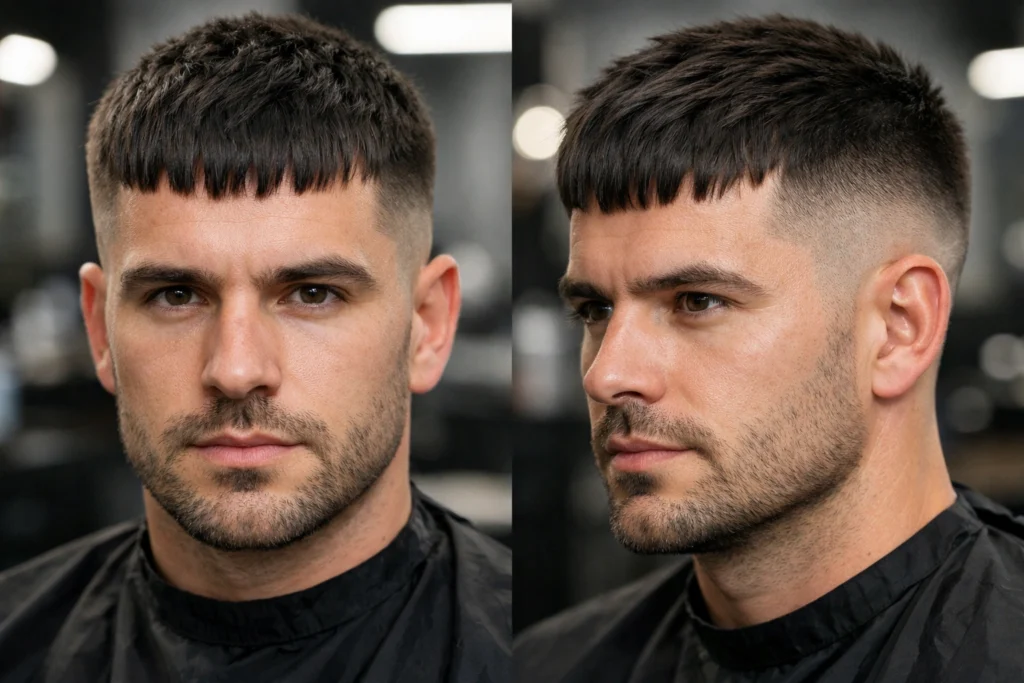
The French crop fade takes the classic blueprint and elevates it with a graduated fade on the sides and back that creates a modern, high-contrast silhouette. The fade can be positioned low, mid, or high on the head depending on the level of contrast and the overall aesthetic the wearer wants to achieve.
A low fade is the most conservative and professional-friendly option, gradating the hair from just above the ear downward. A mid fade hits at roughly ear level and is the most widely requested variation, offering a strong contrast without crossing into streetwear territory. A high fade starts above the temples and produces the boldest, most contemporary result. Paired with the forward-styled blunt fringe, all three fade positions create a look that is sharp, modern, and unmistakably fashion-forward.
Product Recommendations
A texturizing clay or matte paste applied to the top section and styled forward with fingers or a comb produces the separation and definition that makes the crop-with-fade combination so visually satisfying. Avoid glossy or wet-look products, as they tend to undermine the clean, matte finish that suits this variation best.
Textured French Crop

The textured French crop introduces visible movement and deliberate dimension into the otherwise flat-lying top section. Instead of a uniform blunt fringe, this version features choppy, layered cutting throughout the top that creates separation between hair sections and gives the entire style a lived-in, dynamic quality.
This is one of the most popular everyday variations because it reads as both styled and effortless simultaneously. Men with naturally thick or slightly wavy hair find that this cut works with their texture rather than against it, requiring less effort to achieve a result that looks intentional. Thinner hair also benefits from textured cutting, as the layering technique creates the visual impression of more volume and body than a blunt cut would.
Short French Crop
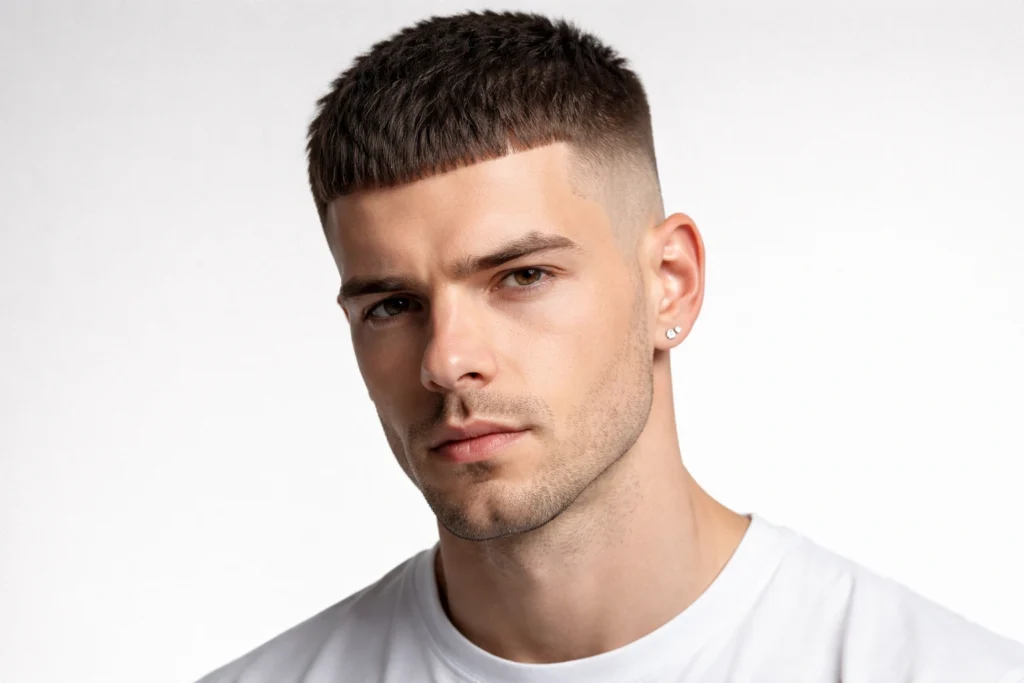
The short French crop condenses the essential DNA of the style into its most compact, low-profile form. The top section is cut to under an inch in length, the fringe is kept short and sits high on the forehead, and the sides are clipped short to match the reduced overall length. The result is a neat, almost utilitarian look that has a clean energy well-suited to warm climates, active lifestyles, and professional environments that call for something polished but unfussy.
This version is a strong option for men with fine or thinning hair, as the reduced length throughout prevents the scalp from showing through in the way that longer, flat-lying styles can allow. A high skin fade on the sides is a popular pairing for the short French crop, as the contrast between the very short top and the faded sides gives the cut definition despite its overall brevity.
Long French Crop

At the longer end of the French crop spectrum, the long version keeps two or more inches on top while maintaining the forward-styled fringe and shorter sides that define the family. The additional length on top allows for more styling flexibility, including the option to part the fringe slightly to one side, incorporate a subtle quiff lift, or simply let the length drape naturally forward for a more relaxed, flowing effect.
Men with naturally thick, straight, or wavy hair are best positioned to carry the long French crop without it looking flat or shapeless. The weight of longer hair requires either a strong hold product or a quick blast with a blow dryer to maintain the forward-facing direction of the fringe. The long version suits creative industry professionals, artistic environments, and any context where a distinctive, expressive hairstyle is an asset.
French Crop with Skin Fade
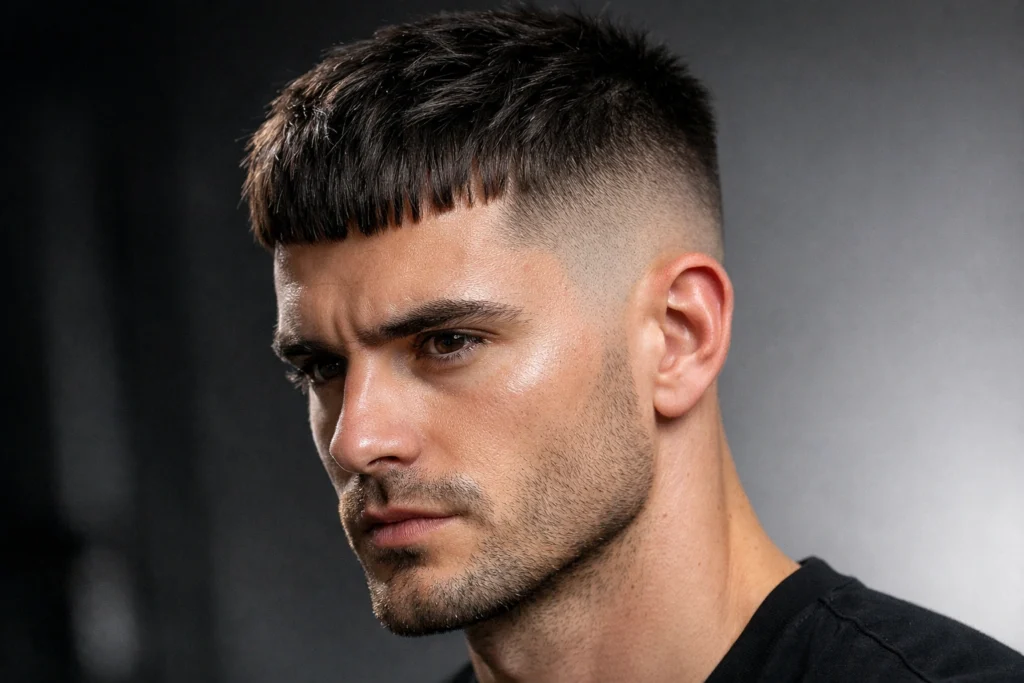
The skin fade version of the French crop produces the most dramatic contrast available within this style family. The sides and back are tapered all the way down to bare skin, creating a stark visual boundary between the clean-shaved lower head and the fuller, textured top. When paired with the blunt fringe of the French crop, the skin fade creates a look that is unapologetically bold and distinctly modern.
This variation requires more frequent barbershop visits than most other French crop styles, as skin fades lose their definition within one to two weeks as the hair grows back. Men who commit to the maintenance schedule will find that the skin fade French crop consistently commands attention and photographs with exceptional clarity. Thick hair on top is an advantage here, providing the visual weight needed to balance the dramatic absence of hair on the sides.
French Crop with Taper

Where the skin fade produces extreme contrast, the taper fade version of the French crop takes a more gradual and conservative approach. The sides and back are shortened through a gentle graduation rather than an abrupt fade, producing a softer transition from the longer top to the shorter sides. The overall effect is a more understated, versatile look that sits comfortably in traditional professional settings alongside creative and social environments.
The taper is particularly well-suited to men who want the clean proportions of the French crop without the high-maintenance demands of a skin or high fade. It works across every hair type and adds a refinement to the overall silhouette without introducing the bold graphical contrast that more aggressive fades require.
Disconnected French Crop
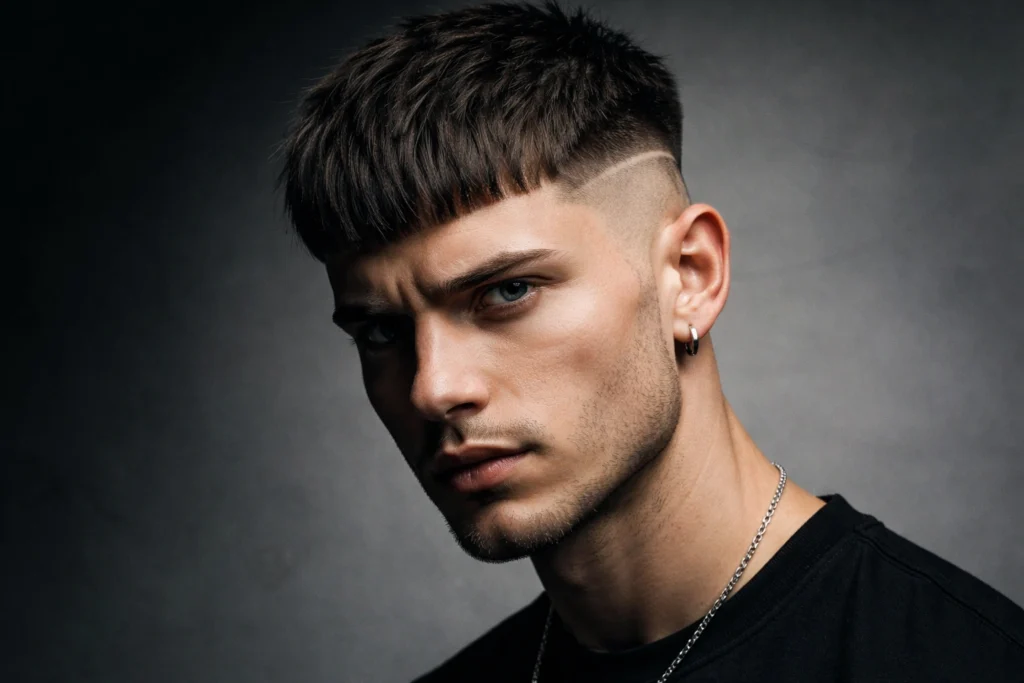
The disconnected French crop introduces one of the most striking structural elements available in modern barbering: a visible, unblended line that separates the longer hair on top from the dramatically shorter sides. Rather than graduating smoothly from one length to another, the disconnected version creates a hard line that is often shaved or clipped to near-skin level immediately below the longer top section.
This variation suits men who want a high-impact, fashion-forward result that reads as genuinely distinctive. It has strong roots in contemporary urban barbering culture and works across all hair types, from straight to curly, as the contrast between the two sections is the defining visual element regardless of texture. The disconnected French crop is not the right choice for conservative professional environments but excels in creative industries and social settings.
French Crop Quiff

The French crop quiff hybridizes two complementary styles by combining the forward-styled fringe and shorter sides of the French crop with the lifted frontal volume of the quiff. The front section of the hair is blown or combed upward and slightly forward before being directed toward the forehead, creating a result that has more height and visual energy than the flat-lying classic version.
This variation adds useful elongation for men with rounder face shapes and introduces a sense of occasion and polish that suits smart-casual and formal events well. A medium to firm hold pomade with a light natural shine suits this combination, providing the hold needed to maintain the lifted front while keeping the fringe in its forward-facing direction.
French Crop for Curly Hair
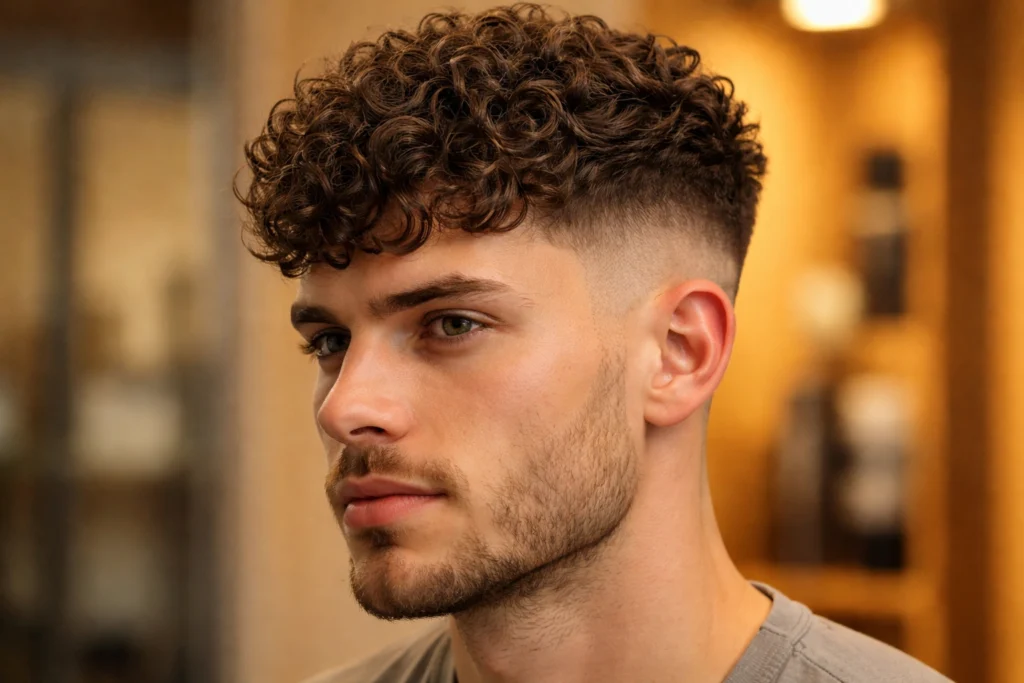
Men with naturally curly hair bring a uniquely expressive quality to the French crop silhouette. Rather than lying flat and uniform, the curly version of the fringe sits with natural volume and definition, creating a textured, three-dimensional front that has visual richness no straight-hair version can easily replicate. The sides are typically faded or tapered to provide the structural contrast that anchors the curly top.
The styling approach for curly French crop hair differs from straight or wavy versions. A curl-defining cream applied to damp hair before air-drying or diffusing sets the curl pattern and reduces frizz. The fringe is guided forward by hand rather than with a comb, preserving the curl structure rather than disrupting it. The result is a look with personality and movement that suits confident, expressive men who want their hair to reflect their natural texture rather than suppress it.
French Crop for Wavy Hair

Wavy hair occupies a particularly favorable position when it comes to the French crop. The natural movement in wavy hair gives the forward-styled fringe a soft, dimensional quality that neither perfectly straight nor strongly curly hair can easily replicate. The wave pattern creates organic depth in the fringe that looks refined without appearing overly sculpted.
The wavy French crop is often best achieved by working with the natural movement of the hair rather than trying to straighten or over-define it. A light sea salt spray or curl-enhancing cream applied to damp hair before air-drying encourages the wave to sit in a forward-facing direction naturally. The result is relaxed, effortless, and well-suited to the kind of everyday look that requires minimal morning investment.
French Crop with Spiky Top
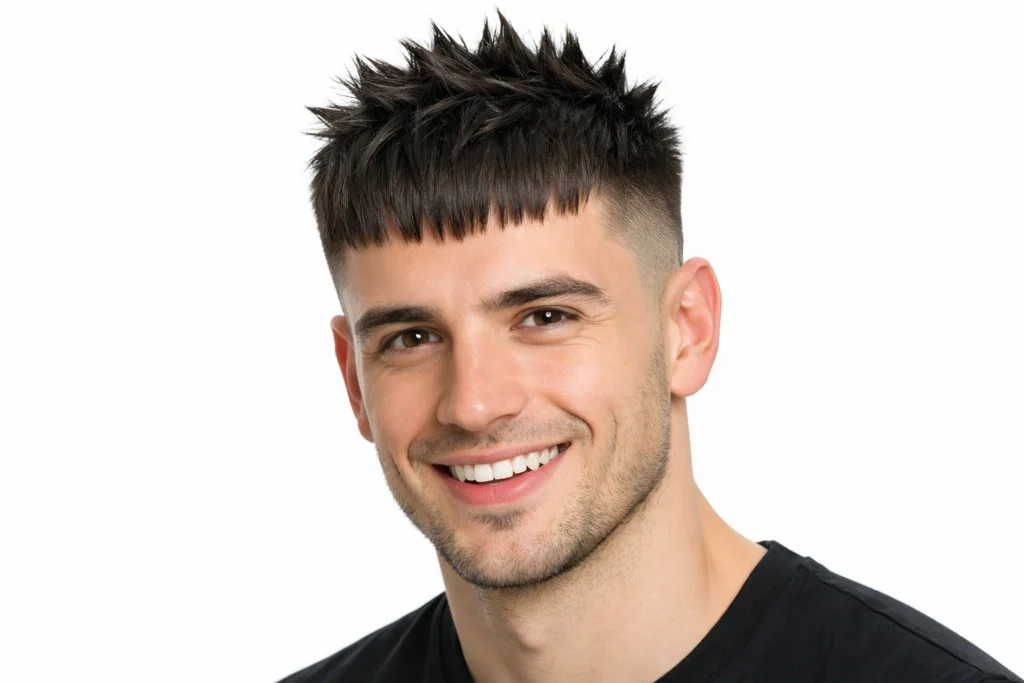
The spiky top version of the French crop introduces playful energy and bold visual texture into the otherwise horizontal-dominant silhouette of the classic cut. Instead of lying flat and forward, the top section is styled upward into defined, separated spikes using a strong-hold product that maintains the elevated shape throughout the day.
This interpretation retains the blunt fringe of the French crop at the front while the crown section rises dramatically above it, creating a two-zone effect that is both structured and expressive. A molding paste or strong gel applied to dry hair and worked upward with fingers produces the best result. This variation is popular among younger men and those in creative or entertainment fields who want a hairstyle that communicates energy and individuality.
French Crop with Beard
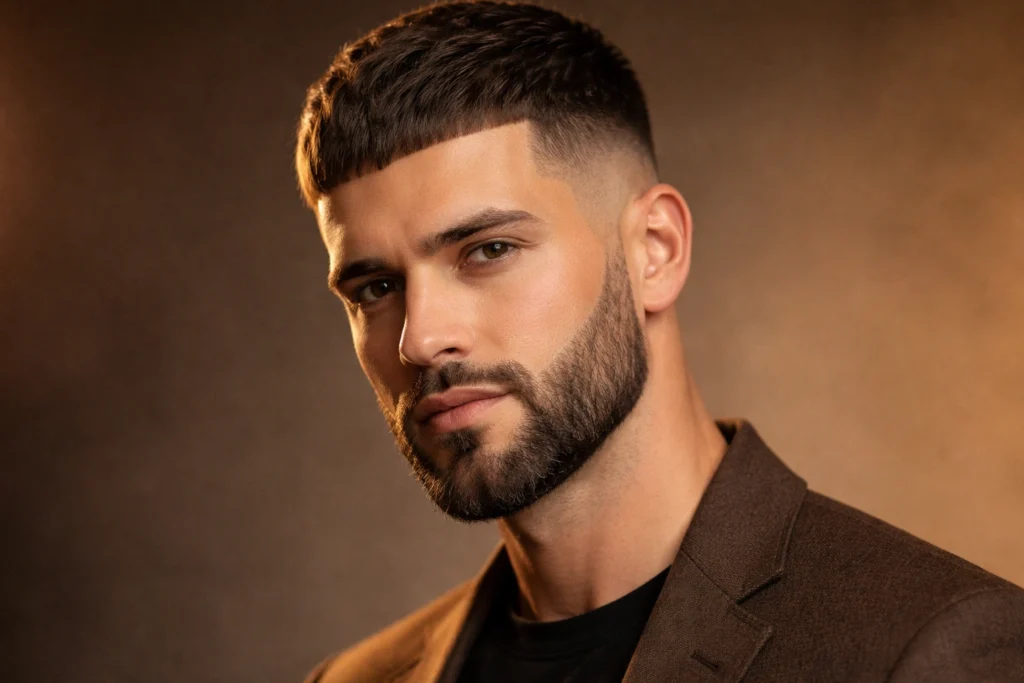
Pairing a French crop with a well-maintained beard is one of the most cohesive and masculine grooming combinations available to men today. The clean lines of the French crop, particularly in fade or taper variations, complement the structured edges of a shaped beard in a way that creates a complete, considered grooming statement rather than a simple haircut.
The relationship between the fade and the beard is particularly important. When the fade on the sides transitions smoothly into the beard through a beard fade or temple taper, the face is framed continuously from hairline to jawline in a way that is deeply harmonious. A classic French crop paired with a short to medium beard suits formal and professional occasions as well as social gatherings, making it one of the most event-versatile combinations in this guide.
Afro French Crop
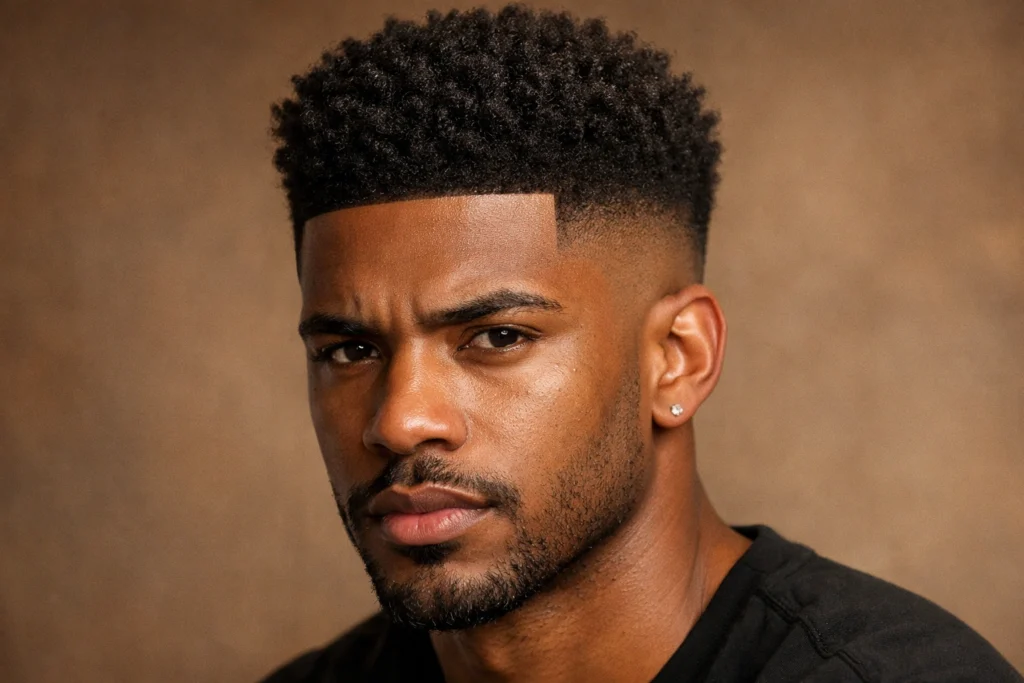
The Afro French crop applies the structural principles of the French crop to tighter, coarser Afro-textured hair, producing a result that is sharp, clean, and deeply expressive of natural texture. The top section retains its natural volume and curl pattern, while the sides are faded or tapered to create the contrast that gives the style its definition. The fringe line is typically shaped with a razor or an unguarded clipper blade to produce a crisp, precise edge that frames the face cleanly.
This version requires a barber with genuine skill in working with Afro-textured hair, particularly for the shape-up element that defines the front hairline. The result, when executed well, is a look that celebrates natural texture while maintaining the clean structural clarity that makes the French crop such an enduring choice. Regular moisture and conditioning are important for keeping the top section healthy and well-defined.
French Crop Blowout
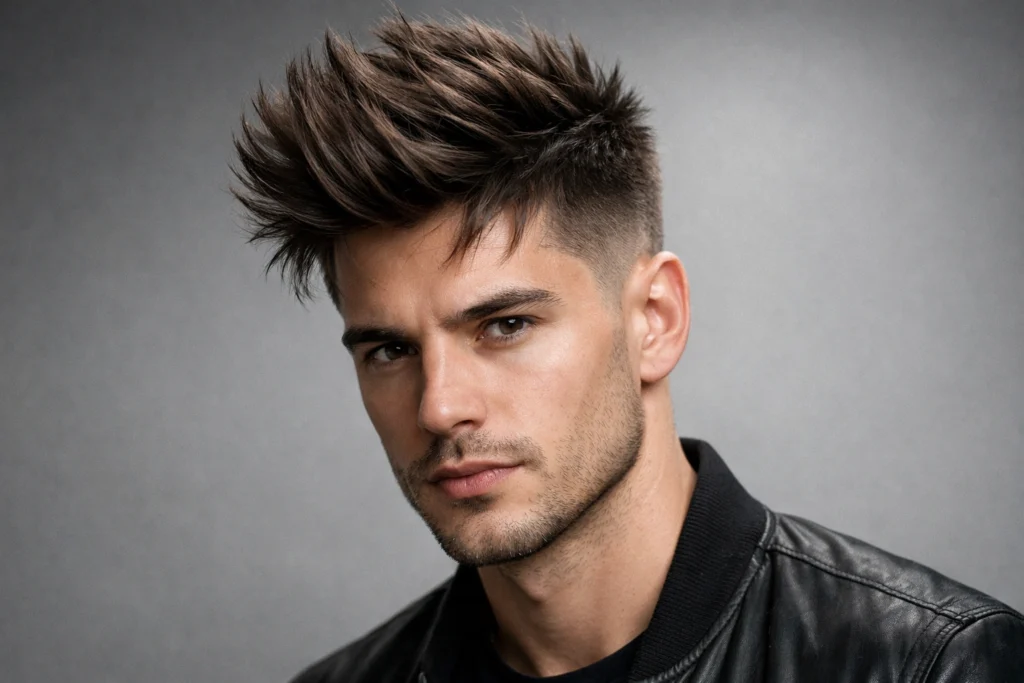
The French crop blowout introduces significant volume into the top section by blow-drying the hair upward and forward simultaneously, creating an airy, elevated result that has more height and presence than the flat-lying versions. The fringe retains its forward direction but lifts slightly off the forehead rather than sitting flat against it, and the overall top section appears fuller and more voluminous than its actual length would suggest.
This variation is particularly effective for men with fine hair who want the appearance of thickness without resorting to product-heavy approaches. A volumizing mousse applied to damp hair before blow-drying builds body and hold from the inside out, allowing the blowout to maintain its volume throughout the day. The French crop blowout suits creative industries, social occasions, and any event where a more expressive, high-impact interpretation of the crop is called for.
Conclusion
The French crop hairstyles for men covered in this guide demonstrate the extraordinary range of expression available within a single, well-defined haircut family. From the understated elegance of the classic taper version to the bold graphic impact of the disconnected or skin fade interpretation, there is a French crop for every face shape, hair type, occasion, and personal aesthetic.
The style’s lasting appeal comes down to a combination of practicality and visual intelligence. It is a cut that requires honest engagement with your own hair type and face shape to get right, but one that rewards that engagement with a result that looks consistently polished with minimal daily effort. Whether you are walking into a boardroom, a creative studio, a formal event, or a casual weekend gathering, a well-executed French crop will serve you with equal reliability in every context.
Bring this guide to your next barbershop appointment, identify the two or three variations that resonate most strongly with you, and work with your barber to determine which interpretation best suits your specific anatomy and lifestyle. The French crop, in the right hands and on the right person, is one of the most satisfying haircuts a man can wear.
You may also like this post: 15 Fashion-Forward Comb Over Haircuts for Any Event
Frequently Asked Questions
What face shapes suit French crop hairstyles for men?
A: The French crop is one of the most face-shape-friendly haircuts available. Oval faces suit every variation without restriction. Square faces benefit from the softening effect of the textured fringe. Round faces gain elongation from versions with more volume on top, such as the quiff or blowout variations. Heart-shaped faces are balanced by the width the fringe introduces across the forehead. Men with longer or narrower faces may want to avoid versions with excessive height on top and instead opt for flatter, shorter crop styles.
How often does a French crop need to be trimmed?
A: Most French crop styles benefit from a trim every three to four weeks to maintain the proportions between the top section and the sides. Skin fade and disconnected versions may need refreshing every two to three weeks, as these elements lose their definition faster than tapered or scissor-cut sides. The fringe in particular grows quickly and can start to obscure the eyes or lose its clean horizontal line after three to four weeks without attention.
What is the difference between a French crop and a Caesar cut?
A: The two styles are closely related and are often confused, but the distinction lies primarily in the fringe length and the side treatment. The Caesar cut features a shorter fringe, typically trimmed to lie uniformly across a shorter overall top section, and the sides are generally cut rather than faded. The French crop tends to have a slightly longer, more forward-falling fringe and almost always incorporates a fade or taper on the sides, giving it a sharper and more contemporary appearance than the Caesar.
What products work best for styling a French crop?
A: Product choice should match the variation and finish you are going for. Matte texturizing clay or paste suits casual and textured versions. A light natural-finish wax works well for the classic and taper variations. Strong-hold gel or molding paste is needed for the spiky top and blowout versions. Curl-defining cream suits the curly and wavy interpretations. As a general principle, lighter and more matte finishes suit the French crop better than heavy or shiny products, which can weigh the fringe down and undermine the clean forward-lying shape that defines the cut.
Can the French crop work for men with thinning or fine hair?
A: Yes, and it is in fact one of the better choices for men managing thinning or fine hair. The short French crop and the blowout variation both work particularly well for this concern. Textured cutting throughout the top creates the visual impression of more volume and density. Matte products add further thickness to the appearance of the fringe without weighing it down. Keeping the sides short through a fade or taper reduces the visual emphasis on any thinning areas and keeps the attention focused on the structured, textured top section.
1 Comment